
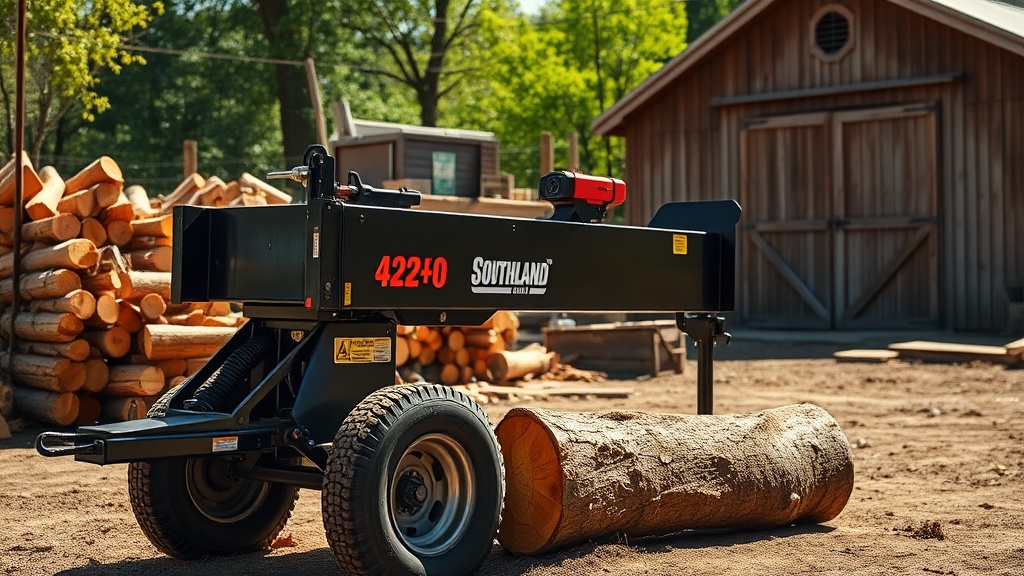
Why Does the Southland 22-Ton Splitter Need a Ram Speed Upgrade?
The Southland 22-Ton log splitter is a reliable workhorse for splitting firewood, but many owners find that the factory ram speed—typically around 2.5 to 3.5 inches per second on the forward stroke—can feel sluggish when processing large piles. Over time, component wear, cold hydraulic fluid, or a starved pump can further reduce cycle times, turning a day’s work into an afternoon-long chore. Upgrading ram speed isn’t about making the splitter unsafe; it’s about restoring or enhancing the machine’s natural efficiency, reducing operator fatigue, and increasing split volume per hour. This guide focuses on practical, maintenance-driven modifications that improve speed without compromising the 22-ton splitting force, addressing common bottlenecks like pump flow, valve response, and fluid viscosity. Before diving into upgrades, ensure your splitter is in good overall condition by performing a hydraulic fluid level check and top-up guide as a baseline.
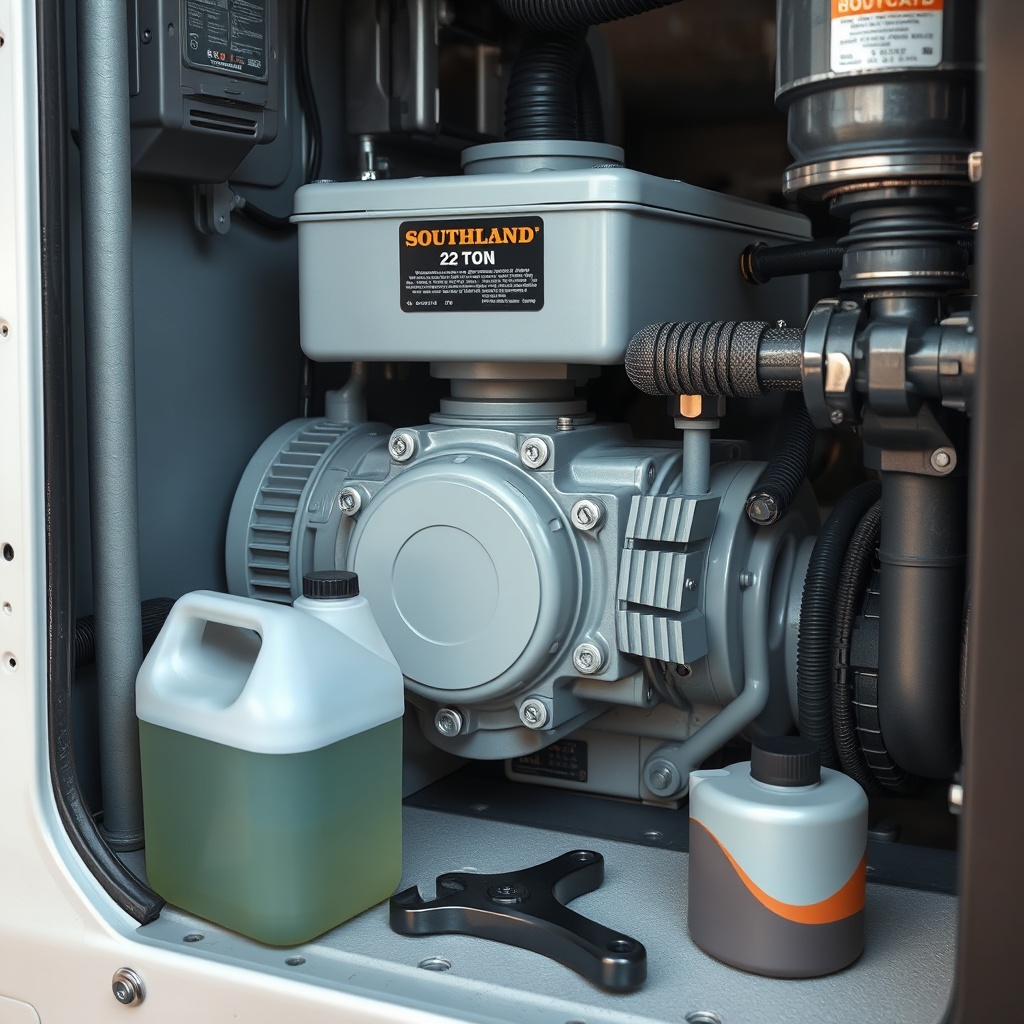
How Does Hydraulic Fluid Viscosity Impact Ram Speed?
Hydraulic fluid is the lifeblood of the splitter’s system. Using the wrong oil weight can drastically reduce ram speed, especially in cooler temperatures. The Southland 22-Ton typically calls for ISO 32 or ISO 46 hydraulic oil, depending on ambient temperature. Thicker oil (like ISO 68) in cold weather creates internal resistance, slowing the pump’s ability to move fluid through the valve and cylinder. Conversely, too-thin oil (ISO 22) can lead to increased internal leakage and reduced pressure. For faster cycle times, check the manufacturer’s fluid recommendations and switch to a lower-viscosity oil during warmer months if you’re currently using heavy-weight fluid. Always refer to the hydraulic oil types and compatibility guide to avoid damaging seals or pumps. A simple fluid change from ISO 46 to ISO 32 in summer can yield a 0.5–1.0 inch-per-second speed increase on the forward stroke, translating to roughly 15-20% faster splitting.
What Is the Effect of the Pump’s Flow Rate on Ram Speed?
The pump’s displacement—measured in gallons per minute (GPM)—directly determines how fast the ram moves. The Southland 22-Ton usually uses a 2-stage hydraulic pump with a high-flow, low-pressure stage and a low-flow, high-pressure stage. Over time, pump wear reduces flow, especially if the fluid is contaminated or the pump’s internal clearances have opened up. Before considering a pump replacement, perform a simple flow test: time the ram’s forward stroke without a log load, and compare to the factory spec (often around 3.0–4.0 inches per second in high-flow mode). If speed is significantly lower, a worn pump might be the culprit. Upgrading to a newer pump with the same displacement rating or slightly higher GPM can restore or improve speed. For a detailed step-by-step replacement procedure, see the DIY hydraulic pump replacement guide. Keep in mind that raising pump flow beyond 15% may require valve adjustments to prevent cavitation or overheating.
Can Adjusting the Hydraulic Pressure Increase Ram Speed?
There’s a common misconception that raising system pressure will directly speed up the ram. In reality, pressure affects splitting force, not speed—unless the relief valve is set too low, causing it to bypass fluid during each cycle. If the relief valve opens prematurely due to a misadjusted or weak spring, it steals flow from the cylinder, slowing the ram. To check, use a pressure gauge (0–3000 psi) and verify the system pressure against the manufacturer’s spec (typically 2500–2750 psi for a 22-ton splitter). If the pressure is below spec, adjusting the relief valve can restore proper pump-to-cylinder flow, indirectly returning speed to normal. However, do not exceed the rated psi, as this risks damaging the cylinder or pump. For a safe procedure, follow the hydraulic pressure adjustment guide. A correctly set relief valve ensures that no fluid is wasted, maximizing the pump’s efficiency.
What Throttle or Engine RPM Settings Improve Ram Speed?
The gas engine’s RPM directly drives the pump’s output. Many owners run the engine at idle or low throttle to reduce noise, but this starves the pump of flow. For the Southland 22-Ton, always operate at the engine’s recommended full throttle setting (usually 3600 RPM under load) during splitting. Check the engine manual for the exact governor setting. If the engine bogs down under load, it may need a carburetor adjustment or air filter cleaning. A simple tune-up—new spark plug, clean air filter, and quality fuel—can restore full RPM and increase hydraulic flow by up to 10-15%. Use a tachometer to verify idle and full-throttle RPM. Never run the splitter at partial throttle expecting smooth operation; it leads to slower cycles and potential pump damage from incomplete pump staging.
How Can the Control Valve and Return Lines Be Optimized?
The control valve directs fluid to the cylinder and back to the tank. A sticky spool or weak centering spring can cause delays in cycle transitions, making the ram seem slower. Lubricate the valve spool with a light hydraulic oil or spray lubricant annually. Also inspect return lines: kinked or collapsed hoses restrict return flow, slowing the ram’s retreat and increasing the overall cycle time. Check all hoses for abrasion, twisting, or blockages, and replace any that show signs of internal collapse (soft spots when squeezed). Upgrading to a larger diameter return hose (e.g., from 1/2″ to 5/8″ ID) can reduce back pressure and speed up the cycle by approximately 10-15%. Ensure all fittings are tight to avoid air ingestion, which aerates the oil and reduces pump efficiency.
| Modification | Average Speed Increase | Cost (USD) | Difficulty |
|---|---|---|---|
| Switch to thinner fluid (ISO 32 vs ISO 46) | 0.5–1.0 in/s | $15–$30 | Easy |
| Increase engine RPM to full throttle | 0.3–0.8 in/s | $0 | Easy |
| Clean or replace hydraulic filter | 0.2–0.5 in/s | $10–$20 | Easy |
| Adjust relief valve to spec | 0.5–1.0 in/s | $0 (if gauge owned) | Medium |
| Replace worn pump (same GPM) | 1.0–2.0 in/s | $80–$150 | High |
| Optimize return line diameter | 0.3–0.7 in/s | $30–$60 | Medium |
What Owners Say About Ram Speed Modifications
Experienced Southland 22-Ton owners report that the most impactful single upgrade is swapping to a lower-viscosity hydraulic fluid in warm weather, with one user noting a 20% reduction in cycle time on a summer day. Another owner replaced a worn pump after noticing the ram slowing by 40% over three seasons; the new pump restored original speed and extended splitting capacity by two cords per day. Many emphasize that proper engine maintenance is often overlooked but yields immediate results. One cautionary tale involves an owner who increased pressure beyond spec and blew a cylinder seal, costing $200 in repairs. These real-world anecdotes underscore the value of methodical, maintenance-first upgrades rather than aggressive modifications.
Frequently Asked Questions
1. What is the stock ram speed of the Southland 22-Ton splitter?
The factory forward stroke speed typically ranges from 2.5 to 3.5 inches per second, depending on the pump type and engine RPM. The return stroke is usually faster, around 4.0 to 5.0 inches per second.
2. Can I use automatic transmission fluid (ATF) in place of hydraulic oil to increase speed?
No. ATF has different additives and may damage seals or cause foaming. Stick to ISO-grade hydraulic oils designed for log splitters as outlined in the compatibility guide.
3. Will upgrading the ram speed affect the splitting force?
No, if done correctly. Speed and force are separate parameters; speed depends on flow rate, while force depends on pressure. As long as the relief valve pressure is not reduced, the splitter will still produce 22 tons of force.
4. How often should I check the hydraulic fluid level to maintain speed?
Check the fluid level before each use, especially after modifying the pump or hoses. Low fluid causes cavitation and slow speeds. The fluid check guide covers the correct procedure.
5. What is the safest way to clear a log jam without damaging the ram?
Always release the control valve to neutral, shut off the engine, and use a wooden wedge or pry bar. Never use your hands. For detailed steps, see the log jam clearing guide.
6. Is converting my Southland 22-Ton splitter to electric a good option for faster speed?
Electric conversion can provide consistent RPM and quieter operation, but speed depends on the motor’s horsepower. This option is more about convenience than raw speed boost. Learn more in the electric conversion benefits guide.