
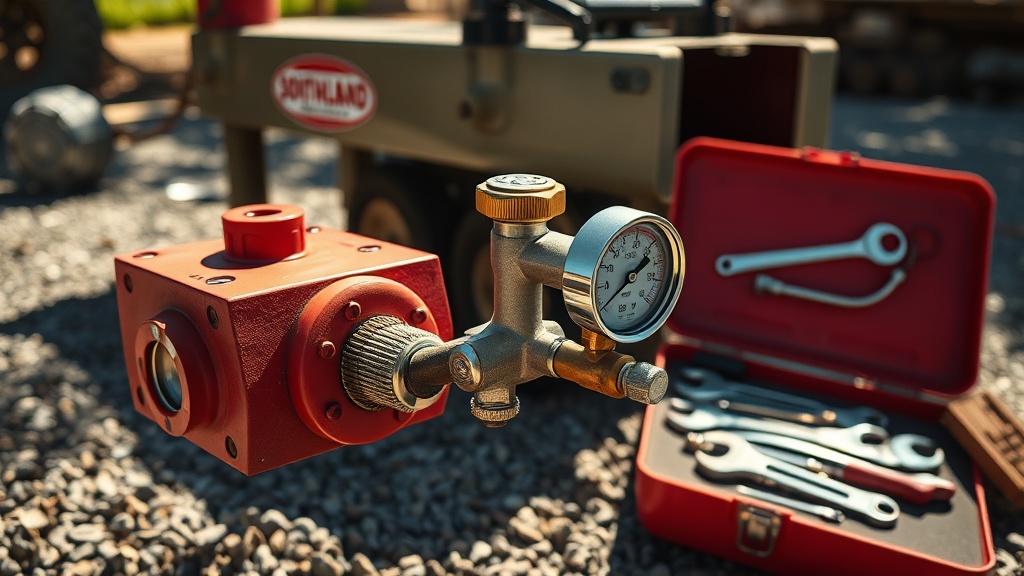
Why Adjust the Hydraulic Pressure on a Southland 22-Ton Splitter?
The Southland 22-Ton log splitter is a workhorse for medium- to heavy-duty splitting, but like any hydraulic system, its pressure can drift over time or need fine-tuning for specific wood types. Whether you’re dealing with knotty oak or punky ash, matching the hydraulic pressure to the task prevents premature wear on the pump, seals, and engine. A splitter that’s running too high pressure risks blowing cylinder seals, while one that’s too low wastes fuel and leaves you fighting the wedge. Adjusting the pressure is a straightforward maintenance procedure, but it demands precision to avoid damaging the system. This guide walks you through the process using a pressure gauge, the correct tools, and the specifications that keep your Southland 22-Ton performing at its peak.
Before you begin, ensure the splitter is on a level surface, the engine is off, and all hydraulic fluid is cool. Always consult your owner’s manual for the baseline pressure—typically 2,200 to 2,500 psi for the Southland 22-Ton. For related tasks, refer to our Hydraulic Fluid Level Check and Top-Up Guide to confirm fluid levels before adjusting pressure.
What Tools Do You Need to Adjust the Pressure?
Adjusting the hydraulic pressure on the Southland 22-Ton requires a few specialized tools. Here’s a definitive list:
- Hydraulic pressure gauge (0-5,000 psi): Ideally with a quick-connect coupler that matches the splitter’s test port. A digital gauge offers more accuracy, but a quality analog gauge works fine.
- 17mm or 19mm combination wrench: For loosening the test port plug (check your model; some use 21mm).
- Adjustable wrench or socket set: For the pressure relief valve nut—typically a 7/8-inch or 22mm hex.
- Teflon tape (PTFE): For sealing the gauge adapter threads.
- 18-inch breaker bar: For stubborn test port plugs that have corroded over time.
- Rags and a catch pan: To handle minor fluid spills.
Most Southland 22-Ton models have the test port on the cylinder body or near the control valve. If you’re unsure of the location, the DIY Hydraulic Pump Replacement Guide covers disassembly steps that might help you access difficult spots.
How Do You Locate the Pressure Adjustment Valve?
The pressure adjustment valve on the Southland 22-Ton is typically a hex-headed nut on the control valve block. It’s often located beneath a rubber cap or near the cylinder hose connections. Look for a small port with a brass plug (the test port) and a larger nut with a spring underneath—that’s the relief valve adjuster. The valve may be on top of the valve stack or behind a guard plate. If it’s hidden, remove the engine cowling (two bolts) and trace the high-pressure hose from the pump to the valve block. The adjustment nut is usually painted red or yellow for visibility.
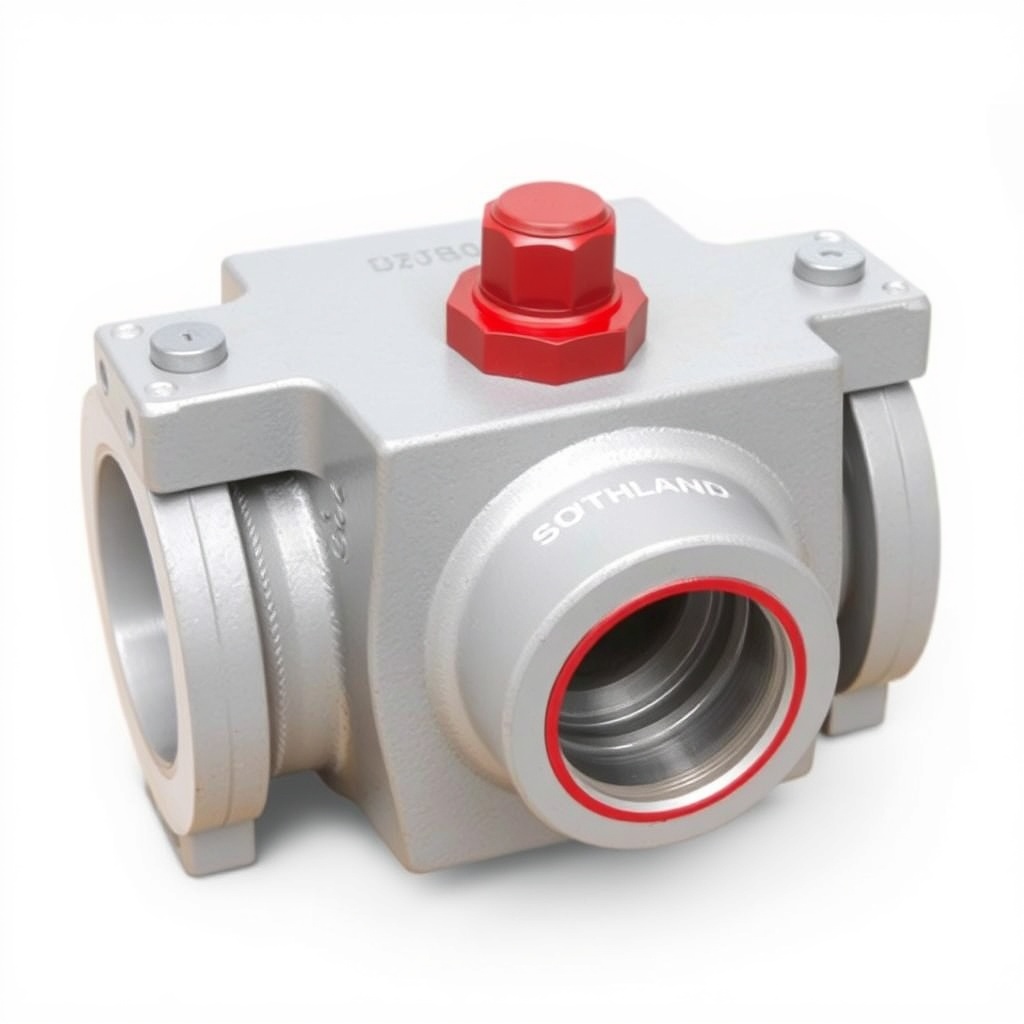
Once you’ve located the valve, clean the area with a degreaser to prevent debris from entering the system when you loosen the test port. If your splitter has a decal with a pressure specification (e.g., “2,300 psi”), that’s a good baseline. If not, contact Southland or use your serial number to look up the exact spec online. Note that adjusting without a gauge can lead to over-pressurization—never turn the screw if you don’t have a gauge installed.
What Is the Step-by-Step Procedure for Adjusting Pressure?
Follow these steps precisely to avoid damaging the hydraulic pump or cylinder:
- Prepare the splitter: Start the engine and let it run for 2 minutes at idle. Cycle the wedge forward and back 3 times to warm the fluid. Shut off the engine.
- Install the gauge: Remove the test port plug. Wrap PTFE tape on the gauge adapter, then hand-tighten it into the port. Use a wrench to snug it—do not overtighten.
- Restart and warm up: Start the engine again. Run it at full throttle. Move the control lever to extend the wedge, but stop it just before it contacts the end of the stroke (or use a wooden block to prevent metal-to-metal contact).
- Read the gauge: While holding the control in the extend position, read the gauge. This is your current pressure. For a Southland 22-Ton, this should be between 2,200–2,500 psi (factory default is usually 2,400 psi).
- Adjust the relief valve: Loosen the jam nut on the relief valve using a wrench. Turn the adjustment screw clockwise to increase pressure (turn in 1/8-turn increments) and counter-clockwise to decrease pressure. Re-tighten the jam nut.
- Re-test: Shut off the engine, wait 30 seconds, then restart and perform the pressure test again. Repeat adjustment steps until you hit the target pressure.
- Finalize: Once the pressure is correct, shut off the engine, remove the gauge, and reinstall the test port plug (use new PTFE tape). Run the cylinder through 3 full cycles to check for leaks.
If the pressure doesn’t change with 1/2-turn of the screw, the valve may be stuck or the pump may be failing. In that case, consult the DIY Hydraulic Pump Replacement Guide for troubleshooting steps.
What Are the Correct Pressure Specifications and Tolerances?
Using the wrong pressure can damage seals, valves, or the pump. Here’s a specification table for the Southland 22-Ton:
| Parameter | Specification (psi) | Tolerance |
|---|---|---|
| Factory default pressure | 2,400 psi | ± 50 psi |
| Maximum safe continuous pressure | 2,500 psi | Do not exceed for more than 10 seconds |
| Minimum functional pressure for splitting | 1,800 psi | Below this, splitting performance degrades |
| Relief valve cracking pressure | 2,450 psi (typically) | ± 100 psi |
Always verify your specific model’s spec on the side plate or in the manual. Running above 2,500 psi on a standard Southland 22-Ton risks blowing the cylinder rod seal or damaging the pump. If you need higher pressure for dense wood, consider an electric conversion—see our Tips for Electric Conversion article for torque and pressure trade-offs.
What Symptoms Indicate You Need to Adjust the Pressure?
Here are common signs that the pressure is off on your Southland 22-Ton:
- Wedge stalls mid-log: The wedge stops descending even though the engine is running strong. This usually indicates pressure below 1,800 psi—often due to a worn relief valve or pump.
- Fluid overheating quickly: Excessive pressure causes the relief valve to bypass more fluid, generating heat. If the fluid feels hot (above 160°F) after 5 logs, the pressure may be too high.
- Slow cycle time: A pressure drop makes the cylinder move sluggishly even at full throttle. Compare to the spec: full extension should take 8–12 seconds on a 22-ton model.
- Engine bogging under load: If the engine labors when the wedge first contacts wood, the pressure relief may be set too high, forcing the engine to work harder.
- Oil leaks from cylinder or valve: Blown seals or weeping fittings can result from sustained over-pressurization—check pressure immediately if leaks appear.
If you suspect a leak, read our Safe Techniques for Clearing Log Jams to avoid accidents when inspecting under pressure.
What Do Owners Say About Pressure Adjustments?
Long-time Southland 22-Ton owners on forums report that the factory pressure is conservatively set at around 2,300 psi but can be bumped to 2,500 psi for tough ash or hickory without issues—provided the fluid is changed annually. Some owners note that after 2-3 seasons, the relief valve spring weakens, causing pressure to settle at 2,000–2,100 psi. A simple 1/4-turn clockwise adjust restores performance. Others warn against using a cheater bar on the adjustment nut—the hex can strip easily if over-torqued. One owner detailed how he installed a 0-5,000 psi gauge permanently in the test port, but that requires a 1/8-inch NPT adaptor and careful sealing. A common gripe is that the test port is buried under the hydraulic filter bracket on some models, making access difficult. However, most agree that regular pressure checks (every 50 hours of use) extend the splitter’s life significantly.
Frequently Asked Questions
Q: What is the standard hydraulic pressure for a Southland 22-Ton splitter?
A: The factory default is usually 2,400 psi, but specifications can range from 2,200 to 2,500 psi. Check your model’s serial plate for the exact number.
Q: Can I adjust the pressure without a gauge?
A: It is not recommended. Adjusting by feel can easily over-pressurize the system, leading to seal failure or pump damage. Always use a hydraulic pressure gauge.
Q: Will adjusting the pressure void the warranty?
A: Modifications may void part of the warranty if they cause damage. Southland covers defects, but over-pressurization from tampering is often excluded. Check your warranty terms before adjusting.
Q: How often should I check the hydraulic pressure?
A: At least once per season (every 50 hours of operation). Also check if you notice performance drop, overheating, or leaks. Our Hydraulic Oil Types Guide has recommendations for fluid change intervals that affect pressure consistency.
Q: What should I do if the pressure is stuck at 3,000 psi?
A: Shut down immediately—do not cycle the cylinder. A pressure spike that high indicates a stuck relief valve or failed pump. Disassemble the valve block and inspect the spring. If the spring is damaged, replace it. For pump issues, see the Hydraulic Pump Replacement Guide.
Q: Does using thicker oil affect the pressure reading?
A: Yes, heavy-viscosity oil (ISO 68 compared to AW-32) can cause higher pressure at cold start, but it returns to normal once warm. Always test pressure with fluid at operating temperature (110–130°F). For oil compatibility, see our Hydraulic Oil Types Guide for the best recommendations.