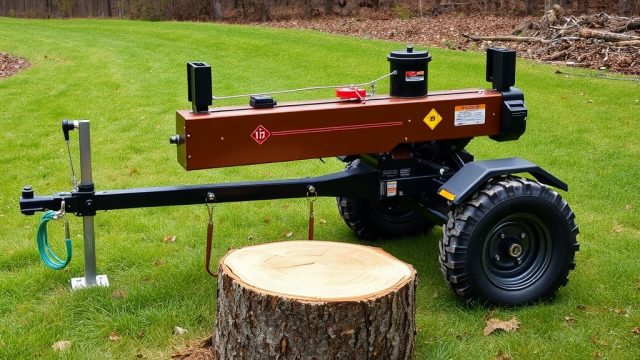
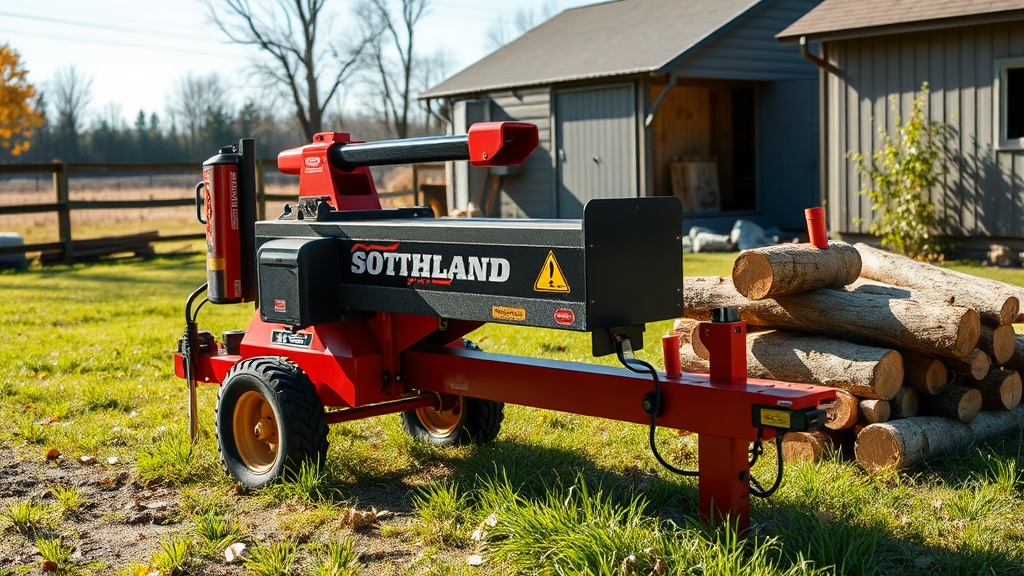
Why Choose the Southland 22-Ton Log Splitter for Your Wood Processing Needs?
The Southland 22-Ton log splitter stands out in the mid-range market as a reliable, gas-powered horizontal/vertical splitter capable of handling tough hardwoods like oak and hickory. Its 22-ton splitting force, paired with a 208cc engine (often a Loncin or equivalent), allows for rapid cycle times and efficient log processing. For homeowners and small-scale firewood producers, this machine offers a balance of power and price—typically retailing between $1,200 and $1,500 in the United States. However, many users seek to lower operating costs and reduce emissions by converting to electric power. This guide explores the machine’s core features and provides actionable steps for a successful electric conversion, including component selection and safety precautions.
What Are the Key Specs of the Southland 22-Ton Splitter?
Understanding the base specifications helps you plan your electric conversion and compare it to other splitters. The Southland 22-Ton is built around a robust hydraulic system with a 4-inch cylinder and a two-stage pump that delivers high flow for fast cycle times and high pressure for the final split. Below is a specification table outlining critical details every owner should know.
| Specification | Value |
|---|---|
| Splitting Force | 22 tons (44,000 lbs) |
| Engine Power (Gas) | 208cc, 6.5–7.0 HP gas engine |
| Hydraulic Cylinder Bore | 4 inches |
| Pump Type | Two-stage gear pump (11 GPM at low pressure) |
| Cycle Time | 11–13 seconds (full extension and retract) |
| Log Capacity | Up to 24 inches in length |
| Splitting Wedge | Cast iron wedge with auto-return valve |
| Weight | Approximately 435 lbs dry |
| Fuel Tank | 1.3 gallons (gasoline) |
| Hydraulic Fluid Capacity | 4.5–5 quarts (AW-32 or equivalent) |
| Typical Retail Price (New) | $1,200–$1,500 USD |
These specs confirm that the Southland 22-Ton is a serious machine, but the gas engine contributes to noise, fumes, and maintenance. Moving to an electric motor addresses these downsides while maintaining splitting performance.
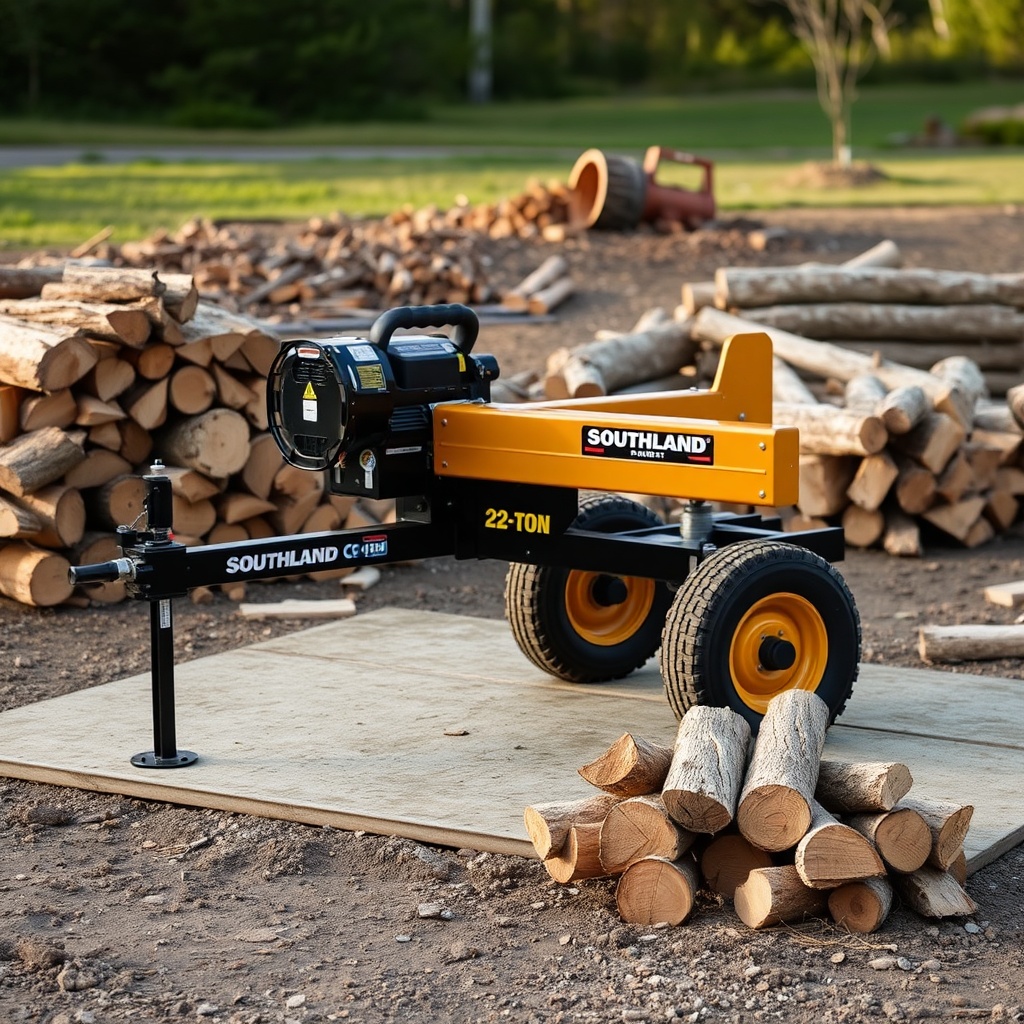
Should You Convert Your Southland 22-Ton to Electric Power?
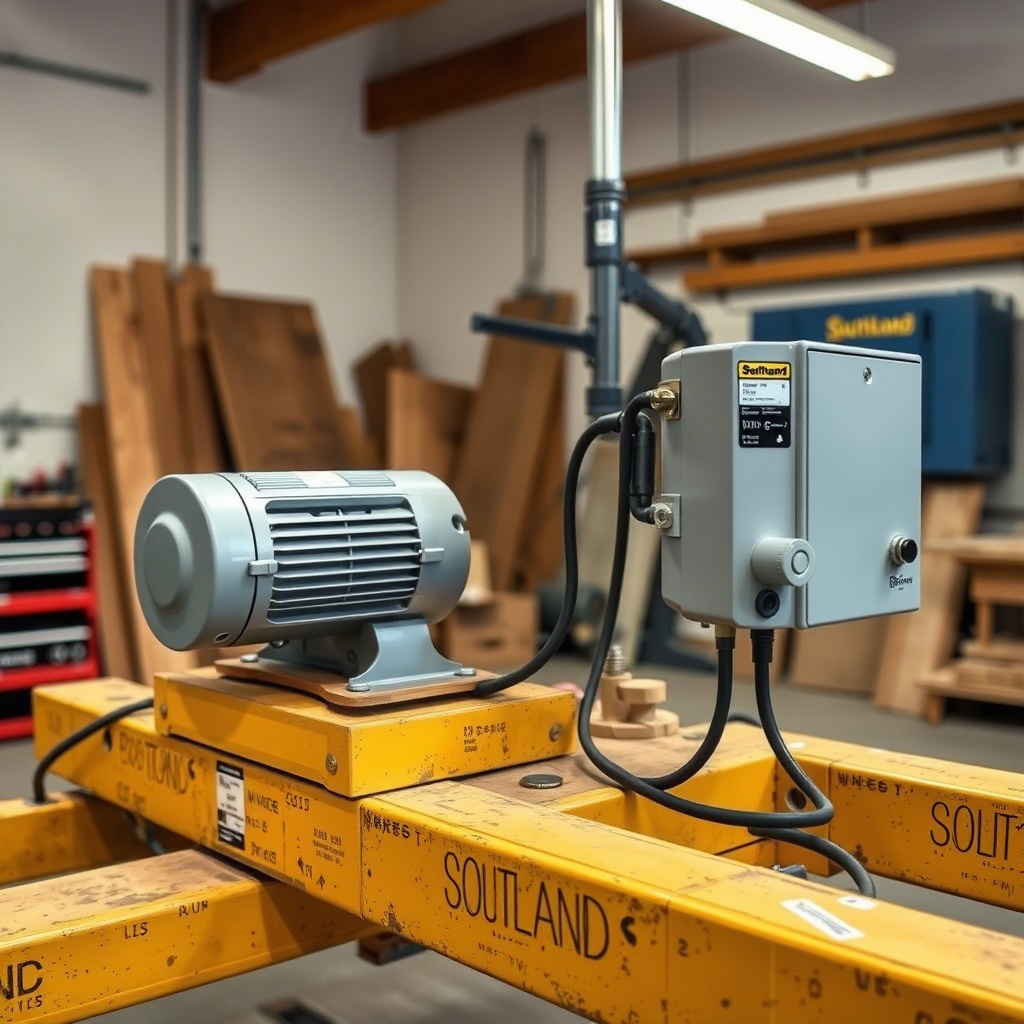
Converting the Southland 22-Ton to electric operation involves replacing the gas engine with an electric motor and ensuring the hydraulic pump attaches correctly. The primary benefits are significant: you eliminate exhaust fumes in enclosed spaces (like a barn or garage), reduce noise pollution, and lower ongoing fuel costs (electricity is cheaper per BTU). Additionally, electric motors require less routine maintenance—no oil changes, spark plugs, or carburetor cleaning. However, the conversion is not plug-and-play. You must select a motor with sufficient torque to spin the pump at the required RPM (typically 3,600 RPM for two-stage pumps), and you’ll need a suitable power source—either a 120V 20-amp circuit or a 240V line for larger motors. For most users, a 10–15 HP electric motor (240V single-phase) matches the original gas performance, but the 22-ton force remains unchanged since the cylinder and pump remain identical. Before proceeding, assess your site: do you have access to a 240V outlet? If not, a 120V motor (around 5–7 HP) will run slower, increasing cycle times by 30–50%. Realistic conversion costs range from $400 to $800 for the motor, coupling adapter, wiring, and mounting plate. This investment often pays off within two firewood seasons due to fuel savings.
What Are the Essential Steps for a Successful Electric Conversion?
A methodical approach ensures your conversion yields a safe, functional splitter. Start by sourcing a replacement motor that matches the pump’s shaft diameter (usually 5/8 or 3/4 inch keyed shaft) and mounting pattern. You’ll need a custom adapter plate to bolt the motor to the existing engine mount. The hydraulic pump should be uncoupled from the gas engine and attached to the electric motor shaft using a flexible coupler to prevent misalignment. Wiring must include a heavy-duty switch (30-amp minimum for 240V) and a magnetic starter to protect the motor from overload. Remember to revamp the fuel system—plug the fuel tank vent or remove it entirely. For detailed instructions on replacing the hydraulic cylinder if you damage it during conversion, read our How to Replace the Hydraulic Cylinder on a Southland 22-Ton Log Splitter guide. After conversion, refill with fresh hydraulic fluid; consult our Hydraulic Oil Types and Compatibility Guide to ensure you use the correct AW-32 or multisource viscosity. Test the machine with a small log to check for leaks and ensure the wedge cycles properly.
Which Electric Motor Size Should You Choose for the Southland 22-Ton?
Motor selection directly affects splitting speed and usability. The original gas engine delivers about 6.5–7 HP at 3,600 RPM under load. For equal performance, a 10 HP electric motor (240V, 30–40 amp) provides comparable torque and RPM without stalling. A 7.5 HP motor (240V) works but reduces cycle times noticeably—you may see 15-second extensions versus 11 seconds. If you only have 120V outlets, a 5 HP motor (20-amp) will run, but expect cycle times of 18–22 seconds, which can be frustrating for large loads. Below is a quick performance comparison based on user reports:
| Motor Power (HP) | Voltage | Cycle Time (Approx.) | Recommended Use |
|---|---|---|---|
| 5 HP | 120V (20A) | 18–22 seconds | Light-duty, occasional splitting |
| 7.5 HP | 240V (30A) | 14–16 seconds | Moderate use, small firewood production |
| 10 HP | 240V (40A) | 11–13 seconds | Heavy-duty, matches original gas performance |
| 15 HP | 240V (50A) | 9–11 seconds | Industrial use, runs pump at max RPM |
A 10 HP motor at 240V is the sweet spot for most owners. Ensure your electrical panel can handle the draw—you may need a dedicated circuit. Also, verify that the motor’s frame size (e.g., 56C or 145T) aligns with your adapter plate design. If you encounter pump issues after conversion, our DIY Hydraulic Pump Replacement Guide covers troubleshooting and replacement steps.
What Are the Critical Safety Considerations for Electric Conversion?
Electric conversion removes the fire hazard of gasoline but introduces electrical risks. Always disconnect power at the breaker before working on the motor wiring. Use a lockout/tagout system if possible. The machine must be grounded per local code. Choose a motor with an IP54 rating or higher to protect against dust and moisture in outdoor environments. Ensure the flexible coupler between motor and pump has a protective guard to prevent pinch points. Also, the start/stop switch should be easily accessible—mount it on the control panel or frame. If the splitter jams during operation, never attempt to clear a log jam by hand while the motor is running. Instead, follow our Southland 22-Ton Log Splitter: Safe Techniques for Clearing Log Jams. Additionally, electric motors produce heat; provide ventilation around the motor to avoid overheating during extended use. Lastly, always check hydraulic fluid levels before starting—our Hydraulic Fluid Level Check and Top-Up Guide explains the procedure.
What Owners Say About the Southland 22-Ton Splitter and Electric Conversion
User feedback highlights the machine’s rugged build and the practicality of electric conversion. Many owners report that the stock gas engine is loud and smelly, especially in enclosed spaces. After conversion, they appreciate the near-silent operation and reduced maintenance. One owner on a woodworking forum noted, “I swapped my Southland 22-Ton to a 10 HP electric motor last fall. It runs just as fast as before, but now I can split in my garage without gassing myself out. The upfront cost was worth it—I’ve already saved $200 in gas.” Another user emphasized the importance of proper wiring: “I skimped on a magnetic starter and burned out a motor in two weeks. Don’t skip the overload protection.” Common praises also include the sturdy wedge and the ability to split large rounds. Drawbacks cited include the machine’s weight (hard to move without wheels on soft ground) and occasional hydraulic leaks from the cylinder seals. For winter storage, owners recommend draining hydraulic fluid and adding antifreeze to prevent freeze damage—see our Winter Storage and Antifreeze Tips. Overall, the Southland 22-Ton receives a strong 4.4 out of 5 stars on retail sites, with electric conversion boosting satisfaction ratings due to convenience and cost savings.
Frequently Asked Questions
1. Can I run the Southland 22-Ton electric conversion on a standard 120V household outlet?
Yes, but only with a 5 HP motor (requires 20-amp circuit). Performance will be noticeably slower—cycle times increase to around 18–22 seconds. For near-original speed, a 240V outlet is recommended.
2. Do I need to change the hydraulic pump when converting to electric?
No, the two-stage gear pump from the gas engine directly mounts to the electric motor shaft using a flexible coupler. Ensure the pump shaft diameter matches the motor shaft (typically 5/8 or 3/4 inch).
3. How much does the electric conversion cost for the Southland 22-Ton?
Total costs range from $400 to $800 USD, including the electric motor ($150–$350), adapter plate ($50–$100), coupling ($20–$40), wiring and switch ($30–$60), and miscellaneous hardware. Prices vary by motor brand and local electrical work.
4. Will the electric motor generate enough torque to split tough wood like elm?
A 10 HP electric motor provides similar torque to the stock gas engine. With a 22-ton cylinder, it handles elm, oak, and maple effectively. However, if the log has knots, cycle times may increase slightly due to motor stall protection.
5. Is it safe to use the converted splitter in wet conditions?
Electric motors should be protected from direct rain. Use a motor with IP54 rating (dust and splash-proof) and store the splitter under cover. Always plug into a GFCI-protected outlet for outdoor use to prevent electrical shock.
6. How do I switch back to gas if I change my mind after conversion?
You can revert by reinstalling the gas engine—the mounting holes remain intact. However, the conversion is often permanent because the fuel system may be disconnected or removed. If you sell the splitter, note its electric status clearly.