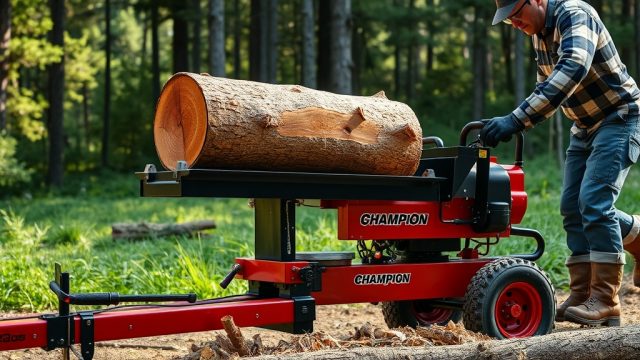
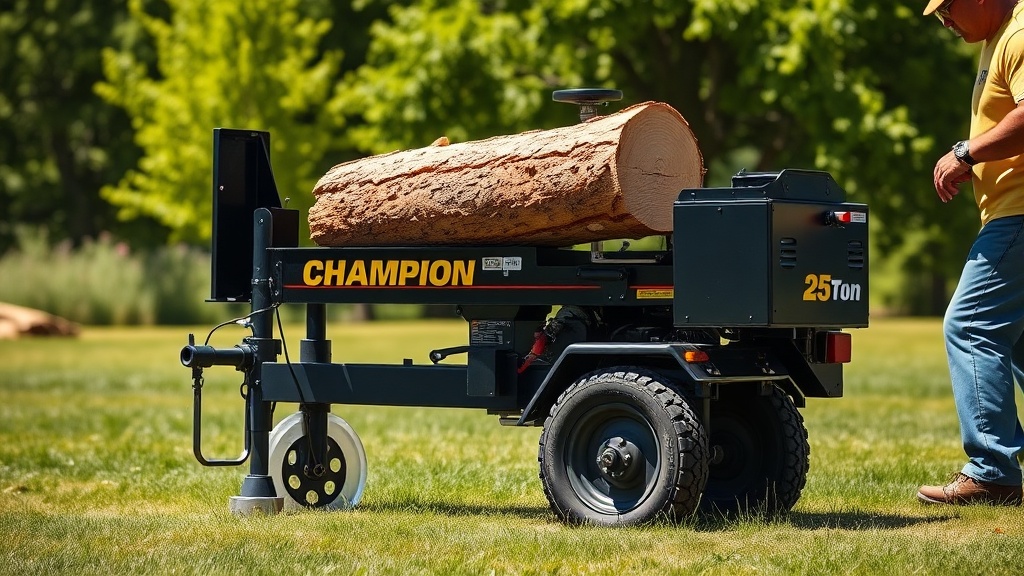
Introduction: Why Safety Matters with the Champion 25-Ton Log Splitter
When you invest in a Champion 25-Ton log splitter, you’re buying raw power—enough to split even the toughest hardwood like oak or hickory in seconds. But that force demands respect: a single mistake with the hydraulic wedge can lead to crushed fingers, flying wood fragments, or even hydraulic fluid burns. Whether you’re a seasoned firewood cutter or a first-time owner, this guide walks you through essential safety tips, from proper setup to daily maintenance, so you can work confidently and injury-free.
What Pre-Operation Checks Should I Perform Before Each Use?
Every safe split starts with a thorough walk-around inspection. Before you pull the starter cord or flip the switch, check these three critical areas:
- Hydraulic fluid level: Your Champion 25-Ton uses about 7 gallons of AW-32 hydraulic oil. Low fluid can cause overheating or erratic wedge movement. Learn how to top it off correctly in our detailed guide on changing hydraulic oil.
- All bolts and fasteners: Vibrations can loosen wedge bolts, beam mounts, and wheel nuts over time. Tighten them to manufacturer specs—typically 30–40 ft-lbs for beam bolts.
- Control valve and hoses: Inspect for cracks, leaks, or swelling. A leaking hose can spray hot oil at up to 2,500 PSI, causing severe burns.
Also verify the log splitter is on level ground, with the tow vehicle disconnected and wheel chocks in place. Never skip this 5-minute ritual: it’s the cheapest insurance against a trip to the ER.
How Do I Properly Position a Log on the Beam?
Incorrect log placement is the number one cause of kickback and wedge binding. Follow these rules for every log:
- Cut the log flat on both ends using a chainsaw before loading. A rounded or angled end can shift when the wedge pushes.
- Place the log with the largest diameter facing the wedge, not the end plate. This aligns the wood fibers with the splitting force.
- Never split a log longer than the beam’s maximum length—Champion 25-Ton models typically handle logs up to 24–25 inches. Longer logs can bend the beam or tip the machine.
- Use the control handle with a smooth, firm motion. For two-stage pumps like the Champion’s, rapid cycling can cause cavitation. Hold the valve open only until the wedge fully splits the log, then release immediately.
If the wedge stalls, do not force it by rapping the log with a hammer. Instead, reposition the log or use a wedge splitter wedge—we cover this technique in our article on vertical vs. horizontal splitting performance.
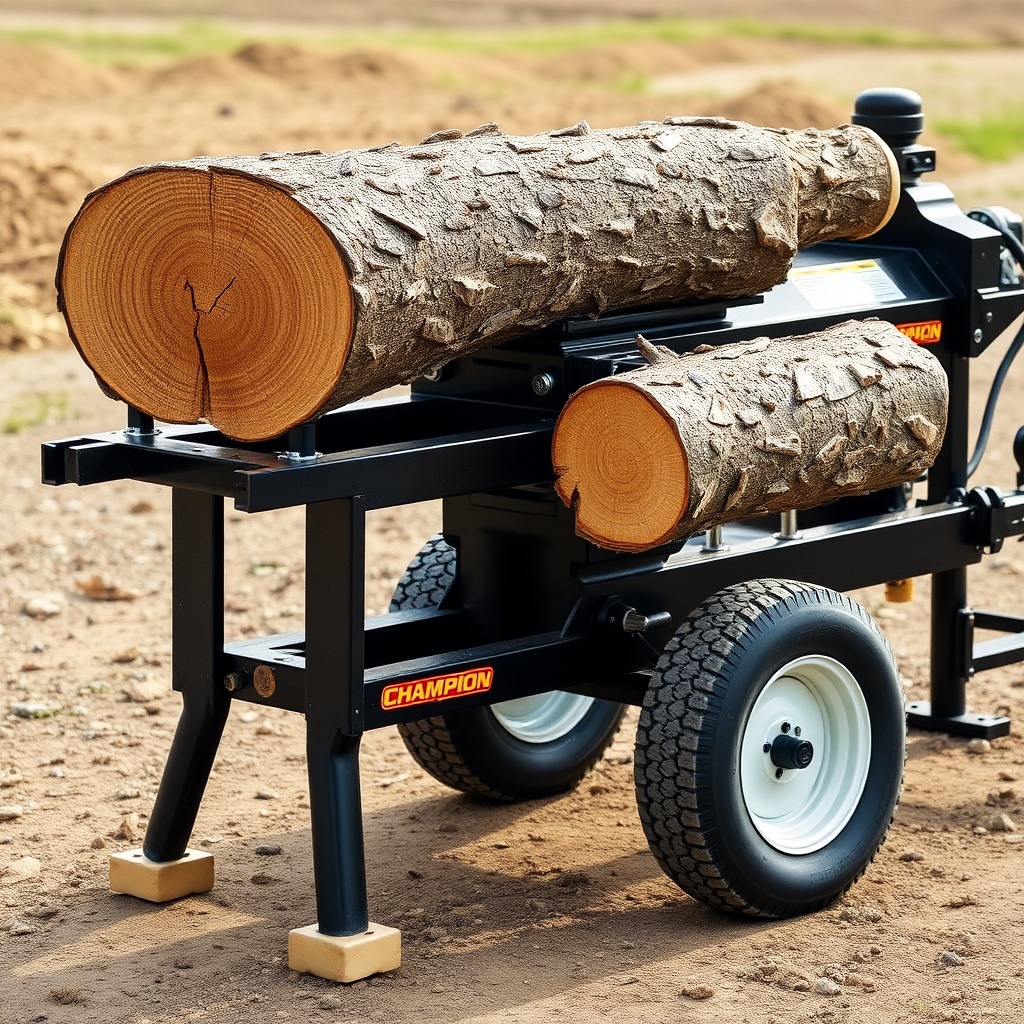
What Personal Protective Equipment (PPE) Is Mandatory?
Treat this as non-negotiable. The combination of 25 tons of force and flying wood debris demands a full PPE kit:
| PPE Item | Why It’s Critical | Injury Type Prevented | Cost (USD) |
|---|---|---|---|
| ANSI Z87.1 safety glasses with side shields | Flying bark, splinters, and hydraulic fluid spray | Eye puncture, blindness | $15–$30 |
| Heavy-duty leather work gloves (cut-resistant, ANSI A5 or higher) | Grip wet wood; resist knife-sharp splinters | Cuts, puncture wounds, crush injuries | $20–$40 |
| Steel-toed boots (ASTM F2413-18 rated) | Logs can roll off beam onto feet | Broken toes, foot crush | $80–$150 |
| Hearing protection (earmuffs or plugs, NRR 25+) | Engine noise at 90–100 dB | Noise-induced hearing loss | $15–$50 |
| Close-fitting, long-sleeved shirt and long pants (no loose cuffs) | Loose material can catch on moving parts | Amputation, entanglement | N/A (wardrobe) |
Never wear jewelry, gloves with dangling material, or baggy clothing. If you’re splitting in cold weather, use insulated but snug-fitting outerwear.
What Are the Critical Do’s and Don’ts for Operating the Control Valve?
Champion 25-Ton splitters use a two-handed safety system: one hand on the control lever, the other always free to brace yourself. Here’s the breakdown:
- DO keep both feet planted shoulder-width apart, with one foot slightly behind the other for balance.
- DON’T reach over the beam or wedge path while the splitter is idling or cycling. Wait for the wedge to fully retract.
- DO release the control lever the instant you hear the relief valve squeal or feel the wedge stop—this means the log is too tough or needs repositioning.
- DON’T operate the valve with wet, greased, or bulky gloves that might slip. Use dry, snug gloves that allow full tactile control.
- DO engage the wedge only when you have full visual clearance of the splitting zone. Children, pets, and bystanders should be at least 20 feet away.
For vertical splitting (which the Champion 25-Ton’s vertical mode excels at), always secure the log with the beam lock before lowering the wedge. Never place your hands or feet under a suspended log.
How Do I Handle Binding or Kickback Events Safely?
Even with perfect technique, logs can bind on the wedge. Here’s how to react without injury:
- If the wedge binds halfway through a log: Release the control lever immediately. Wait 10 seconds for hydraulic pressure to bleed off. Then carefully knock the log loose with a splitting maul (wear safety glasses). Never strike the wedge itself.
- If a log kicks back (flies backward toward you): Step to the side—your natural reaction is to dodge left or right. Always keep the end plate between your body and the log. Use a log positioning tool (like a long-handled splitter tine) instead of your hands for the last 6 inches of loading.
- If a hydraulic hose bursts: Shut off the engine immediately. Do not touch the hose or fluid until it has cooled to ambient temperature—hot oil can be over 200°F. Call for service; do not re-split.
We recommend practicing these responses in a controlled setting before your first real session. Muscle memory saves lives.
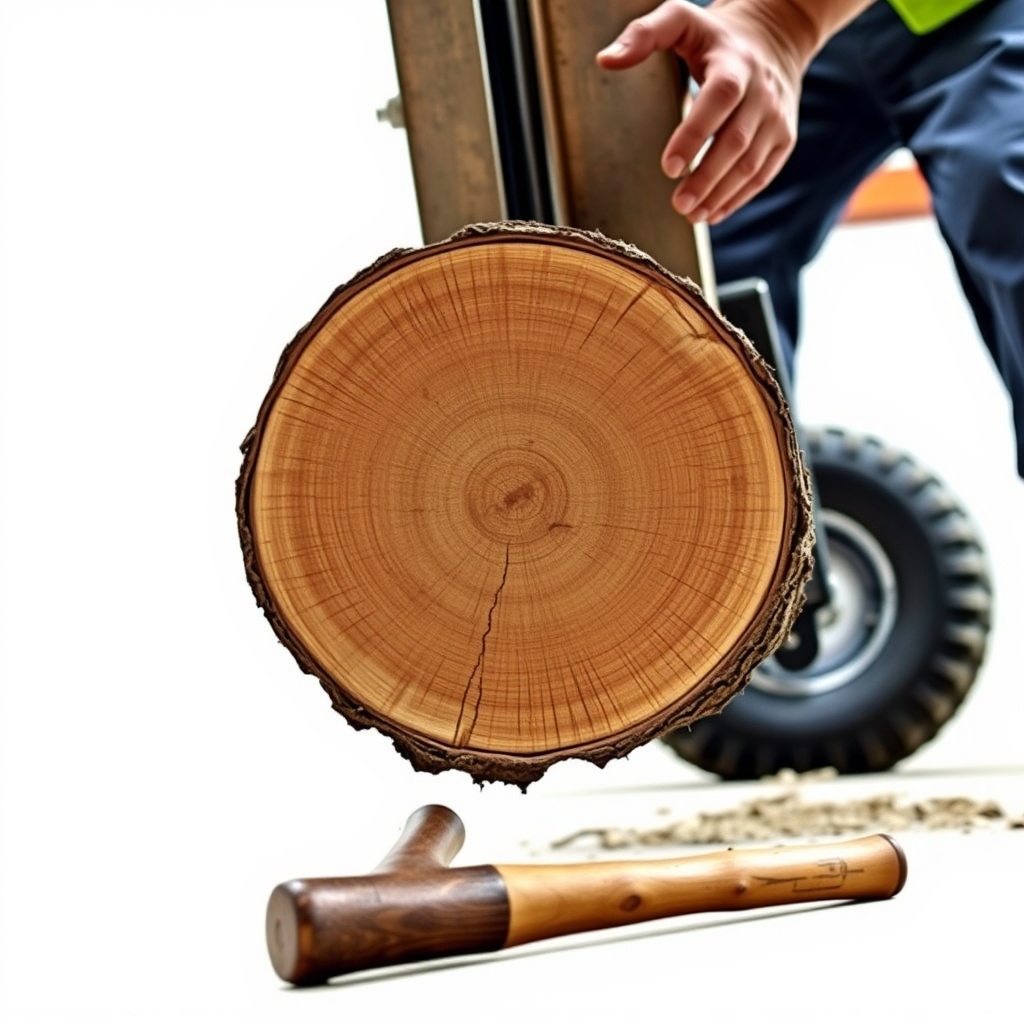
What Owners Say About Safety and Reliability
Long-term owners of the Champion 25-Ton consistently praise its robust build and predictable hydraulic system. One owner reported running over 150 cords of mixed oak and pine over three years without a single wedge kickback—attributing it to the machine’s consistent 4.5-second cycle time and cast-iron beam. Another noted that the safety instruction decals are clear and easy to read, even after seasonal outdoors storage, though they add: “I still do a full walk-around every time I hook up to the truck. It’s five minutes that could save my hand.” A third user appreciated the optional log cradle kit, which reduces the need to manually position smaller logs. Common advice from the community: “Test the hydraulic fluid before every use—especially if you store it in a cold garage. Thick fluid can cause slow wedge movement and increase the risk of binding.”
Frequently Asked Questions About the Champion 25-Ton Log Splitter
Q1: What hydraulic oil does the Champion 25-Ton need?
A: It requires approximately 7 gallons of AW-32 hydraulic oil. Do not use motor oil or transmission fluid—it can damage seals. For step-by-step changes, see our hydraulic oil change guide.
Q2: Can I split wood that is still green (wet)?
A: Yes, the 25-ton splitter can handle green wood of up to 20 inches diameter. However, wet wood is heavier and more likely to twist on the beam—always ensure it’s flat-ended and centered.
Q3: How often should I check the hydraulic filter?
A: Inspect it after every 25 hours of operation. Replace it every 100 hours or if you notice slow wedge return, which indicates a clogged filter.
Q4: What is the towing capacity for the trailer version?
A: The unit weighs about 500–550 pounds, so any Class 1 or higher hitch (2,000 lb capacity) works. Always disconnect the safety chains before splitting.
Q5: Can I use an extension cord with an electric-start model?
A: No. The Champion 25-Ton uses a built-in battery for electric start. Never use a cord—mixing 120V and hydraulic oil is a fire hazard. Charge the battery after every 10 cycles.
Q6: Will the wedge split a knotty log?
A: The 25-ton force can handle most hardwood knots up to 4 inches diameter. For larger knots, position the log so the knot is off-center. If the wedge stalls, reduce pressure and let the hydraulics cool for 2 minutes before trying again.