
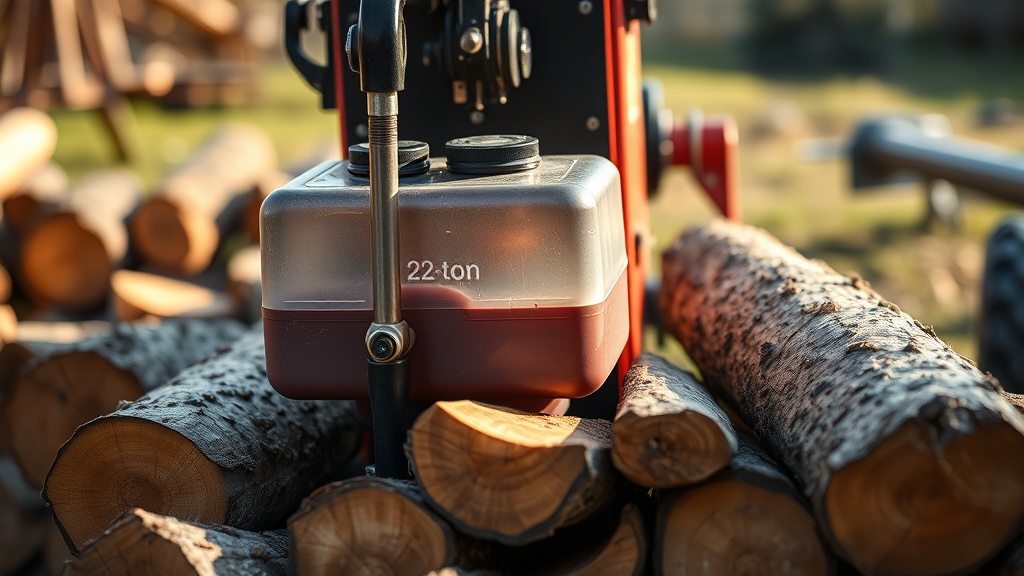
Introduction to Southland 22-Ton Log Splitter Hydraulic Oil Needs
Understanding the correct hydraulic oil for your Southland 22-ton log splitter is crucial for maintaining peak performance and extending the machine’s lifespan. This guide covers oil types, viscosity grades, compatibility factors, and maintenance schedules specific to the Southland 22-ton model, with insights from real-world owner experiences. Using the wrong fluid can lead to reduced splitting force, pump cavitation, or even component failure, which is why you should always consult our detailed hydraulic fluid level check and top-up guide before making any changes.
What Hydraulic Oil Does the Southland 22-Ton Require?
The Southland 22-ton log splitter typically ships with AW-32 (ISO VG 32) hydraulic oil from the factory, but many owners in cooler climates prefer AW-46 for better viscosity retention. The key specification is that the oil must meet ISO VG 32 or ISO VG 46 viscosity grades, with a viscosity index of at least 90. For most residential use above 40°F (4°C), AW-32 works excellently; for continuous heavy use or warmer ambient temperatures, AW-46 provides slightly better thermal stability. The hydraulic reservoir on the Southland 22-ton holds approximately 3.7 gallons (14 liters) of fluid when filled to the proper level on the dipstick.
Always use a high-quality anti-wear (AW) hydraulic oil with a minimum of 0.04% zinc additive for pump protection. Avoid automotive transmission fluid (ATF) or engine oil, as these lack the required anti-foam and anti-wear additives for hydraulic systems. If you are converting to electric power, check our Southland 22-ton splitter electric conversion guide for oil requirements specific to electric motor setups.
How Does Ambient Temperature Affect Oil Choice?
Temperature plays a major role in hydraulic oil performance. Below 50°F (10°C), AW-32 may become too viscous, causing slow cycle times and increased pump strain; in these conditions, switching to a multi-grade hydraulic oil like 10W-30 or 10W-40 can help maintain flow. For winter storage and operation, refer to our winter storage and antifreeze tips for proper fluid preparation. Conversely, in ambient temperatures above 95°F (35°C), AW-46 is preferable because it resists thinning and maintains film strength. The Southland owner’s manual (page 14) recommends using AW-32 for temperatures from 20°F to 120°F (-6°C to 49°C), but many owners report better performance with AW-46 in hot climates.
Can You Mix Different Hydraulic Oils in the Southland 22-Ton?
Generally, mixing different brands of the same viscosity grade (e.g., AW-32 with another AW-32) is acceptable as long as both meet ISO specifications. However, mixing AW-32 with AW-46 or multi-grade oils can alter the overall viscosity and additive package, potentially reducing performance. If you must top off with a different type, limit mixing to no more than 10% of total volume and plan a full fluid change soon after. Never mix hydraulic oil with automatic transmission fluid (ATF) or motor oil, as this can cause foaming, seal swelling, or pump damage. For a full fluid change, drain the reservoir completely and replace with fresh AW-32 or AW-46, which you can learn about in our cylinder replacement guide since fluid must be drained during that service.
What Are the Specs and Compatibility of Recommended Oils?
| Oil Type | Viscosity Grade (ISO VG) | Temperature Range | Additive Package | Compatibility with Southland 22-Ton |
|---|---|---|---|---|
| AW-32 (Standard) | 32 cSt @ 40°C | 20°F to 90°F (-6°C to 32°C) | Anti-wear, anti-foam, anti-rust | Fully compatible; factory fill |
| AW-46 (Heavy Duty) | 46 cSt @ 40°C | 40°F to 120°F (4°C to 49°C) | Same + enhanced thermal stability | Compatible; preferred for hot climates |
| Multi-Grade 10W-30 | 32-46 cSt @ 40°C | -10°F to 95°F (-23°C to 35°C) | High VI, pour point depressant | Compatible; good for cold weather |
| Multi-Grade 10W-40 | 46-60 cSt @ 40°C | -10°F to 110°F (-23°C to 43°C) | Similar to 10W-30 with higher hot viscosity | Compatible but may reduce flow at low temps |
| ATF (Type F or Dexron) | ~35 cSt @ 40°C | Variable | Friction modifiers, not AW | Not recommended; causes seal swelling |
How Often Should You Change the Hydraulic Oil?
Log splitter manufacturers generally recommend a hydraulic fluid change every 500 hours of operation or every two years, whichever comes first. For the Southland 22-ton, which uses a gear pump rather than a piston pump, the interval can be slightly longer—around 600 hours—if you use high-quality oil and check it regularly. However, if you notice the oil becoming milky (water contamination), having a burned smell, or if the dipstick shows debris, change it immediately. A good practice is to inspect the fluid every 25 hours of use, which you can do with the help of our hydraulic fluid level check guide. For a complete pump replacement procedure, see our DIY pump replacement guide.
What Owners Say About Hydraulic Oil on the Southland 22-Ton
Experienced owners on forums like Arboristsite and TractorByNet consistently recommend sticking with AW-32 for general use and switching to 10W-30 synthetic blend for cold weather (below 40°F). One owner reported that after switching from generic hydraulic fluid to a premium AW-46, log splitting force increased noticeably and the pump ran quieter. Another common tip is to avoid using cheap store-brand hydraulic fluid that lacks anti-foam additives, as this can cause air pockets in the system and reduce cycle speed. Several owners noted that using ATF caused seal leaks after a few months, reinforcing the need for correct oil. For log jam issues that may require draining fluid, our log jam clearing guide offers safe techniques.
Frequently Asked Questions
1. Can I use 10W-30 motor oil in my Southland 22-ton splitter?
No, motor oil lacks the anti-foam and anti-wear additives required for hydraulic systems. Use a dedicated hydraulic oil that meets ISO VG 32 or 46 specifications.
2. How do I know if my hydraulic oil is contaminated?
Check the dipstick for a milky appearance (water contamination), dark color (oxidation), or a burned smell (overheating). Particles indicate internal wear or debris. If any of these are present, change the oil immediately.
3. What is the cost of a hydraulic oil change for the Southland 22-ton?
A 5-gallon pail of premium AW-32 hydraulic oil costs approximately $35–$55 (USD) at retailers like Tractor Supply or Amazon. Expect to spend around $40–$60 for a complete fluid change including disposal fees.
4. Can I use automotive gear oil (e.g., 80W-90) in my splitter?
No, gear oil is too viscous and contains different additives that can damage your splitter’s pump and seals. Stick to hydraulic oil only.
5. How do I safely dispose of used hydraulic oil?
Most auto parts stores (AutoZone, O’Reilly) accept used hydraulic oil for recycling. Never pour it down drains or onto the ground. Store in a sealed container until disposal.
6. Does using synthetic hydraulic oil improve performance?
Synthetic multi-grade oils (like 10W-30 synthetic) provide better flow at low temperatures and improved thermal stability at high temperatures. Many owners report smoother operation and slightly faster cycle times with synthetics, though they cost roughly twice as much as conventional oil.