
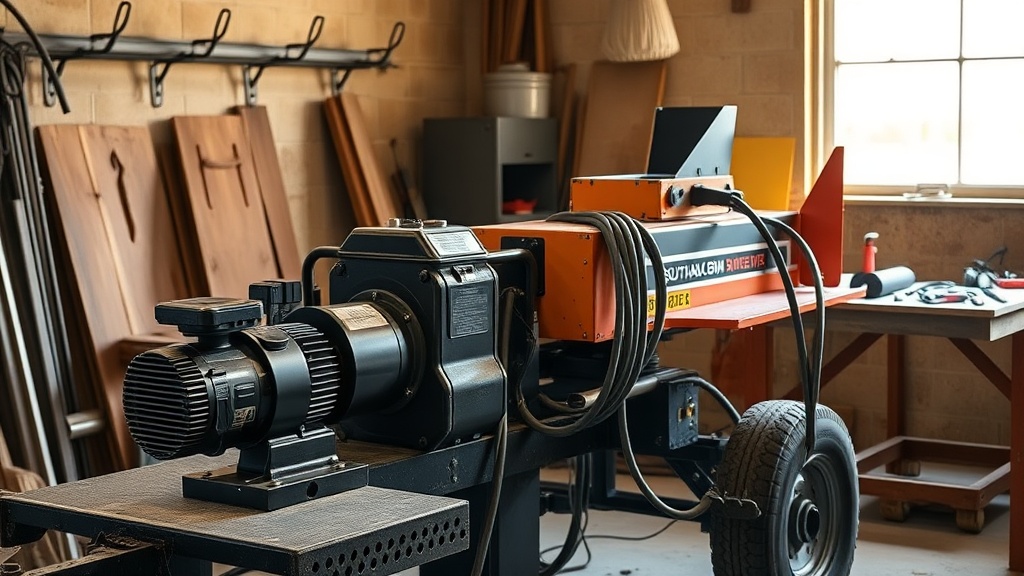
Introduction to the Southland 22-Ton Splitter: Hydraulic Pump Replacement
The Southland 22-Ton log splitter is a workhorse for homesteaders and firewood producers, but even the most robust hydraulic pumps can fail after hours of hard use. When your splitter’s pump starts whining, losing pressure, or refusing to advance the wedge, a timely hydraulic pump replacement can save you from buying a new machine. This guide walks you through the entire DIY pump swap, from diagnosis to final testing, keeping your splitter splitting for seasons to come.
Why Does the Hydraulic Pump on a Southland 22-Ton Fail?
Hydraulic pumps on these splitters typically fail due to three main causes: contamination in the hydraulic fluid, prolonged cavitation from low oil levels, or simple wear on internal gears and bearings. Many users run their splitters year-round without changing the hydraulic oil, which allows metal particles and sludge to damage pump internals. Additionally, operating the splitter when the oil is cold and thick—common in winter—can starve the pump, leading to premature failure. For tips on winter preparation, see our guide on Southland 22-Ton Log Splitter: Winter Storage and Antifreeze Tips.
What Tools and Parts Do I Need for a Southland 22-Ton Pump Replacement?
Before starting, gather the following tools and replacement parts. Using OEM or high-quality aftermarket components ensures proper fit and longevity.
| Item | Specification / Part Number | Estimated Cost (£) |
|---|---|---|
| Replacement hydraulic pump | 22-GPM, 3,000 PSI max (Southland OEM #S22PMP or Haldex equivalent) | £89–£145 |
| Hydraulic oil (AW-32 or 10W) | 2 gallons (7.6 litres) | £18–£25 |
| Flare nut wrench set (1/2″, 9/16″) | Standard metric or SAE | £15–£30 |
| Oil drain pan | 5-litre capacity minimum | £8–£12 |
| Thread sealant (Loctite 567 or PTFE tape) | High-temperature rated | £7–£10 |
| Safety glasses and gloves | Heavy-duty | £10–£15 |
If you need to replace the cylinder seals at the same time, refer to our detailed How to Replace Hydraulic Seals on Southland 22-Ton Splitter guide.
How Do I Safely Drain the Hydraulic Fluid from My Southland 22-Ton?
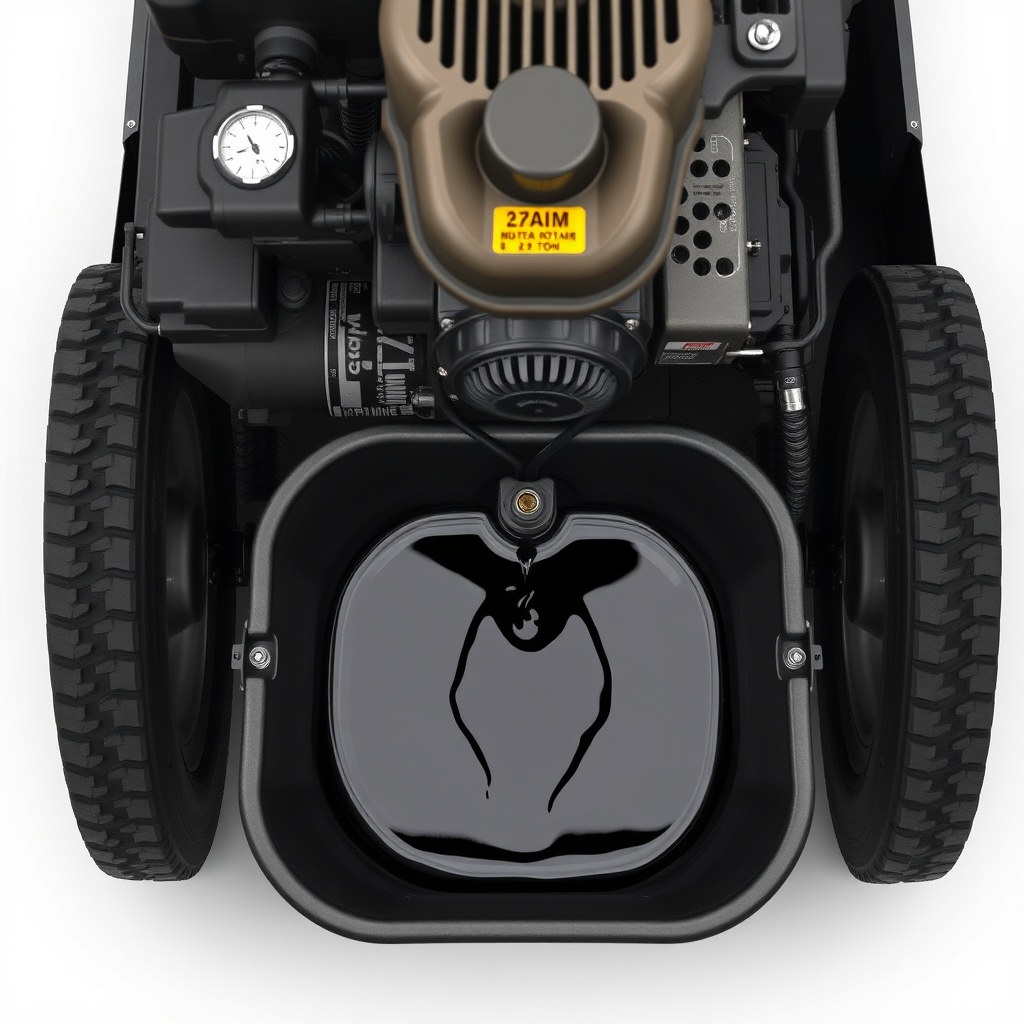
Safety is paramount when working with hydraulic systems under pressure. Never attempt to remove the pump while the system is pressurised. Start by lowering the wedge fully and disconnecting the spark plug wire to prevent accidental engine starting. Place an oil drain pan under the reservoir (usually located beneath the engine mount). Remove the filler cap to allow air in, then loosen the drain plug or the lowest hose fitting. Allow the fluid to drain completely—this may take 10–15 minutes. Dispose of old oil at a local recycling centre. This is also an excellent time to inspect the fluid for metal shavings; excessive debris indicates internal pump damage beyond simple seal wear.
How Do I Remove the Old Hydraulic Pump on a Southland 22-Ton?
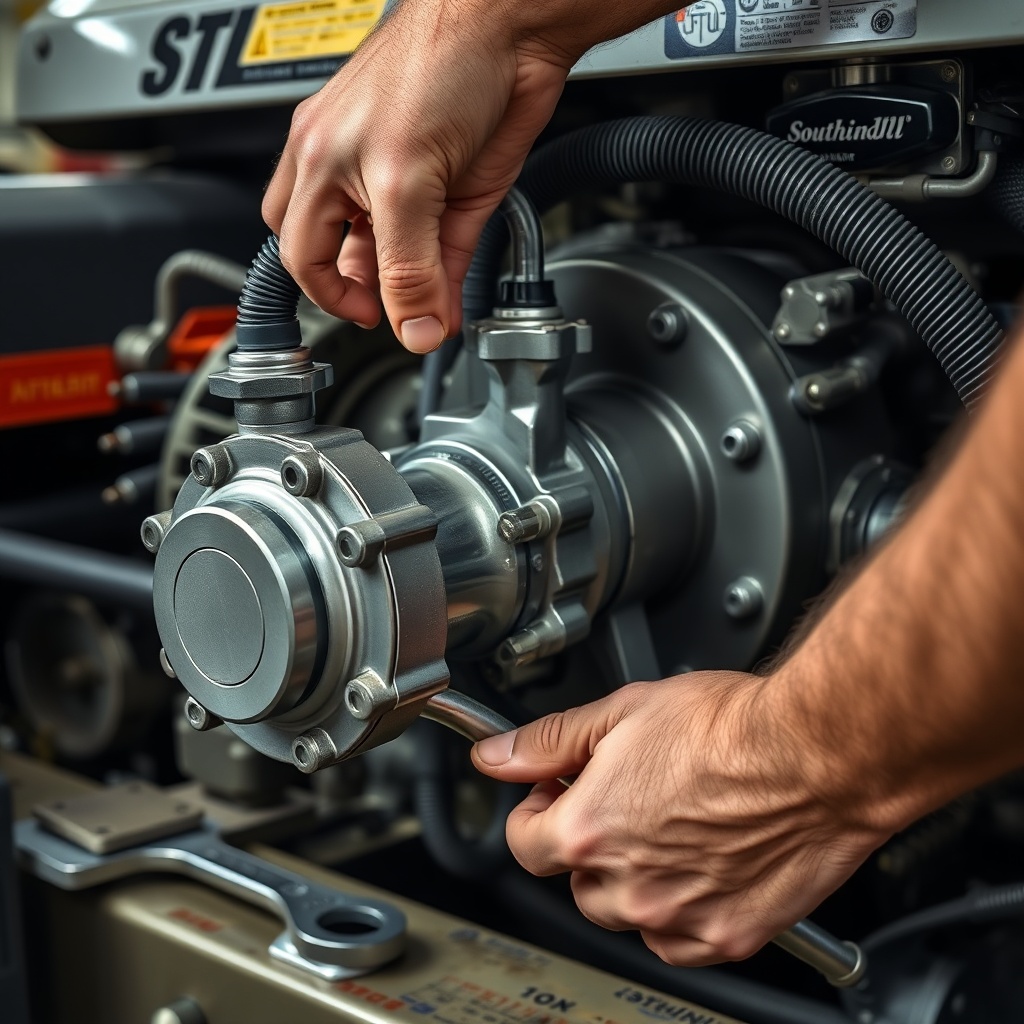
Once the fluid is drained, you can access the pump. It is typically mounted on the engine’s power take-off (PTO) shaft via a coupling or directly bolted to the engine bellhousing. Begin by disconnecting the two high-pressure hoses from the pump ports—use flare nut wrenches to avoid rounding the fittings. Label each hose with masking tape (e.g., “inlet” and “outlet”) to avoid confusion later. Then unbolt the pump from its mounting bracket using a socket set (usually 10mm or 13mm bolts). Gently slide the pump off the coupling gear. If it’s stuck, tap it with a rubber mallet—never use a screwdriver to pry, as this can damage the coupling. Inspect the coupling key and replace it if worn.
For a deeper repair involving the cylinder, see our How to Replace the Hydraulic Cylinder on a Southland 22-Ton Log Splitter article.
How Do I Install the New Hydraulic Pump on My Southland 22-Ton Splitter?
Before installing the new pump, clean the mounting surface and apply a light coat of anti-seize compound to the PTO shaft. Slide the new pump onto the coupling, ensuring the key aligns perfectly. Tighten the mounting bolts to the manufacturer’s specification (typically 20–25 ft-lb). Reconnect the high-pressure hoses, using thread sealant on the fittings to prevent leaks. Do not overtighten—hand-tighten then 1/4 turn with a wrench is sufficient. After attaching the hoses, fill the reservoir with fresh AW-32 hydraulic oil through the filler port. Replace the filler cap and turn the engine over (with the spark plug connected) for 5–10 seconds without the wedge engaged to prime the pump. Check for leaks immediately.
If you prefer an electric motor over a gas engine, our Southland 22-Ton Splitter: Step-by-Step Guide to Electric Conversion provides a complete conversion plan.
What Owners Say About Southland 22-Ton Pump Replacement
After replacing the pump on their Southland 22-Ton units, owners consistently report a near factory-like restoration of splitting force. Many note that the process is straightforward for a DIY mechanic but caution about the weight of the pump (approximately 7 kg). “You’ll need a helper to hold it in place while you bolt it on,” says Mike T., a firewood producer in North Yorkshire. Others emphasise the importance of using the correct thread sealant: “Skip the cheap PTFE tape—use Loctite 567. That saved me from a persistent drip.” A few owners who attempted the repair without draining the oil first caused contamination issues, reinforcing the need to follow every step. Overall, the satisfaction rate is high, with most reporting that the splitter performs like new after a £100–£150 investment.
Frequently Asked Questions (FAQ)
Q1: Can I rebuild the old hydraulic pump instead of replacing it?
A: Yes, but it’s rarely cost-effective. Rebuild kits cost around £40–£60, but if internal gears or bearings are damaged, replacement at £89–£145 is more reliable. Rebuilding is only recommended for minor seal wear.
Q2: How do I know if my pump is truly failed versus a clogged valve?
A: Listen for a whining or grinding noise during operation. Also, if the wedge moves slowly even with a log engaged, and the fluid is clean, the pump is likely bad. A clogged valve usually causes erratic movement or no movement despite engine revs.
Q3: What type of hydraulic oil does the Southland 22-Ton use?
A: AW-32 or 10W non-detergent hydraulic oil is recommended. Using automotive transmission fluid is not advised, as it lacks the anti-foam additives needed for log splitters.
Q4: How long does a pump replacement take?
A: Plan for 2–3 hours including draining, removal, installation, and bleeding. First-timers may need 4 hours. Always allow extra time for cleaning parts.
Q5: Will a pump replacement void my warranty?
A: If your splitter is still under warranty (typically 1–2 years), check with the dealer. DIY repairs can void the warranty, though replacing a worn pump is considered normal maintenance by many manufacturers.
Q6: Can I use a higher-GPM pump for more speed?
A: Not recommended. The Southland 22-Ton is designed for 22 GPM. A higher-GPM pump may overheat the oil, damage the cylinder seals, or overload the engine. Stick to the factory specification for reliability.