
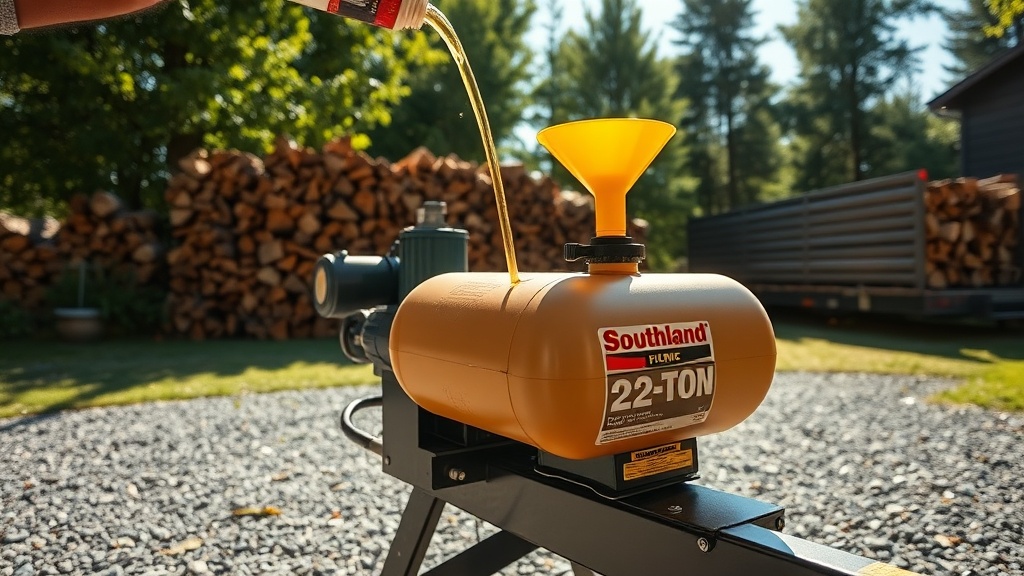
Why Does the Southland 22-Ton Splitter Need Regular Hydraulic Oil Changes?
Hydraulic oil is the lifeblood of any log splitter, and the Southland 22-Ton is no exception. Over time, heat, moisture, and contaminants degrade the oil, reducing its ability to lubricate, transfer power, and protect internal components. Regular hydraulic oil changes prevent premature pump wear, sticky valves, and reduced splitting force. For owners who rely on their splitter for cord after cord of firewood, sticking to a maintenance schedule is the difference between years of trouble-free operation and costly repairs.
This guide provides a clear frequency schedule, step-by-step change procedures, and answers to common owner questions—all tailored to the Southland 22-Ton log splitter.
Before performing any hydraulic work, ensure the engine is off, cool, and the splitter is on level ground. Safety first: always relieve system pressure by cycling the control lever after the engine is stopped.
How Often Should I Change the Hydraulic Oil in a Southland 22-Ton?
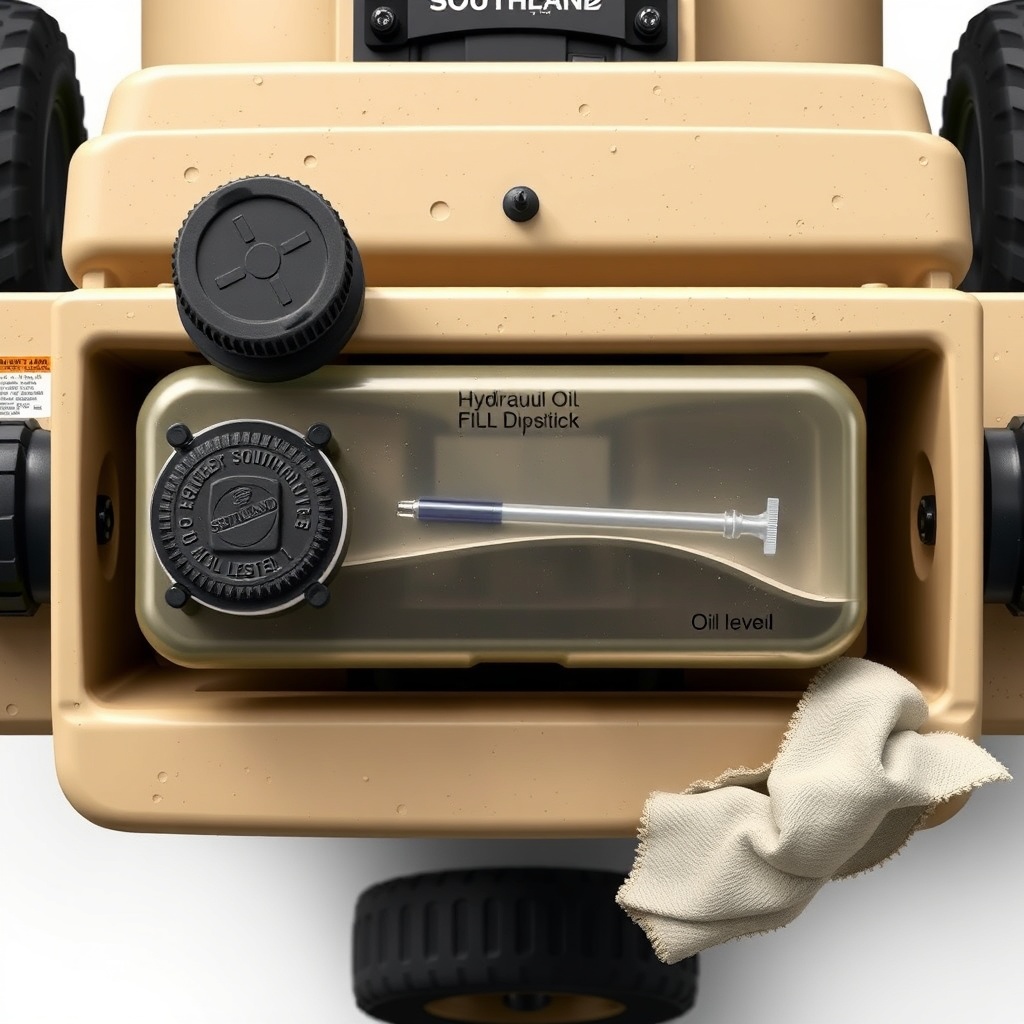
The standard recommendation for the Southland 22-Ton is to change the hydraulic oil every 50 hours of operation or once per splitting season, whichever comes first. If you split more than 10 cords per year, err toward 30–40 hours. The table below summarizes severity-based intervals.
| Usage Level | Operating Hours per Year | Recommended Oil Change Interval | Severity Indicator |
|---|---|---|---|
| Light hobby (1–3 cords) | <20 hours | Every 2 seasons or 50 hours | Low – check yearly |
| Moderate (5–8 cords) | 20–50 hours | Every 50 hours or annually | Moderate – change yearly |
| Heavy commercial (10+ cords) | 50–100 hours | Every 30–40 hours | High – change twice per season |
| Extreme (dust, high heat, continuous duty) | >100 hours | Every 25 hours | Critical – check monthly |
If you notice the oil looking dark, smelling burnt, or feeling gritty between your fingers, change it immediately regardless of hours. Refer to the Southland 22-Ton Log Splitter: Hydraulic Oil Types and Compatibility Guide for approved oil specifications.
What Tools and Supplies Do I Need for an Oil Change?
Gather the following before starting. Having everything ready minimizes oil spillage and downtime.
- Fresh hydraulic oil (typically ISO 32 or ISO 46, depending on ambient temperature – the Southland 22-Ton holds about 3.5 quarts for the reservoir and cylinder combined)
- Drain pan (at least 5-liter capacity, or 6-quart)
- Rags or heavy-duty absorbent mats
- Socket set (usually 10mm or 12mm for the drain plug, and 17mm for the fill cap)
- Funnel with a flexible hose
- Clean container for old oil disposal
- Rubber gloves and safety glasses
Never use automotive motor oil or transmission fluid. Only use premium hydraulic jack oil or anti-wear hydraulic fluid rated for log splitters. For a full discussion, see the Southland 22-Ton Log Splitter: Hydraulic Fluid Level Check and Top-Up Guide for how to check and top off between changes.
How to Drain Old Hydraulic Oil from the Southland 22-Ton
Draining is straightforward if you follow sequence. Start with a cold engine and cold oil (warm oil expands and can be messy, but if the oil is warm, allow it to cool 15 minutes after last use).
- Place the splitter on a level, paved surface. Position the drain pan under the hydraulic tank drain plug – located on the bottom of the reservoir, usually on the side near the pump.
- Wipe the area around the drain plug with a rag to prevent debris from entering the system.
- Using the appropriate socket, slowly loosen the drain plug. Be prepared for oil to start flowing. Remove the plug completely and let the oil drain into the pan. This takes 2–5 minutes.
- While draining, wipe the fill cap area clean, then remove the cap to allow air in and speed drainage. Also, extend and retract the cylinder a few times using the control lever to push remaining oil from the lines – but only do this if the reservoir is still mostly full. If the tank is nearly empty, do not cycle the cylinder as this can damage the pump.
- Once the stream slows to a drip, reinstall the drain plug with a new crush washer if applicable. Torque to 15–20 foot-pounds (20–27 N·m). Do not overtighten.
- Dispose of old oil at a local recycling center or auto parts store. Never pour it down drains or onto the ground.
For splits in the hydraulic line or leaking seals, you might need to address those first. The Southland 22-Ton Splitter: How to Adjust Hydraulic Pressure for Better Performance article covers pressure-related troubleshooting.
How to Fill the Southland 22-Ton with Fresh Hydraulic Oil
Once the old oil is drained, refilling is simple but requires care to avoid contamination.
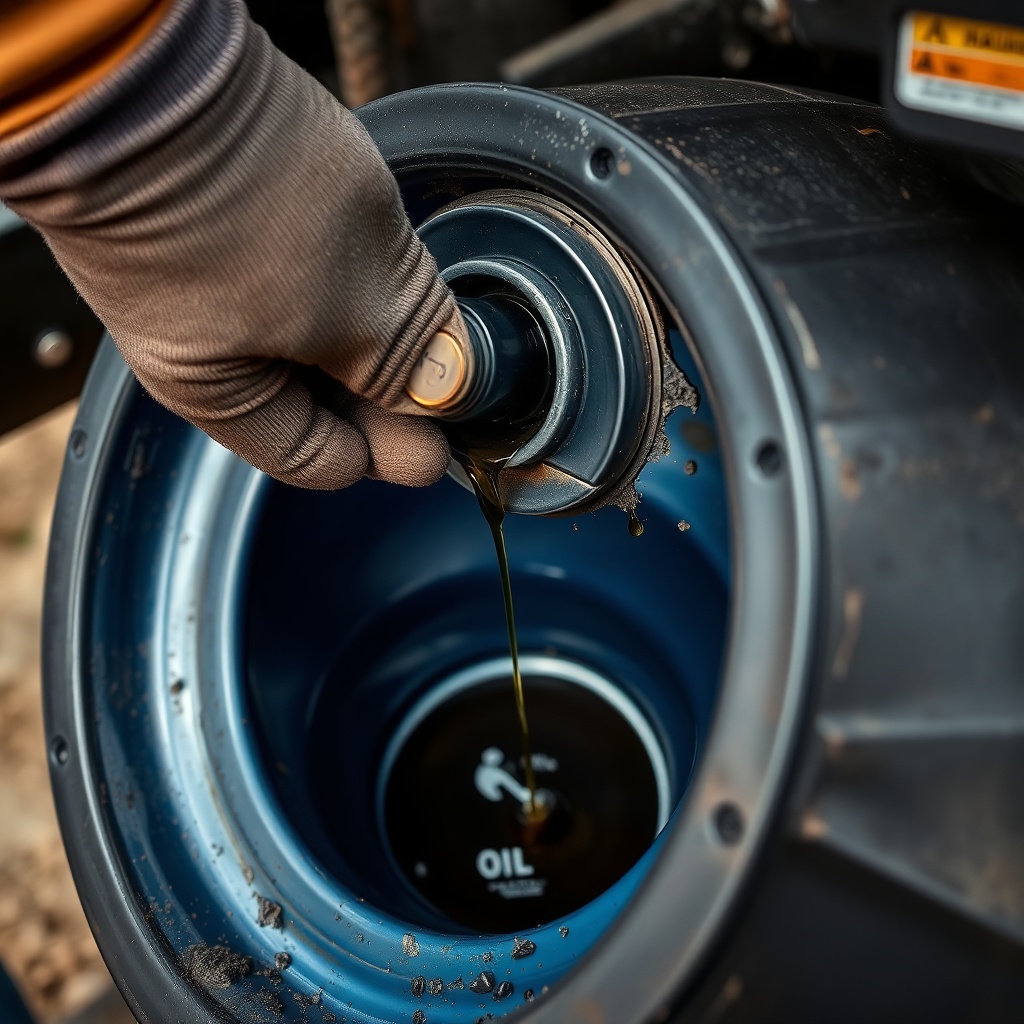
- Insert a funnel into the fill hole (located on top of the hydraulic tank, often with a yellow or red cap marked “Hydraulic Oil”).
- Slowly pour in fresh oil until the level reaches the “Full” mark on the dipstick. The Southland 22-Ton reservoir capacity is approximately 2.5 quarts when the cylinder is retracted, but the total system volume (including cylinder) is about 3.5 quarts. Always use the dipstick as your guide.
- Replace the dipstick securely. Start the engine and let it idle for 30 seconds to circulate the oil. Stop the engine and check the level again – the oil level will drop slightly as it fills the pump and lines. Top off as needed to reach the “Full” mark.
- Inspect for leaks around the drain plug, fill cap, and hose connections. Wipe any spilled oil immediately.
- Cycle the cylinder through a full extend and retract stroke three times to bleed any air from the system. Listen for unusual noises like whining or chattering – if present, shut down and check for low oil or air entrapment.
If you plan to convert your Southland 22-Ton to electric operation, the oil change procedure remains the same. Read the Southland 22-Ton Splitter: Benefits and Tips for Electric Conversion for specifics on electric motor retrofits.
What Owners Say About Maintaining the Southland 22-Ton Hydraulics
Overwhelmingly, owners report that the Southland 22-Ton hydraulic system is reliable if oil changes are not neglected. Many note that after the first season, the oil becomes noticeably darker and thicker. Owners who followed the 50-hour schedule on a 5-cord-per-year usage say the splitter still operates like new after five seasons.
One common complaint is the small fill opening – using a funnel with a flexible extension helps. A few owners recommend adding a magnetic drain plug to catch metal particles from gear pump wear. Others stress that using the wrong viscosity oil (e.g., ISO 68 in cold weather) causes sluggish performance and pump cavitation.
Several owners in northern climates switch to ISO 32 for winter and ISO 46 for summer, while those in steady, moderate climates stay with ISO 46 year-round. For those aiming to boost cycle speed, check the Southland 22-Ton Splitter: How to Upgrade Ram Speed for Faster Splitting guide – but note that a proper oil change is a prerequisite before any performance mods.
Frequently Asked Questions
- Can I use ATF (Automatic Transmission Fluid) in my Southland 22-Ton? No. ATF is not formulated for high-pressure hydraulic systems and can degrade seals. Use only anti-wear hydraulic oil like ISO 32 or ISO 46. For exact specs, see the oil compatibility guide.
- Will overfilling damage the splitter? Yes – overfilling causes excessive pressure in the tank, leading to blown seals, foaming, and reduced performance. Always check with the dipstick with the engine off and the cylinder retracted.
- How do I know if the oil is contaminated? Milky or creamy oil indicates water ingress. Dark, gritty oil signals wear particles. If you see these, change the oil immediately and consider flushing the system.
- What about the engine oil – does that change at the same time? No. The Southland 22-Ton uses a separate engine (usually 196cc) that requires its own SAE 10W-30 oil change every 25 hours. Hydraulic oil is distinct and on a different schedule.
- Can I switch from standard hydraulic oil to biodegradable oil? Yes, but you must flush the system thoroughly first. Mixing synthetic biodegradable oil with mineral-based oil can cause seal swelling and reduce performance. Full flush is recommended.
- My splitter stalls after an oil change – what’s wrong? If you used the correct viscosity and filled to the proper level, air trapped in the system is the likely culprit. Cycle the cylinder several times with the engine at low idle. If stalling persists, check the troubleshooting guide for engine stalling.