
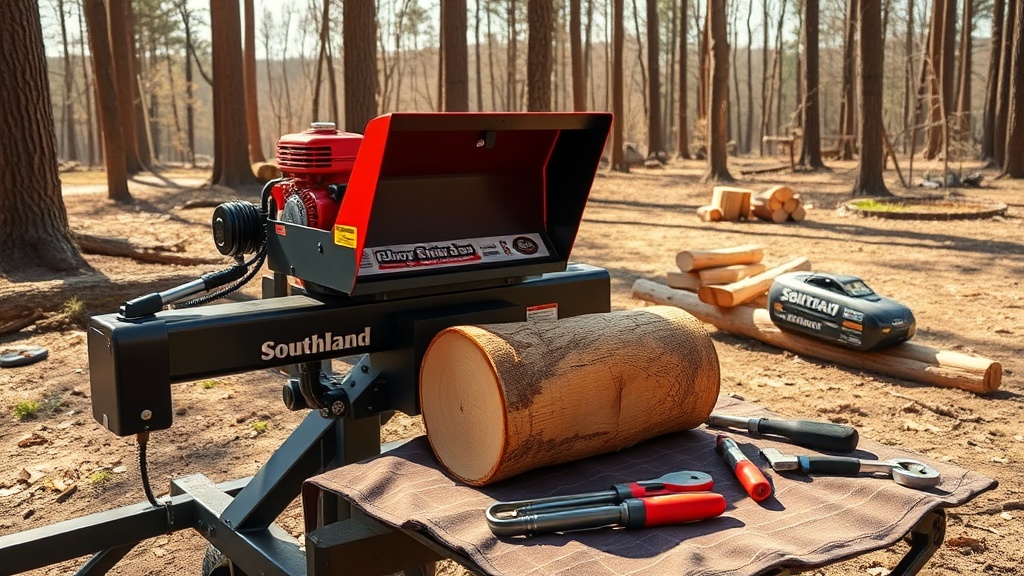
Why Does My Southland 22-Ton Log Splitter Engine Stall Under Load?
When your Southland 22-ton log splitter stalls mid-split, it disrupts the entire workflow and delays your firewood processing. This common issue often stems from a few manageable causes, ranging from fuel delivery problems to hydraulic system strain. In this guide, we’ll walk through the typical reasons for engine stalling and provide step-by-step troubleshooting steps to get your splitter running smoothly again.
Before diving into repairs, always ensure the machine is on level ground with the engine off and cooled down. Safety glasses and gloves are essential when handling fuel or hydraulic components.
What Are the Most Common Causes of Engine Stalling on the Southland 22-Ton?
Engine stalling on the Southland 22-ton usually traces back to fuel, air, or hydraulic system issues. The 22-ton model uses a typically robust engine (often a 6.5–7.0 HP four-stroke), so stalling under load often indicates a specific fault rather than a design defect. Below are the most frequent culprits:
- Clogged fuel filter or old fuel: Stale gasoline (over 30 days old) can gum up the carburetor. Replace fuel that has sat with ethanol-free, fresh gas (87 octane or higher). Check the fuel filter if equipped; replace if cloudy or blocked.
- Dirty air filter: A choked air filter restricts airflow, causing a rich fuel mixture and stalling under load. Clean or replace the foam or paper filter every 25 operating hours.
- Low hydraulic fluid level: If the hydraulic system is low, the pump can cavitate, straining the engine. Check fluid level with the ram fully retracted and engine running at idle (see our Hydraulic Fluid Level Check and Top‑Up Guide).
- Worn spark plug or ignition issues: A weak spark fails to ignite fuel under heavy load. Inspect the spark plug for carbon buildup or gap wear (0.030-inch gap recommended).
- Carburetor misadjustment: The idle mixture screw might be set too lean. Refer to your owner’s manual for baseline settings (typically 1.5 turns out from lightly seated).
Start by eliminating the simplest cause—stale fuel—then work through the list systematically. Many owners resolve stalling with a fresh tank of gas and a new spark plug.
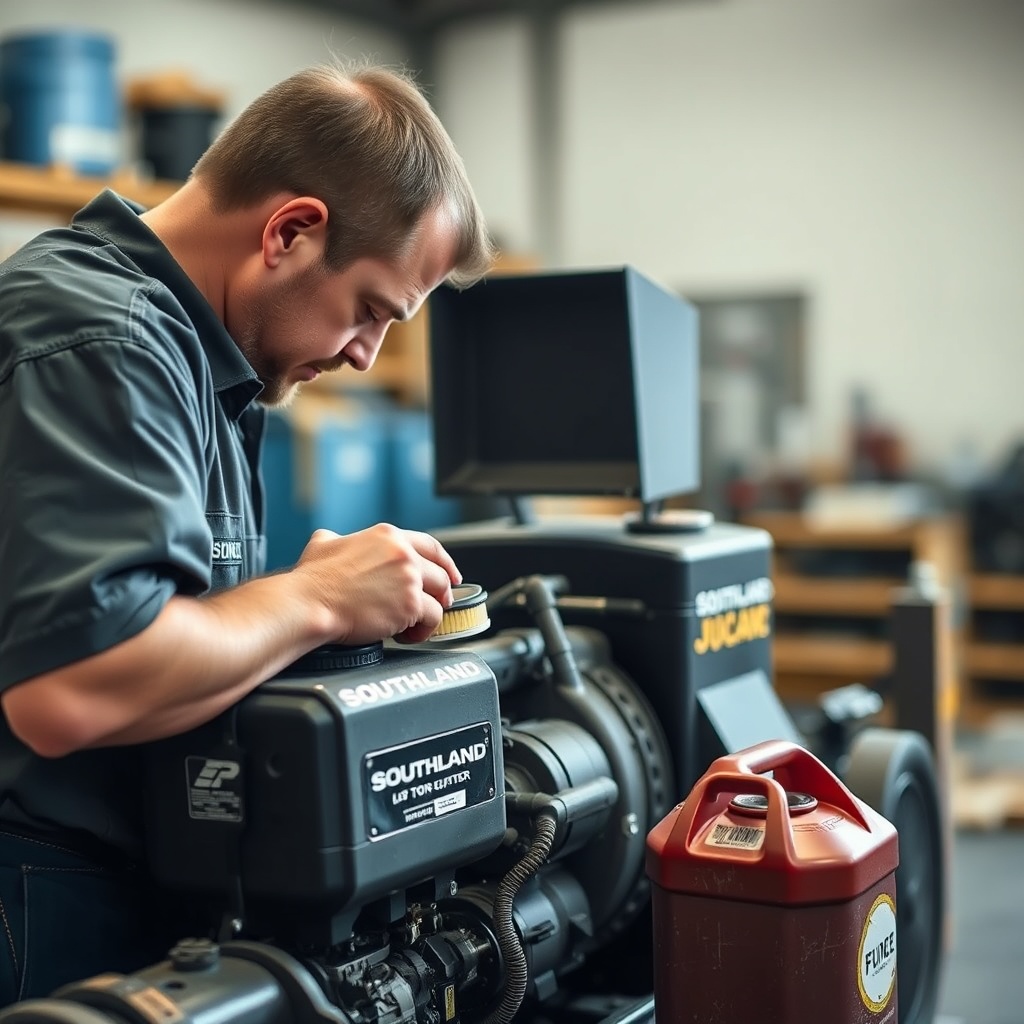
How Do I Diagnose a Fuel Delivery Problem on My Southland 22-Ton?
A fuel delivery issue is the number one cause of engine stalling. When the engine starts fine cold but stalls after a few splits, try this diagnostic procedure:
- Check the fuel shut-off valve: Ensure it’s fully open. Many models have a lever under the tank.
- Test for fuel flow: Disconnect the fuel line at the carburetor inlet (use a small container). If gas doesn’t flow freely, the tank vent or fuel filter is clogged.
- Inspect the carburetor bowl: Remove the bowl (two screws) and check for water or varnish. Clean with carburetor spray if needed.
- Verify choke operation: A stuck choke that remains partially engaged can flood the engine. Ensure the choke plate moves freely and closes fully for cold starts and opens completely when warm.
If fuel flows fine but the engine still stalls, the jets inside the carburetor may be partially blocked. A thorough cleaning or using a fuel additive stabilizer can help. For persistent issues, consider upgrading to an electric start or a pulse fuel pump kit, but first rule out the fuel filter and tank vent.
| Symptom | Likely Cause | Severity | Fix Time |
|---|---|---|---|
| Engine starts, stalls after 30 seconds | Clogged fuel tank vent or filter | Moderate | 15–30 min |
| Stalls only when splitting hardwood | Low hydraulic fluid or worn pump | High | 30–60 min |
| Stalls after 5 minutes of use | Air filter dirty or fuel line vapor lock | Low | 10–15 min |
| Engine backfires then stalls | Carburetor adjustment too lean | Moderate | 20–30 min |
| Stalls immediately when engaging log | Hydraulic oil overheating or low level | Critical | 1 hour (includes cooldown) |
Can Low Hydraulic Fluid Cause Engine Stalling on the Southland 22-Ton?
Yes, absolutely. The hydraulic pump is directly driven by the engine via a belt or direct coupling. When the hydraulic fluid level is low, the pump may cavitate, creating air bubbles that reduce efficiency. The engine then works harder to maintain ram speed, leading to stalling under load. This is especially common after a leak or if the fluid hasn’t been checked in a while.
To check hydraulic fluid: With the engine off and ram fully retracted, locate the dipstick or fill plug on the hydraulic tank (usually near the pump). Clean the area around the plug, remove it, and check the level. The oil should be at the “full” mark or within 1 inch of the top if no dipstick. Use only recommended hydraulic oil—see our Hydraulic Oil Types and Compatibility Guide for the correct viscosity (typically ISO 32 or 46, depending on ambient temperature).
If the fluid level is fine but stalling persists, you may have a hydraulic leak or air in the system. Bleeding the system involves cycling the ram through full strokes about 10 times with the engine at low throttle. If the problem continues, check for damaged hoses or seals. A worn hydraulic pump can also cause excessive drag, but that is rare on the Southland 22-ton if properly maintained.
How Do I Troubleshoot Ignition and Spark Plug Issues on the Southland 22-Ton?
A weak or inconsistent spark can cause stalling, especially when the engine is under load from splitting tough wood. Here’s how to tackle ignition problems:
- Remove and inspect the spark plug: Use a 13/16-inch socket. Look for heavy black soot, wet fuel, or physical damage. If the electrode is worn or the porcelain cracked, replace it with an equivalent (e.g., BPR6ES or similar). Gap to 0.030 inches.
- Test for spark: Attach the spark plug wire to the plug, ground the plug body against the engine block, and pull the starter rope (or use electric start). A bright blue spark indicates good ignition. A weak orange spark means the coil or magneto is failing.
- Check the ignition coil air gap: The magneto armature (coil) should have a 0.008–0.012 inch gap from the flywheel. Use a business card as a feeler gauge.
- Inspect the kill switch and wiring: Loose or corroded connections to the low-oil shutoff sensor or kill switch can cause intermittent stalling. Clean terminals with contact cleaner.
If you have a faulty ignition coil, replacement coils are widely available and cost around £15–£25. Always test the spark before assuming the carburetor is the problem—it saves hours of unnecessary disassembly.
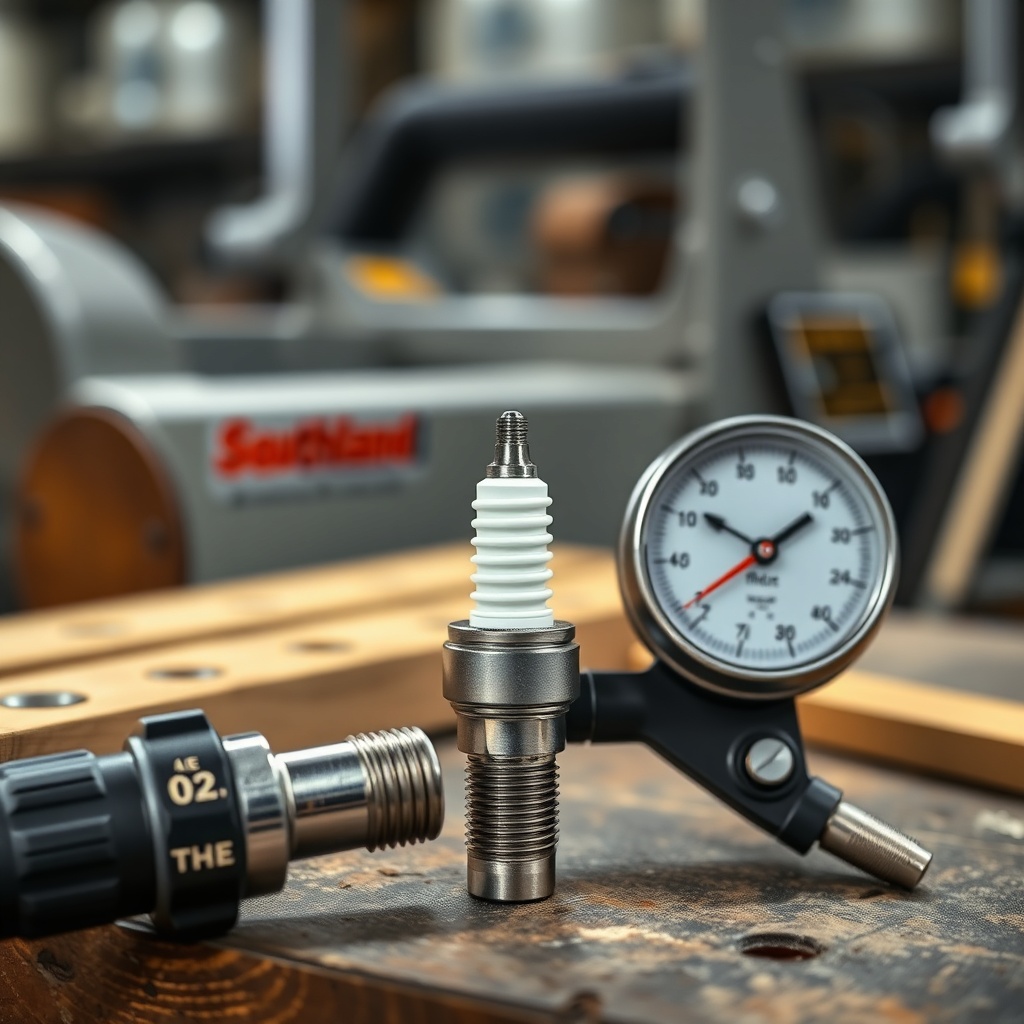
What Engine Adjustments Can Prevent Stalling on My Southland 22-Ton?
After checking fuel and ignition, the next step is proper engine tuning. The Southland 22-ton’s engine (often a generic OHV 6.5–7 HP) has a carburetor with adjustable idle and main jets. Here’s how to dial it in:
- Idle speed: With the engine warmed up, adjust the throttle stop screw so the engine idles at 1,800–2,200 RPM (check with a tachometer). Too low of an idle will cause stalling when the hydraulic pump engages.
- Carburetor mixture screws: There are two types—fixed main jet (non-adjustable) or adjustable. If adjustable, the low-speed screw (often near the throttle plate) should be set to 1.5–2 turns out. Turn in ¼-turn increments if the engine hesitates, or out if it runs rich (black smoke).
- Choke check: Ensure the choke fully opens when the control lever is moved to “run.” A partially engaged choke enriches the mixture, causing stalling under load.
- Valve clearance (advanced): If you’re mechanically inclined, check the intake and exhaust valve lash (typically 0.003–0.006 inch). Tight valves cause compression loss and stalling.
If you’ve adjusted everything but the engine still stalls, it might be time to consider an electric conversion. Many users upgrade to a 2.5–3.0 kW electric motor for quieter, stall-free operation, though it requires a nearby mains outlet.
What Do Southland 22-Ton Owners Say About Engine Stalling?
Community feedback from forums and owner reviews reveals that stalling is frustrating but usually fixable. Common owner quotes include:
- “I thought my engine was shot, but it was just the air filter clogged with sawdust. Cleaned it with compressed air and it’s been fine for months.” – John R., UK
- “The 22-ton is powerful, but it does stall if you let the hydraulic fluid get low. I now check it every 5 hours of use.” – Karen T., Canada
- “I replaced the spark plug and added STA-BIL to my fuel, and the stalling stopped completely. The ethanol in pump gas is a nightmare.” – Mike L., US
- “I tried electric conversion because of constant stalling. Now it runs flawlessly, but it’s not portable. Worth it for my workshop.” – Dave S., Australia
- “Make sure the engine oil is full too! The low-oil sensor will cut the engine if it’s low, and I thought it was stalling. Doh!” – Tom B., UK
Many owners stress the importance of regular maintenance: checking the hydraulic fluid level and changing the oil every 50 hours. For those with persistent hydraulic issues, adjusting the system pressure can help—see our Hydraulic Pressure Adjustment Guide for safe tuning.
Frequently Asked Questions
Why does my Southland 22-ton log splitter stall when I try to split a log?
This is usually due to low hydraulic fluid, a dirty air filter, or a clogged fuel filter. Check these three items first. If the engine stops immediately when the wedge contacts the log, the hydraulic pump may be failing or the engine lacks power from stale fuel.
How often should I change the spark plug on my Southland 22-ton?
Replace the spark plug every 100 operating hours or once per season, whichever comes first. Use a standard BPR6ES plug (or equivalent) gapped to 0.030 inches. A new plug prevents misfiring and stalling.
Can I use regular car gasoline in the Southland 22-ton splitter?
Yes, use regular unleaded gasoline with an octane rating of 87 or higher. Avoid ethanol blends over 10% (E10), as ethanol attracts moisture and can cause carburetor issues. If using E10, add a fuel stabilizer and drain the carburetor bowl before storage.
How do I bleed air from the hydraulic system after a fluid change?
After refilling with fresh hydraulic oil, start the engine at idle and extend and retract the ram fully 10–15 times. This forces air out of the system. If the ram jerks or stalls, let the engine run at low throttle for 5 minutes and repeat.
What is the correct hydraulic oil for the Southland 22-ton splitter?
Use AW-32 (ISO 32) hydraulic oil for temperatures above 5°C, or AW-46 for warmer climates. Refer to our Hydraulic Oil Types and Compatibility Guide for detailed recommendations. Never use motor oil or transmission fluid, as it can damage the seals.
Is an electric conversion worth it for the Southland 22-ton?
Many owners find electric conversion beneficial if they split wood near a mains outlet and want quiet, stall-free operation. It eliminates fuel-related stalling entirely. See our Electric Conversion Benefits and Tips for cost and installation details. However, you lose portability, so weigh your priorities.