
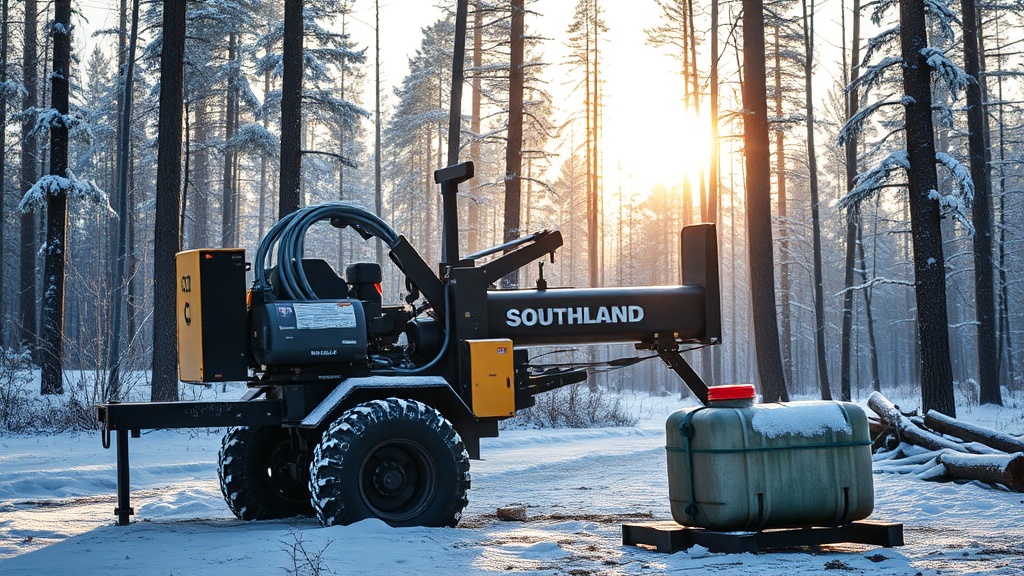
Why Does the Southland 22-Ton Splitter Struggle in Cold Weather?
The Southland 22-Ton log splitter is a robust machine, but its performance can degrade significantly when temperatures drop below freezing. Cold weather thickens hydraulic fluid, making it sluggish, and can cause the gasoline engine to start poorly or stall under load. This article focuses on maintenance-repair strategies to ensure reliable cold-weather operation, including starting tips and fluid care for the Southland 22-Ton.
Understanding the splitter’s hydraulic system and engine behavior in cold conditions is crucial. You will learn practical steps to diagnose issues, perform seasonal maintenance, and avoid common pitfalls that lead to downtime. This guide covers everything from oil viscosity to battery care, with reference to related upgrades like the H2: Southland 22-Ton Splitter: How to Upgrade Ram Speed for Faster Splitting if ram speed remains slow after a cold start.
What Hydraulic Oil Should I Use for Cold Weather Operation?
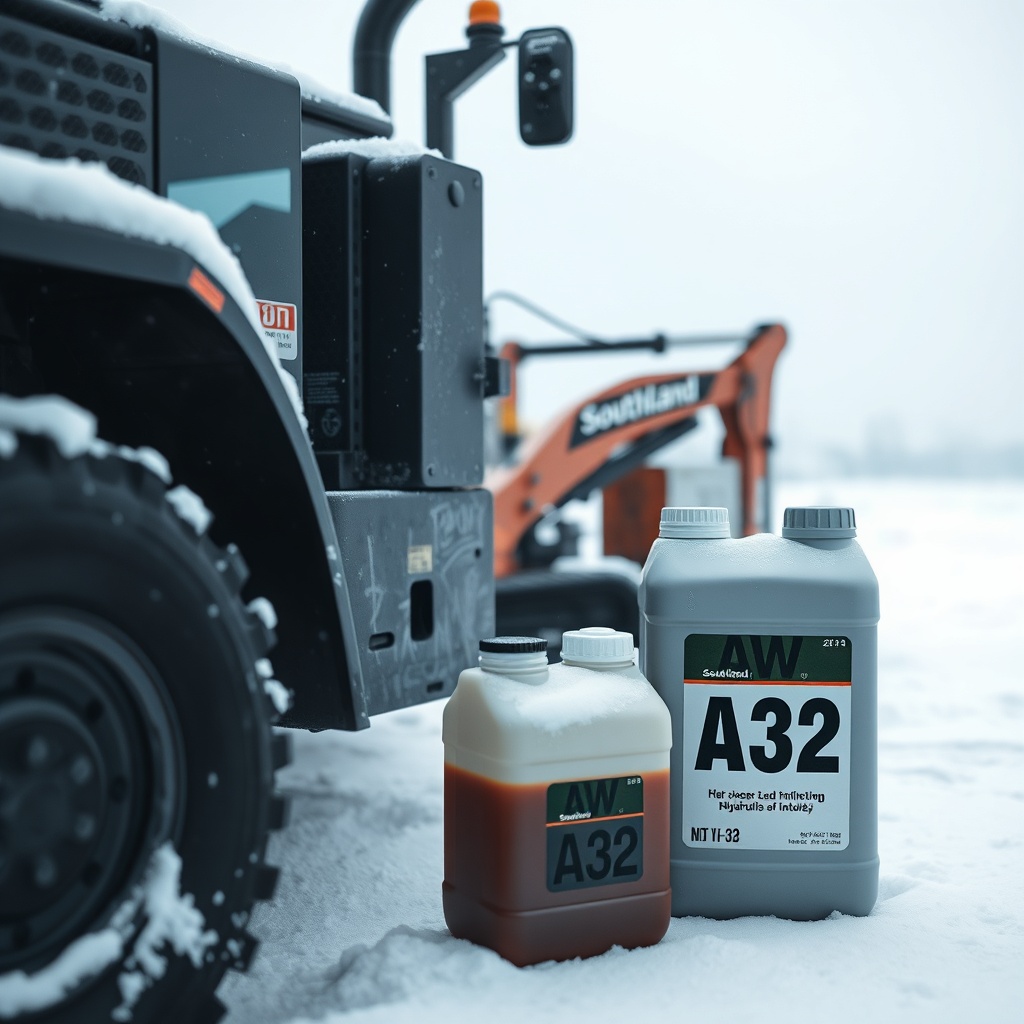
The hydraulic oil viscosity is the primary factor affecting cold-weather performance. The Southland 22-Ton typically uses AW 32 or AW 46 hydraulic oil, but in temperatures below 40°F (4°C), AW 32 is preferable due to its lower viscosity index. Running AW 46 in freezing conditions causes cavitation, slow ram movement, and increased strain on the pump.
If you live in an area with prolonged sub-zero winters, consider a multi-grade hydraulic oil like ISO VG 32 with a pour point below -30°F (-34°C). A full cold-weather hydraulic oil change is recommended before winter. Refer to the H2: Southland 22-Ton Splitter: Hydraulic Oil Change Frequency Guide for exact intervals and procedures.
Cold-Weather Hydraulic Oil Comparison
| Oil Type | Viscosity Grade | Pour Point | Min. Operating Temp | Recommendation |
|---|---|---|---|---|
| Standard AW 46 | ISO VG 46 | -15°C (5°F) | Above 10°C (50°F) | Avoid in deep cold |
| Cold-Weather AW 32 | ISO VG 32 | -30°C (-22°F) | Down to -20°C (-4°F) | Good for mild winters |
| Multi-Grade Hydraulic | ISO VG 32/46 | -40°C (-40°F) | Down to -30°C (-22°F) | Best for extreme cold |
| Full Synthetic (AW 15) | ISO VG 15 | -50°C (-58°F) | Down to -40°C (-40°F) | Severe winter use |
Always drain the old oil when cold, then fill with the new grade. Running the splitter for a few seconds without load helps circulate the new fluid. Avoid mixing different viscosities.
How Do I Start the Southland 22-Ton Engine in Sub-Freezing Temperatures?
Cold starting the Honda GX200 or similar engine on the Southland 22-Ton requires patience and preparation. Begin by checking the fuel: use fresh, winter-grade gasoline (e.g., 87 octane with up to 10% ethanol) and consider adding a fuel stabilizer with an anti-gel additive. Old fuel can cause hard starting due to condensation and phase separation.
Before turning the key, warm the engine block if possible. Use a magnetic engine block heater or a heat lamp directed at the cylinder head for 15–20 minutes. This warms the oil and helps the carburetor atomize fuel better. If the engine has a primer bulb, press it 5–10 times until you see a steady stream of fuel in the clear line. For electric-start models, ensure the battery is fully charged (12.6V or higher) and clean the terminals to prevent voltage drop.
Do not crank for more than 10 seconds at a time. If it doesn’t start, wait 30 seconds and try again. If it still fails, check the spark plug gap (0.028–0.031 inches) and replace if fouled. Use a hotter spark plug (e.g., NGK BP5ES instead of BP6ES) for winter starting. For persistent engine stalling issues, see H2: Southland 22-Ton Log Splitter: How to Troubleshoot Engine Stalling.
Cold Start Sequence Summary
- Use fresh winter fuel with stabilizer.
- Warm engine block with external heat.
- Prime fuel system (primer bulb or choke).
- Crank in short bursts (max 10 sec).
- Check spark plug and battery condition.
Why Does the Hydraulic Ram Move Slowly in Cold Weather, and How to Fix It?
Slow ram speed is a common complaint when temperatures drop. The hydraulic pump cavitates as thick oil creates suction resistance. This reduces flow and pressure, making cycles take 2–3 times longer. The solution involves both oil viscosity (as covered) and preheating the system.
To warm the hydraulic oil quickly, run the splitter at idle for 2–3 minutes after starting. Then cycle the log lift and wedge without load for another minute. This circulates oil through the pump and cylinder, raising temperature by conduction. If the oil remains thick despite warming, consider an H2: Southland 22-Ton Splitter: How to Adjust Hydraulic Pressure for Better Performance—but note that adjusting pressure does not reduce viscosity; it only compensates for minor flow issues.
In extreme cold, some owners install a hydraulic oil heater (e.g., a stick-on element on the reservoir) to preheat the sump overnight. This is common in professional setups. Also check the suction screen inside the reservoir—cold oil can clog it with debris, starving the pump. Clean the screen annually before winter.
How to Prevent Hydraulic Moisture Contamination in Winter?
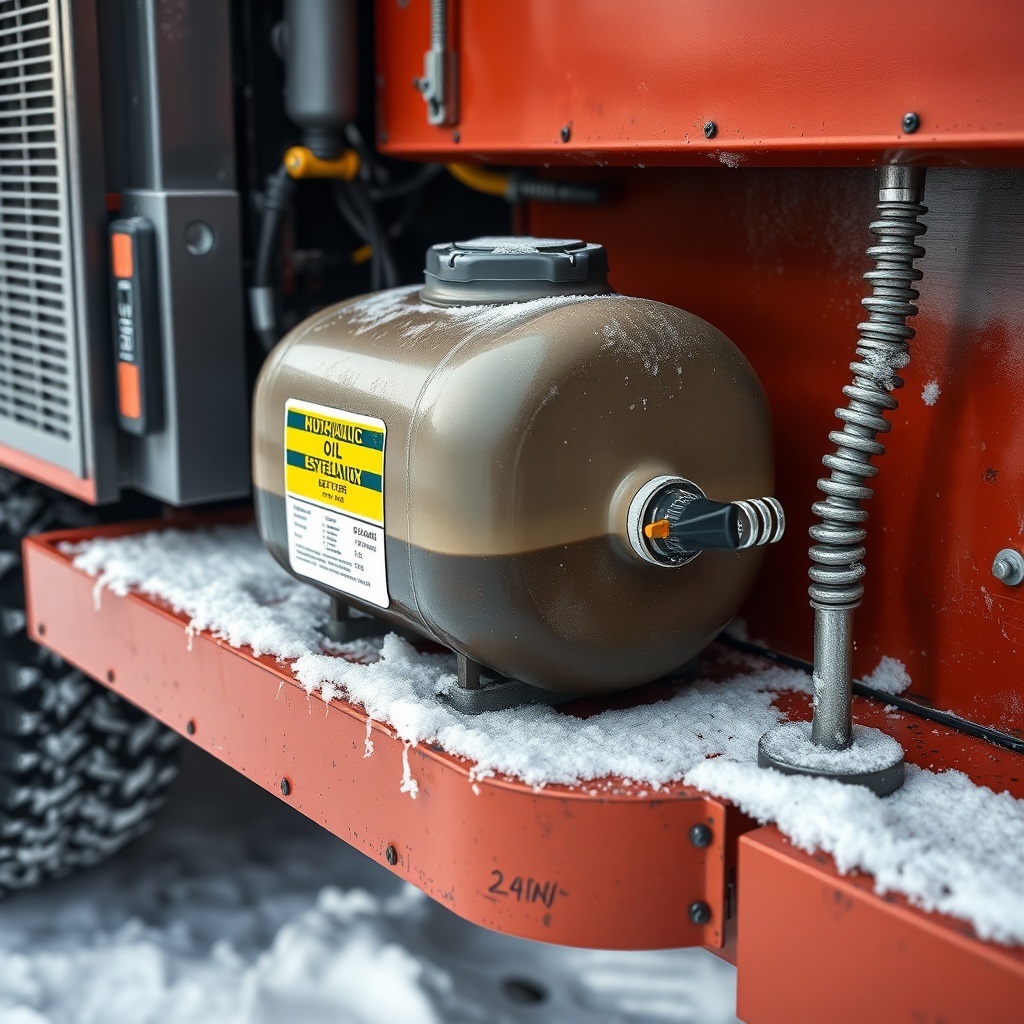
Condensation inside the hydraulic reservoir is a major cause of pump wear and valve sticking in cold climates. As the splitter cools overnight, warm moist air enters the reservoir vent, then condenses into water droplets. This water emulsifies with oil, forming a milky slush that damages seals and reduces lubrication.
To prevent this, keep the reservoir full to minimize air volume. Check the vent cap—it should have a moisture-absorbing filter (desiccant breather) if possible. After each use, run the splitter for a few minutes to warm the oil and drive out moisture through the vent. Adding a hydraulic oil additive with water emulsifying properties (like Lucas Hydraulic Oil Additive) can also help suspend water until the oil is changed.
Change the hydraulic oil more frequently in winter—every 50 hours of operation instead of 100 hours—to remove accumulated moisture. Consult the H2: Southland 22-Ton Splitter: Hydraulic Oil Change Frequency Guide for specific intervals tailored to your climate.
What Are the Most Common Cold-Weather Repair Issues Owners Face?
Frozen Fuel Lines and Carburetor Ice
Vapor lock from ice inside the fuel line can cause engine sputtering or a no-start condition. Use an inline fuel filter water separator and add a fuel heater (electric or coolant-based) if operating in heavy snow. Check the carburetor bowl—ice can form if there’s water in the fuel. Drain the bowl monthly in winter.
Battery Failure
Cold weather reduces battery capacity by 30–50%. The stock battery on the Southland 22-Ton (usually 12V 9Ah) may not have enough cold cranking amps (CCA) at -10°F. Upgrade to a 12V 18Ah battery with higher CCA for reliable electric starts. Keep the battery on a trickle charger when not in use.
Sticking Control Valve
Thickened oil can cause the valve spool to stick, leading to slow or jerky ram movement. Spray a silicone-based lubricant on the valve stem and cycle the valve 20–30 times with the engine off to free it. Do not use WD-40, as it attracts dirt.
Severity Ratings for Common Cold-Weather Issues
| Issue | Likelihood | Severity (1–10) | Repair Cost (USD) |
|---|---|---|---|
| Hydraulic oil too thick | High (below 40°F) | 6 | $25–$60 (oil change) |
| Engine hard start | Moderate (below 20°F) | 5 | $0–$30 (fuel additive) |
| Battery failure | Moderate (below 0°F) | 7 | $40–$80 (new battery) |
| Moisture contamination | Moderate (frequent use) | 8 | $50–$100 (oil change + additive) |
| Sticking valve | Low (after maintenance) | 4 | $10 (lubricant) |
What Owners Say About Winter Performance and Solutions
Many Southland 22-Ton owners in northern states like Minnesota and Wisconsin report that switching to AW 32 hydraulic oil and installing an engine block heater solved 90% of their cold-start problems. One reviewer noted that after adding a stick-on oil heater to the reservoir, the ram speed increased by 40% on a 10°F day. Another owner mentioned that replacing the stock spark plug with a hotter heat range eliminated a recurring stall after 15 minutes of operation.
Common praise includes the splitter’s robust steel construction and the ease of performing an H2: Southland 22-Ton Splitter: Benefits and Tips for Electric Conversion as a permanent cold-weather solution (electric motors start instantly in any weather). Criticisms focus on the lack of a cold-weather kit from the factory and the need for aftermarket modifications. Overall, owners agree that proactive maintenance makes the Southland 22-Ton reliable even in harsh winters.
Frequently Asked Questions
Can I use diesel engine oil in the hydraulic system for winter?
No. Diesel engine oil lacks anti-foaming and anti-wear additives required for hydraulic pumps. Stick to dedicated hydraulic oil designed for cold climates.
How long should I let the splitter warm up before splitting?
At least 3–5 minutes at idle, then another 2 minutes cycling the splitter without load. In sub-zero conditions, extend to 10 minutes total.
Will using a synthetic hydraulic oil void my warranty?
No, as long as the viscosity matches manufacturer recommendations (AW 32 or equivalent). Synthetic oils often exceed OEM specifications.
Why does my engine die after 20 minutes in cold weather?
This is likely carburetor ice or a fuel filter clogged with water. Drain the carburetor bowl and replace the inline fuel filter. Use a fuel additive that prevents icing.
Is it safe to store the Southland 22-Ton outdoors in winter?
Yes, but cover the engine and hydraulic reservoir with a tarp. Remove the battery and store it inside. Use a fuel stabilizer and fill the tank to prevent condensation.
Can I upgrade the splitter for electric start in winter?
Yes. The H2: Southland 22-Ton Splitter: Electric Conversion Fuel Savings Analysis details cost savings, and the conversion eliminates cold-start engine issues entirely.