
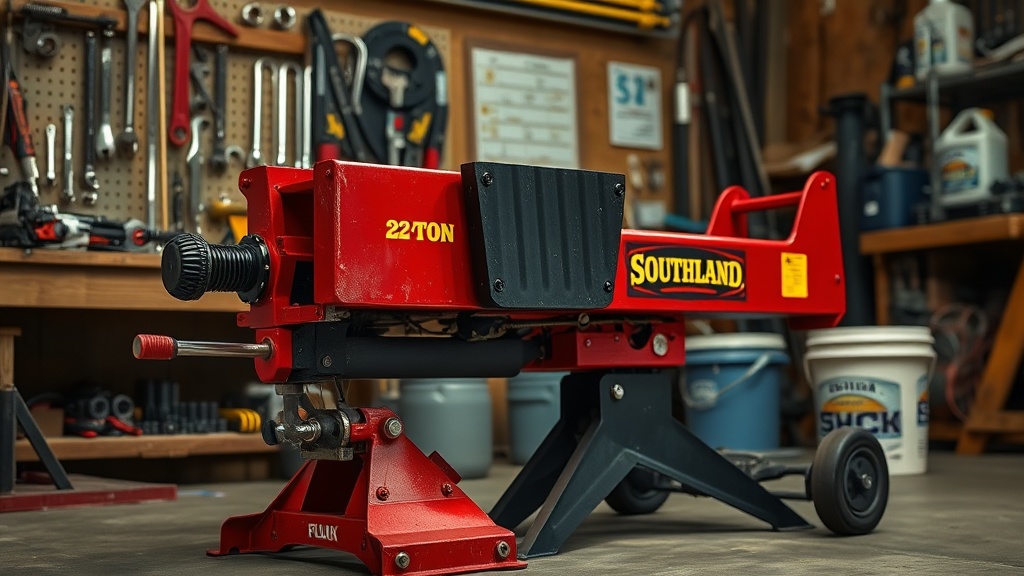
Introduction to Replacing the Hydraulic Cylinder on a Southland 22-Ton Log Splitter
The Southland 22-Ton log splitter is a robust machine for heavy-duty firewood processing, but even its durable hydraulic cylinder can fail under constant use. When seals blow or the rod pits, replacing the entire cylinder is often more cost-effective than a rebuild, especially given the $180–$260 USD cost of a new cylinder versus potential downtime with spotty seal availability. This guide walks you through the complete removal and installation of the hydraulic cylinder on a Southland 22-Ton splitter, covering safety, tools, and detailed procedures to get your splitter back in operation within a single afternoon.
What Tools Do I Need for a Southland 22-Ton Cylinder Swap?
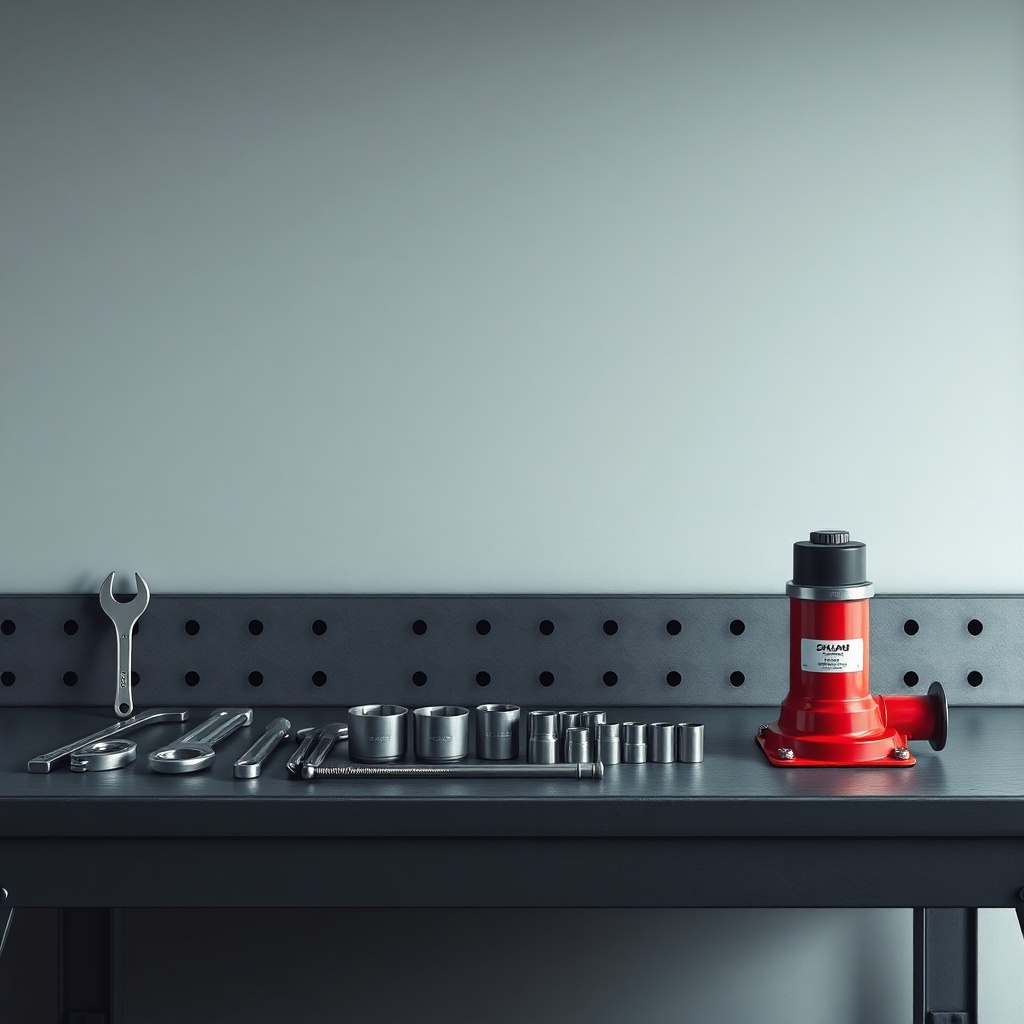
Before you begin, gather all necessary tools to avoid mid-job interruptions. A Southland 22-Ton hydraulic cylinder is secured with high-grade fasteners, and the oil lines require specific wrenches. Here is a complete checklist:
- Heavy-duty pipe wrenches: Two 18-inch pipes wrenches for breaking hydraulic fittings (use cloth to protect chrome plating).
- Socket set: 1/2-inch drive metric sockets (13mm, 17mm, 19mm) for cylinder mount bolts and beam brackets.
- Allen wrenches: 5mm and 6mm for set screws on tie-rod cylinders (if present).
- Hydraulic jack: A 2-ton or larger shop jack to support the cylinder during removal.
- Catch container: 5-gallon pail for draining hydraulic fluid (expect about 3–4 gallons).
- Thread sealant: Loctite 567 for NPT fittings (avoid Teflon tape, which can shred into valves).
- Safety gear: Safety glasses, mechanic’s gloves, and closed-toe steel boots.
Optional but helpful: an Southland 22-Ton hydraulic seal replacement guide if you decide to attempt a seal rebuild instead of a full cylinder swap, but for this article we focus on the complete unit replacement.
How Do I Safely Detach the Hydraulic Lines from the Cylinder?
Begin the replacement by relieving all hydraulic pressure. Start the splitter engine, lower the wedge completely, and shut off the engine. Cycle the valve handle back and forth to bleed any trapped pressure. Place the 5-gallon pail under the cylinder ports. Use two pipe wrenches: one to hold the fitting on the cylinder, another to loosen the hose nut. Counter-hold to avoid twisting the steel brake line (common on Southland models). Loosen both the pressure line (larger port) and return line (smaller port). Fluid will drain; let it flow slowly to reduce splashing. For a Southland 22-Ton, expect about 3 gallons of AW32 or AW46 oil. Immediately cap the hose ends with clean rags or plastic plugs to prevent debris ingress. Mark each line with a piece of tape—label “P” for pressure and “R” for return—to simplify reconnection later.
What Is the Step-by-Step Removal of the Mounting Bolts?
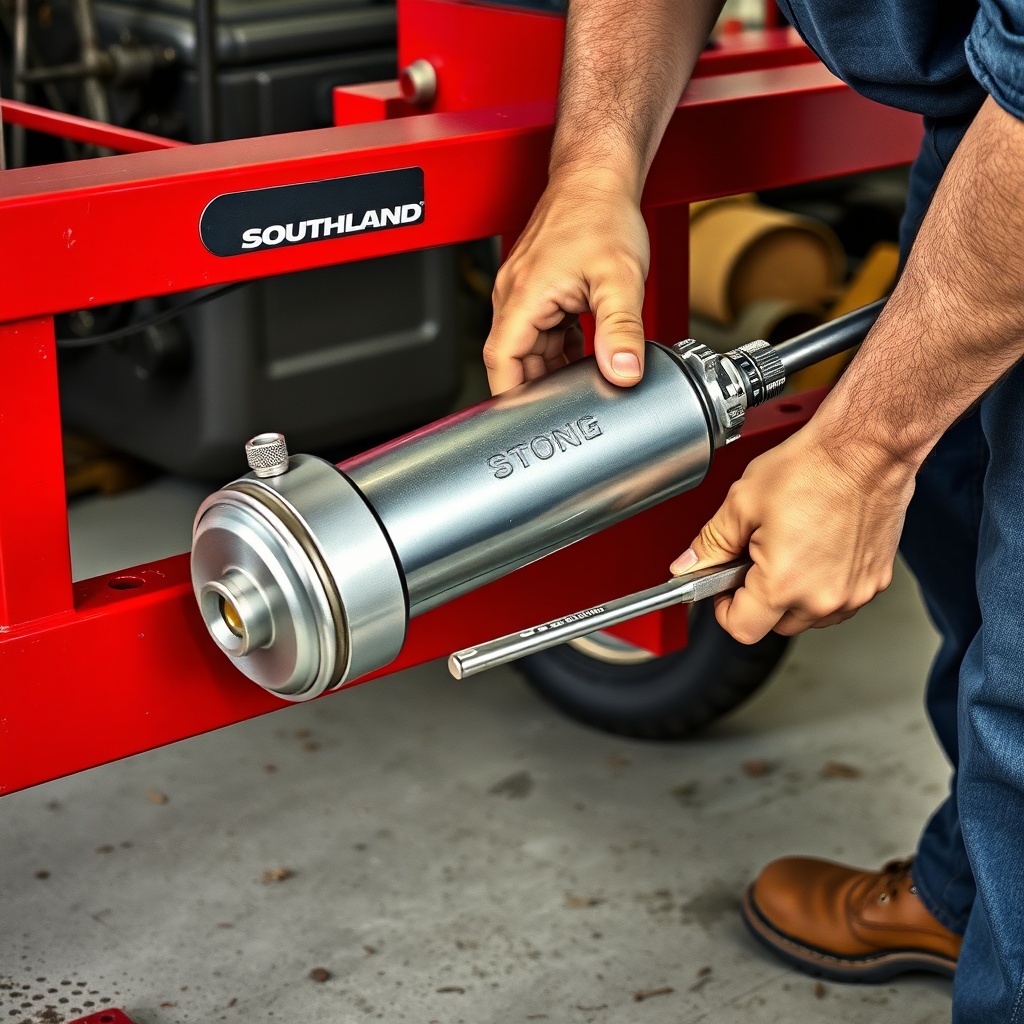
With the lines disconnected, the cylinder remains secured by two to four mounting bolts at the beam end and a clevis pin at the wedge end. On the Southland 22-Ton splitter, the cylinder is typically mounted with two 1/2-inch bolts through a flange at the rear of the beam, plus a 5/8-inch clevis pin with cotters at the wedge slide. First, remove the cotter pins from the wedge clevis using pliers, then tap out the clevis pin with a hammer and punch. Support the cylinder’s weight with a hydraulic jack placed under the cylinder barrel. Next, remove the two rear bolts using a 13mm socket (some Southland models use 17mm heads). Carefully lower the cylinder onto the jack, maneuvering it out from under the beam. The cylinder weighs approximately 45 pounds (20 kg) for the 4-inch bore version; have a second person help slide it out if balancing is tricky. Once free, inspect the old cylinder for rod pitting or scoring that caused the failure—a common cause on Southland 22-Ton units that saw heavy use without proper hydraulic filtration.
How Do I Install the New Hydraulic Cylinder Correctly?
Before installation, compare the new cylinder to the old one: measure the retracted length (center-to-center pins), stroke, and port locations. Southland 22-Ton cylinders are typically 25 inches collapsed, 42 inches extended, with a 4-inch bore. Apply a thin coat of hydraulic oil to the rod to protect seals during handling. Slide the cylinder under the beam, using a jack to raise it into position. Insert the rear mounting bolts (torque to 55–65 ft-lbs for 1/2-inch grade 8 bolts). Align the wedge clevis, insert the new clevis pin (using the new hardware often included with the cylinder), and secure with new cotter pins. Many owners recommend applying anti-seize to the clevis pin for future removal. For the hydraulic connections, wrap the NPT threads on the cylinder ports with Loctite 567—do not use Teflon tape as small pieces can clog the hydraulic valve. Tighten fittings with a torque of 25–35 ft-lbs (handling them with a wrench: firm but not over-tightened). If you are using a cylinder from a generic replacement, note that Southland sometimes uses JIC fittings; adapters may be required—check the thread pitch (typically SAE ORB for the cylinder ports). For step-by-step help if upgrading to a motorized splitter, see Southland 22-Ton Splitter: Step-by-Step Guide to Electric Conversion.
How Do I Refill Hydraulic Fluid and Bleed the System?
After reassembly, fill the reservoir with fresh AW32 hydraulic oil to the full mark—the Southland 22-Ton holds approximately 4.5 gallons (17 liters). Start the engine and run it at idle for 10–15 seconds, then check for leaks at all line connections. Engage the wedge to cycle the ram about 3–5 times with no load to push air through the system. Retract the wedge fully, then extend halfway and hold the valve for 5 seconds to purge any trapped bubbles from the cylinder. Check the fluid level and top up if needed—air will compress and cause spongy operation. If the splitter “chatters” or moves erratically, stop and let oil settle, then repeat the bleed cycle. For persistent air issues, crack the pressure line fitting at the cylinder slightly (with engine off) while operating the valve slowly until oil seeps out—this releases large air pockets. Tighten and test. This process ensures the cylinder operates without cavitation damage.
| Parameter | Value |
|---|---|
| Recommended Fluid | AW32 or AW46 hydraulic oil |
| Total Reservoir Capacity | 4.5 gallons (17 liters) |
| Bleed Procedure Duration | 5–10 minutes at idle |
| Fluid Change Interval | Every 500 hours or yearly |
| Potential Leak Points | Port fittings, ram seal, drift valve |
What Do Owners Say About the Southland 22-Ton Cylinder Replacement?
Experienced owners of the Southland 22-Ton splitter generally find the cylinder replacement to be a manageable DIY job, though they caution about specific quirks. “The old cylinder’s rod had rust pits from leaving it extended over winter; the new one cost $220 at Tractor Supply—saved me $500 in shop labor,” reports a forum user. Others emphasize the importance of using the right thread sealant: “Tefflon tape caused my valve to stick after 10 logs; use Loctite 567 instead.” Many note that the new cylinders often come with mismatched port sizes—for example, the pressure port being 1/2-inch NPT versus the original 3/8-inch—requiring a bushing. “Check your old fittings before buying; I had to go back to the store for adapters,” shared a Michigan firewood maker. Most agree to replace the hydraulic return line filter (a $15 filter) at the same time to prevent contamination from the old cylinder debris. Overall, owners rate the replacement difficulty at 3 out of 5 stars, with the main challenge being lifting the 45-pound cylinder alone under the beam.
Frequently Asked Questions
Q1: How long does it take to replace the hydraulic cylinder on a Southland 22-Ton splitter?
A1: Expect 2–3 hours for a first-time swap, including draining fluid, removal, installation, and bleeding. Experienced users complete it in about 1.5 hours.
Q2: Can I use a generic hydraulic cylinder from another brand?
A2: Yes, but ensure the bore (4 inches), stroke (approximately 25 inches), and port thread (usually SAE #12 ORB or 3/4-16 UNF) match. The mounting distance between pin centers must match exactly—measure before ordering.
Q3: What should I do if the new cylinder’s ports are a different size?
A3: Use a brass or steel NPT-to-JIC adapter bushing. For example, if the cylinder has 1/2-inch NPT and your hoses have 3/8-inch NPT, get a bushing from a hydraulic supply store ($4–8). Avoid mixing aluminum fittings.
Q4: Why does my splitter not move after cylinder replacement?
A4: The system likely has trapped air. Cycle the wedge full extend and retract 5 times at idle. If still stuck, crack the pressure fitting at the cylinder to purge air—ensure the engine is off when loosening.
Q5: How often should I change hydraulic fluid on a Southland 22-Ton?
A5: Change the fluid every 500 hours or annually if used heavily. Use AW32 in cold climates (below 40°F) and AW46 in warm areas—check the owner manual for your model year.
Q6: Is it worth rebuilding the old cylinder rather than replacing it?
A6: If the rod is not pitted or bent, rebuilding can save about 40% cost ($100 for a seal kit versus $220 for a new cylinder). However, Southland 22-Ton seal kits are sometimes backordered; for prompt repair, replacement is more reliable. See the Southland 22-Ton hydraulic seal replacement guide for seal kit details.