Introduction to the Southland 22-Ton Log Splitter
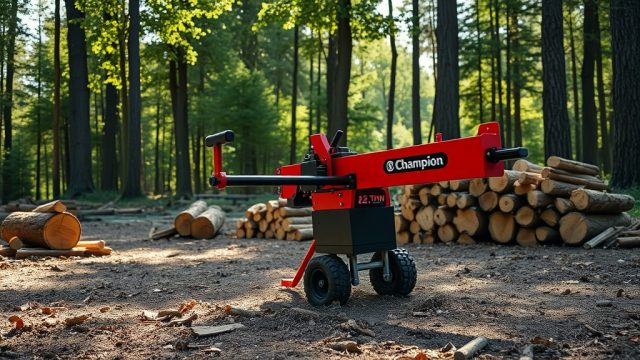
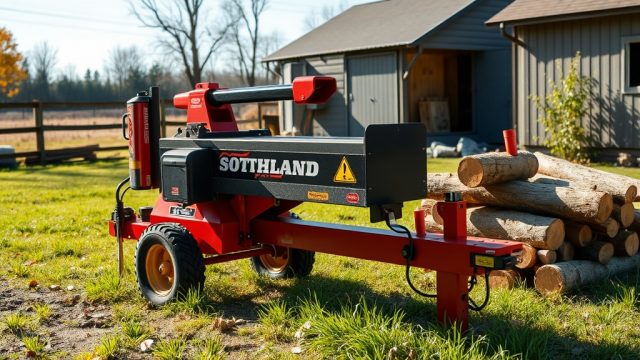
The Southland 22-Ton log splitter is a robust, horizontal/vertical splitter designed for homeowners and semi-professional users who need consistent splitting power without the industrial price tag. With a rated force of 22 tons and a typically 208cc or 212cc engine, this machine can handle medium-to-large hardwood rounds, including oak and hickory, up to 24 inches in length. Before you commit to a purchase, understanding the splitter’s cycle time, hydraulic pressure, build quality, and maintenance requirements will ensure you get the right tool for your needs. This buying guide covers the key considerations, from engine displacement to hydraulic fluid type, so you can make an informed investment.
What Engine Power and Displacement Should You Expect?
The heart of any log splitter is its engine, and for the Southland 22-Ton, you’ll typically find a 208cc to 212cc four-stroke gas engine, often a Honda GX200 clone or a LCT branded unit. This displacement outputs roughly 6.5 to 7 horsepower, which is adequate for the rated 22-ton splitting force. However, the engine’s torque curve matters more than peak horsepower because splitting requires sustained torque at lower RPMs. Look for a model with a low-oil shutdown sensor, which is standard on most Southland units, to protect the engine during heavy use. If you plan to split in cold weather, consider that smaller engines (under 200cc) may struggle with thicker hydraulic oil. In such climates, a 212cc engine is preferable, and you can refer to our Southland 22-Ton Splitter: Cold Weather Performance and Starting Tips for winterization advice. The fuel tank capacity is usually around 1.1 gallons, providing roughly 2-3 hours of continuous splitting depending on load, so budget for regular refills.
How Does the Hydraulic System Affect Splitting Speed and Force?
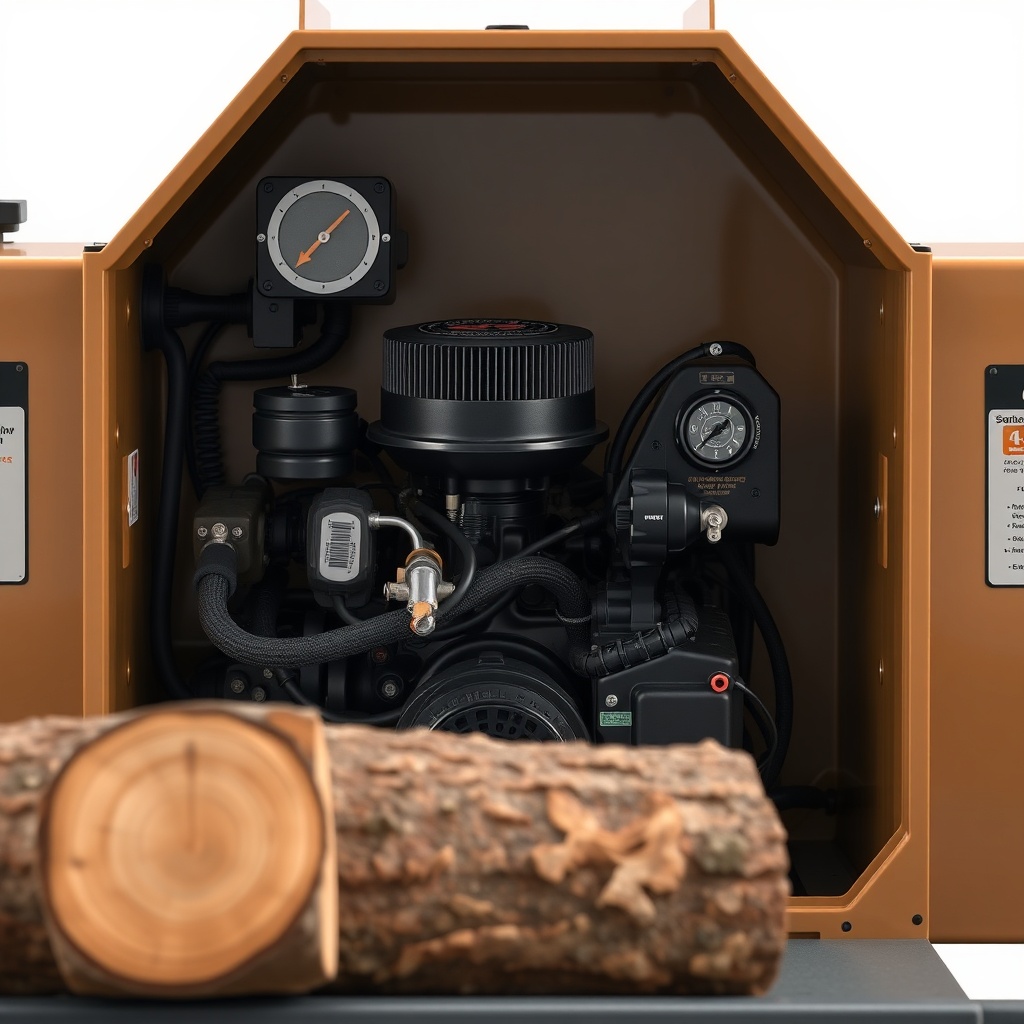
The hydraulic system is the second critical component. The Southland 22-Ton operates with a hydraulic pressure rating of approximately 2,800 to 3,000 PSI, achieved via a gear pump driven directly by the engine. This translates to a cycle time (ram travel) of 10 to 14 seconds for the forward stroke and 6 to 10 seconds for the return stroke, depending on the specific model year and pump displacement. The 22-ton force is generated by a typical 4-inch bore cylinder. While this is sufficient for most hardwoods, you may notice a slowdown when splitting extra-dense, knotty logs. If the ram speed feels sluggish, you can explore an upgrade as detailed in our Southland 22-Ton Splitter: How to Upgrade Ram Speed for Faster Splitting guide. Beware that increasing pump flow may require a corresponding adjustment to the hydraulic pressure, which is covered in Southland 22-Ton Splitter: How to Adjust Hydraulic Pressure for Better Performance. For routine maintenance, the hydraulic oil capacity is typically 3.5 to 4 gallons of AW-32 or AW-46 hydraulic fluid, and the filter is a standard spin-on type. Changing the oil every 100 to 200 hours is recommended—see our Southland 22-Ton Splitter: Hydraulic Oil Change Frequency Guide for a detailed schedule.
| Specification | Typical Value | Notes |
|---|---|---|
| Engine Displacement | 208cc – 212cc | Most common is 212cc (7 hp equivalent) |
| Rated Splitting Force | 22 tons (43,200 lbf) | Measured at pump pressure of 2,800 PSI |
| Cycle Time (forward) | 12 – 14 seconds | Varies with hydraulic oil viscosity and temperature |
| Cycle Time (return) | 7 – 9 seconds | Auto-return feature is standard |
| Max Log Length | 24 inches (610 mm) | Horizontal position only; vertical mode handles 22 inches |
| Hydraulic Fluid Capacity | 3.5 – 4 gallons | Use AW-32 (cold climates) or AW-46 (warm climates) |
| Weight (dry) | 420 – 460 lbs | Requires 2 people for assembly; includes tow bar |
| Wheel Size | 16 inches (pneumatic) | Stable on uneven ground; may require tire upgrade for heavy mud |
What Frame Design and Portability Features Matter?
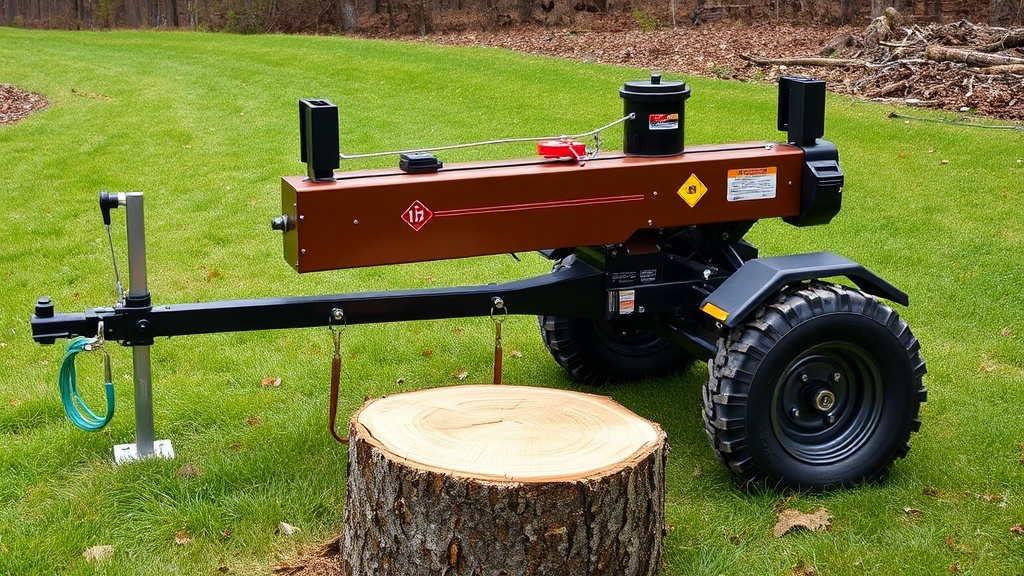
The Southland 22-Ton is built on a welded steel frame with a powder-coated finish to resist rust. Most models include a horizontal and vertical splitting capability, which is essential for heavy rounds that are difficult to lift. The wedge is fixed, and the ram moves horizontally, while the vertical mode allows you to place the log on the splitting beam and activate the ram from above. Check the beam length: it should be at least 24 inches to accommodate standard firewood lengths. Portability is handled by a tow bar rated for highway speeds (typically 55 mph max) and two 16-inch pneumatic tires. However, the overall weight of around 450 lbs means you need a vehicle with a Class II or above hitch. If you plan to move the splitter frequently across rough terrain, consider upgrading to tires with deeper treads or adding a dolly wheel for maneuverability. The fuel tank and hydraulic oil reservoir are placed low to maintain a low center of gravity, but ensure the fill caps are easily accessible for hydraulic oil changes.
How Reliable Is the Engine and What Are Common Weak Points?
While the Southland 22-Ton offers decent value, reliability issues do surface. The most common problem reported is engine stalling under load, often due to a clogged fuel filter, dirty carburetor, or incorrect air/fuel mixture adjustment. Other users note that the recoil starter can wear out after heavy seasonal use, particularly if the engine is poorly maintained. The hydraulic pump may also develop air leaks if the connections are not properly torqued. Overall, the machine is considered reliable for moderate use (30-50 cords per year), but it may not withstand commercial daily usage. If you experience stalling, refer to our Southland 22-Ton Log Splitter: How to Troubleshoot Engine Stalling guide for step-by-step diagnostics. Additionally, the steel wedge can deform after repeated use on extremely hard wood like ironbark, so inspect it regularly for burrs or chipping.
What Owners Say About the Southland 22-Ton
Long-term owner reviews highlight a mix of satisfaction and frustration. Owners appreciate the 22-ton force for handling large rounds, with many noting it splits seasoned oak and ash effortlessly in horizontal mode. The vertical splitting feature is praised for heavy logs that would otherwise require a crane. On the downside, some owners complain about the cycle time being too slow (around 22 seconds total for forward and return) compared to more expensive units like the American CLS or Timberwolf. Assembly is described as straightforward, but the provided hydraulic oil is often of low quality, so replacing it immediately is advised. A recurring theme is the engine’s cold-start difficulty in temperatures below 40°F, which is why many owners install a magnetic oil heater or use lighter AW-32 hydraulic oil in winter. Overall, the splitter is rated 4.2 out of 5 stars on average, with the primary criticism being the engine’s tendency to stall if the fuel system is not kept clean.
Frequently Asked Questions
Q: Can I use the Southland 22-Ton in vertical mode for all logs?
A: Yes, but the vertical mode is designed for logs up to 22 inches in length; longer logs must be split horizontally. The vertical ram stroke is shorter than horizontal, so you may need to rotate the log for multiple splits.
Q: What type of hydraulic oil should I use in the Southland 22-Ton?
A: AW-32 ISO VG 32 hydraulic oil is recommended for ambient temperatures below 50°F, and AW-46 ISO VG 46 for temperatures above 50°F. Avoid using motor oil or transmission fluid. For detailed intervals, see Hydraulic Oil Change Frequency Guide.
Q: How do I increase the splitting speed of my Southland 22-Ton?
A: You can upgrade the hydraulic pump to a higher flow rate model, which will reduce cycle time. Ensure the engine can handle the increased demand. For step-by-step instructions, read Ram Speed Upgrade Guide.
Q: Why does my Southland 22-Ton splitter stall when I press the control handle?
A: This is most often caused by a clogged fuel line or a dirty carburetor. Check the fuel filter, clean the carburetor jets, and adjust the idle speed. For detailed troubleshooting, see Engine Stalling Troubleshooting.
Q: Can I convert the Southland 22-Ton from gas to electric?
A: Yes, it is possible, but you will need a high-torque electric motor (e.g., 10-15 hp) and a compatible hydraulic pump. The conversion can reduce fuel costs significantly over time. Review our Electric Conversion Fuel Savings Analysis for cost-benefit details.
Q: How often should I change the hydraulic oil on my Southland 22-Ton splitter?
A: Change the hydraulic oil every 100 hours of operation under normal conditions, or annually if you split less than 20 cords per year. If the oil appears milky (water contamination) or dark (overheating), change it immediately. For a complete schedule, see Hydraulic Oil Change Frequency Guide.