
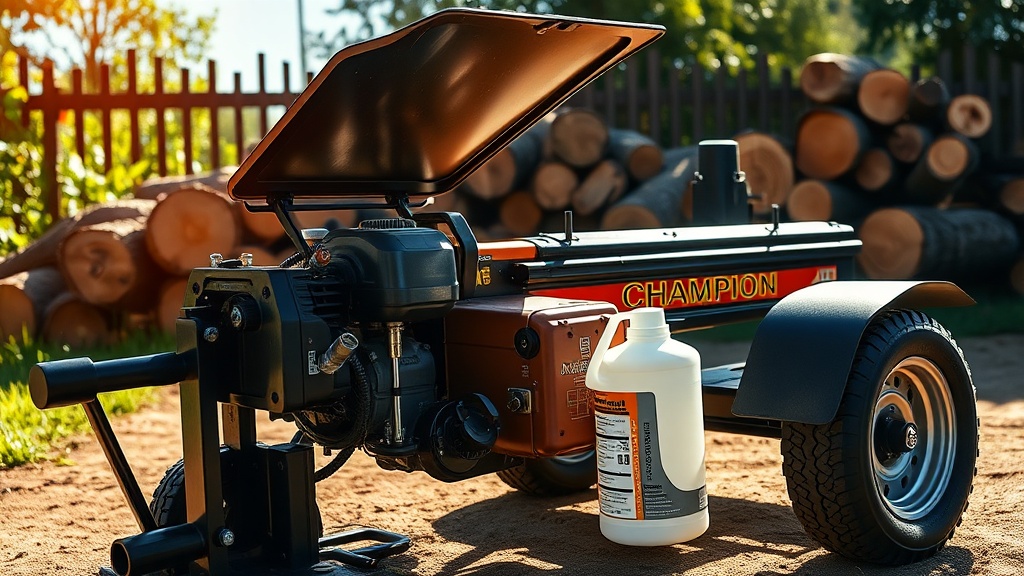
Why Does My Champion 25-Ton Splitter Need a Fuel System Cleaning?
The Champion 25-Ton log splitter, a rugged workhorse for splitting firewood, relies on a clean fuel system for consistent starts and smooth operation. Over time, ethanol-blended gasoline can leave varnish and deposits in the carburetor, fuel lines, and tank, leading to hard starting, stalling, or reduced power. A thorough fuel system cleaning every season or after prolonged storage restores performance, ensures reliable hydraulic pressure output, and extends the engine’s life—especially if you’ve experienced issues like hesitation when splitting knotty oak or elm.
Cleaning your fuel system prevents costly repairs and keeps your Champion splitting at full force. If you’ve noticed the engine surging or struggling to maintain RPM under load, a dirty carburetor is often the culprit. Regular maintenance also aligns with proper winter storage and antifreeze tips to avoid fuel degradation during cold months.
What Tools and Supplies Do I Need for the Job?
Before starting, gather the following items. Most are available at hardware stores or online for under £30 total.
| Item | Purpose | Estimated Cost (GBP) |
|---|---|---|
| Carburetor cleaner spray (e.g., Gumout) | Dislodges varnish and gum from jets | £8–12 |
| Fuel stabilizer (e.g., Sta-Bil) | Prevents future ethanol degradation | £10–15 |
| Razor blade scraper or small brush | Cleaning sediment from fuel tank | £3–6 |
| Rags and disposable gloves | Protection and cleanup | £2–5 |
| Replacement fuel line (3/16-inch) | If lines are cracked or clogged | £5–8 |
| Small container for draining old fuel | Safe disposal of contaminated fuel | £1–3 |
| Socket set and screwdrivers | Removing carburetor and bowl | £10–20 (if needed) |
Ethanol-free fuel is ideal for the Champion engine; if unavailable, use 91-octane petrol mixed with stabilizer. Avoid cheap tools that strip fasteners—invest in a decent socket set for the carburetor bowl nut.
How Do I Drain and Clean the Fuel Tank Properly?
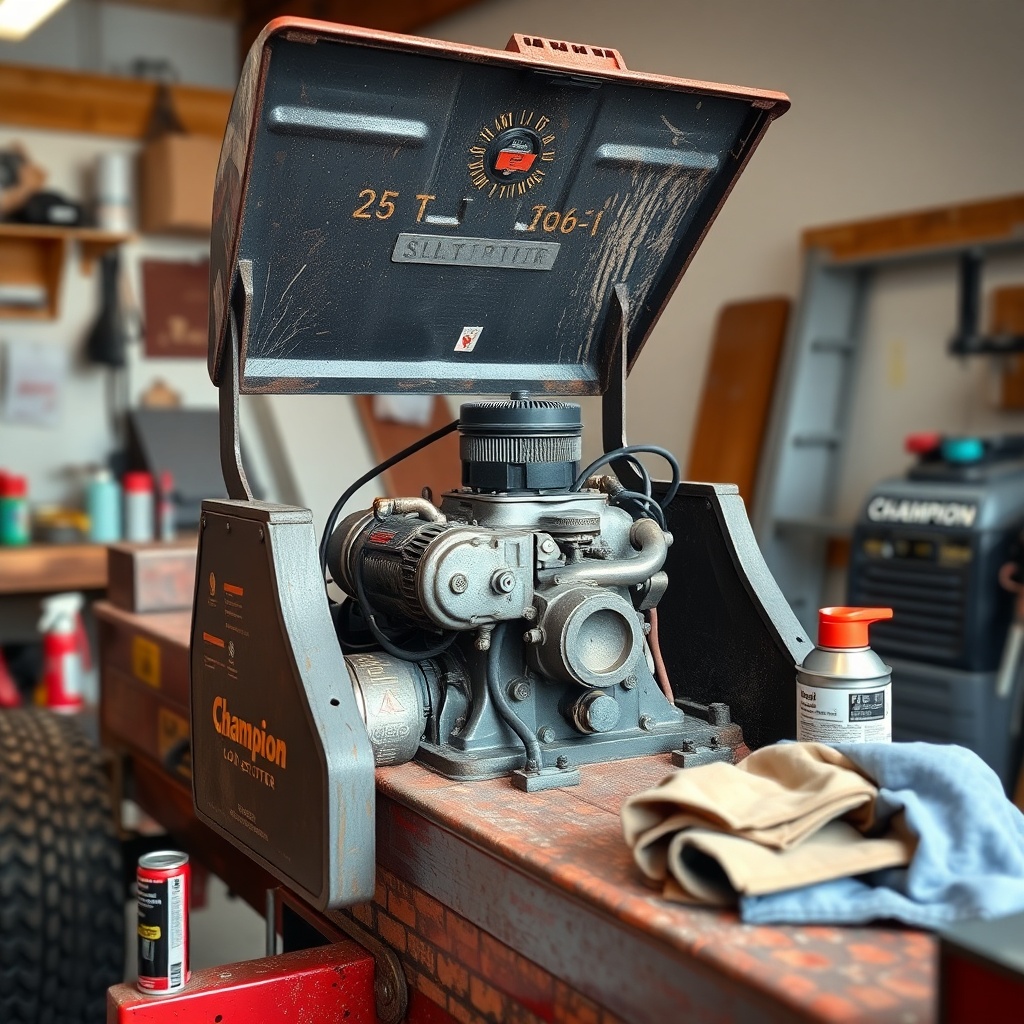
Begin by ensuring the engine is cold and the splitter is on a level surface. Locate the fuel shut-off valve (usually under the tank) and turn it to the OFF position. Unscrew the fuel cap and siphon or pour the old fuel into an approved container. Use a flashlight to inspect the tank interior for rust, debris, or varnish deposits. If present, scrub gently with a clean rag and carburetor cleaner—avoid using water, which promotes corrosion.
For stubborn buildup, add a few ounces of clean fuel with a dash of stabilizer, swish it around, and drain again. Replace the fuel cap gasket if it’s dry or cracked. Reconnect the fuel line to the carburetor, but keep the shut-off valve OFF until you’re ready to start. DIY hydraulic pump replacement also requires a clean fuel system to avoid pushing contaminants into the pump.
If the tank has severe rust, consider replacing it—cleaning may only be a temporary fix. Always dispose of old fuel at a local recycling centre; never pour it on the ground or into storm drains.
How Do I Remove and Clean the Carburetor?
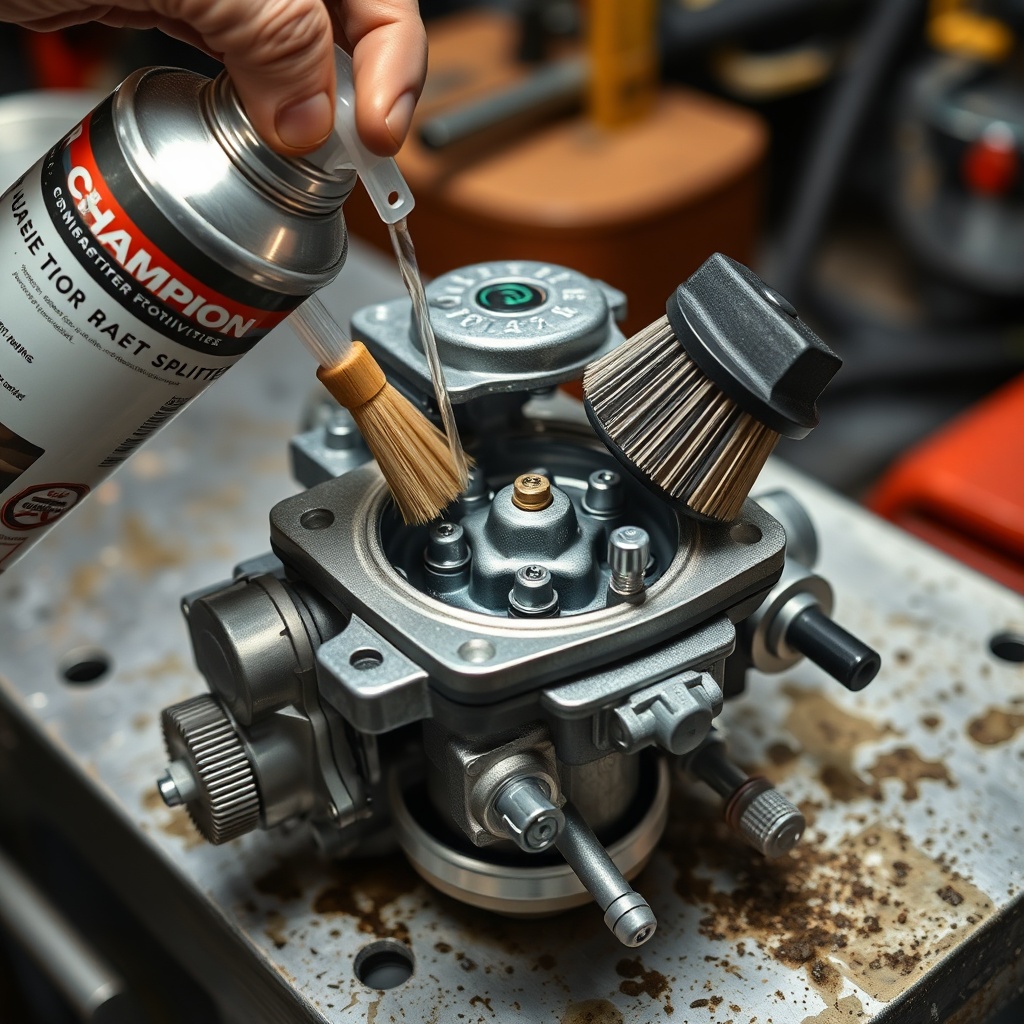
The carburetor on the Champion 25-Ton engine (typically a Honda clone design) is the most common point of failure. Start by disconnecting the spark plug wire for safety. Use a socket to remove the air filter assembly and the two bolts securing the carburetor to the intake manifold. Gently pry the carburetor free, taking care not to tear the gasket or O-ring.
- Remove the float bowl: Use a socket to loosen the large bowl nut (often 17mm). Drain any remaining fuel into a rag. Inspect the bowl for white or brown deposits—ethanol corrosion is common.
- Clean the jets: Spray carburetor cleaner through all passageways, especially the main jet and idle circuit. Use compressed air if available to blast out debris. Never use wire or drill bits that can enlarge jets and ruin fuel metering.
- Check the float needle: Ensure the rubber tip is not swollen or sticky; replace if damaged. Reassemble with a new gasket if the old one is brittle (available online for £5–8).
After cleaning, reinstall the carburetor with a fresh intake gasket (apply a thin layer of grease to hold it in place). Torque bolts to 8–10 Nm—overtightening can warp the plastic manifold. This step is critical after any hydraulic pressure adjustment, as erratic engine performance masks pump issues.
How Do I Replace the Fuel Filter and Lines?
The Champion 25-Ton splitter uses an inline fuel filter located between the tank and carburetor. Over time, this filter can clog with fine debris, restricting fuel flow and causing hesitation. To replace it, pinch the fuel lines with clamps to prevent spillage, then slice the old filter out with a razor blade. Install a new filter (3/16-inch barb fitting, about £2–4 each) pushing it securely onto both line ends.
Inspect the fuel lines for cracks, brittleness, or soft spots—common near the carburetor due to heat. Cut off damaged sections or replace the entire line if needed. Use ethanol-resistant hose (sold by the foot at auto parts stores). Secure connections with small hose clamps to prevent air leaks, which cause hard starting. A leaky line can also dump fuel onto the engine, increasing fire risk.
If you notice the engine runs fine at idle but bogs under load, a restricted filter is likely. This symptom overlaps with a failing hydraulic pump, so replace the filter first before exploring hydraulic pump replacement.
How Do I Test the System and Prevent Future Issues?
After reassembly, turn the fuel shut-off valve ON and check for leaks around the carburetor, filter, and lines. Reconnect the spark plug wire and prime the bulb (if equipped) until fuel flows. Start the engine and let it idle for 2–3 minutes—listen for smooth operation without surging. Engage the hydraulic pump lever; the engine should not stall or hesitate. If it stumbles, the carburetor jets may still be partially blocked—repeat cleaning or consider a carburetor rebuild kit (£15–20).
To prevent future fuel system problems, adopt these habits:
- Use ethanol-free fuel if possible; if not, treat with a stabilizer like Sta-Bil Marine Formula.
- Run the carburetor dry before storage by closing the fuel valve and letting the engine idle until it stops.
- Check the fuel cap vent periodically—if blocked, it creates a vacuum that starves fuel flow.
- Replace the fuel filter every 50 hours of operation or once per season.
- Store the splitter in a dry shed or use a cover; moisture leads to ethanol separation.
Following these steps ensures your Champion splits consistently through tough jobs like knotty hardwood. For routine winter care, refer to winter storage and antifreeze tips to protect the engine block.
What Owners Say About Fuel System Maintenance
Users on UK forums and Facebook groups report mixed experiences with the Champion 25-Ton’s fuel system. Many praise how easy the carburetor is to access compared to other budget splitters—no need to remove the entire engine shroud. One owner from Devon noted that after cleaning the carburetor jets and replacing the filter, his splitter “started first pull even after sitting for six months.” Another from Scotland warns that ethanol fuel left in the tank over winter caused the float needle to stick, requiring a rebuild kit (£18).
Common praise: the simple design and availability of cheap replacement parts (filters, gaskets, fuel lines) keep running costs minimal. Critical feedback: the stock fuel lines are thin and prone to cracking after two seasons—many recommend upgrading to thicker, ethanol-rated hose (£1.50 per foot). Owners also emphasize testing the fuel cap vent—a clogged vent mimics fuel starvation. One Yorkshire user advises replacing the fuel filter every year, even if it looks clean, because “microscopic debris is invisible but still blocks the jet.”
For tackling tough splitting jobs like ash or beech, users suggest pairing the clean fuel system with expert tips for splitting knotty wood to reduce stalling. Overall, proper fuel system cleaning is cited as the single most impactful maintenance task for reliability.
Frequently Asked Questions
How often should I clean the Champion 25-Ton fuel system?
At least once per season or every 50 hours of operation, whichever comes first. If you use ethanol fuel, clean more frequently—every 30 hours or after three months of inactivity.
Can I use carburetor cleaner without removing the carburetor?
Not effectively. Spraying cleaner through the air intake only reaches the venturi, not the jets or bowl passages. Remove the carburetor for full cleaning.
What type of fuel is best for the Champion 25-Ton splitter?
Ethanol-free unleaded petrol with 91 octane or higher is ideal. If unavailable, use 95 octane pump fuel treated with a stabilizer to reduce ethanol damage.
Why does my Champion splitter stall under load after cleaning?
Possible causes: a clogged fuel filter (replace it), a misadjusted carburetor mixture screw (turn 1.5 turns out from fully closed), or an air leak from loose hose clamps. Also verify the spark plug is in good condition—see step-by-step spark plug replacement guide.
Can I clean the carburetor with vinegar or water?
No. Water promotes corrosion in brass jets and the aluminum bowl. Vinegar is acidic and may etch surfaces. Always use dedicated carburetor cleaner spray.
Does the Champion 25-Ton require a fuel line primer bulb?
Some models have a primer bulb, others rely on a tickler button or manual choke. If your primer bulb collapses or cracks, replace it (approx £5) to ensure easy starting.