
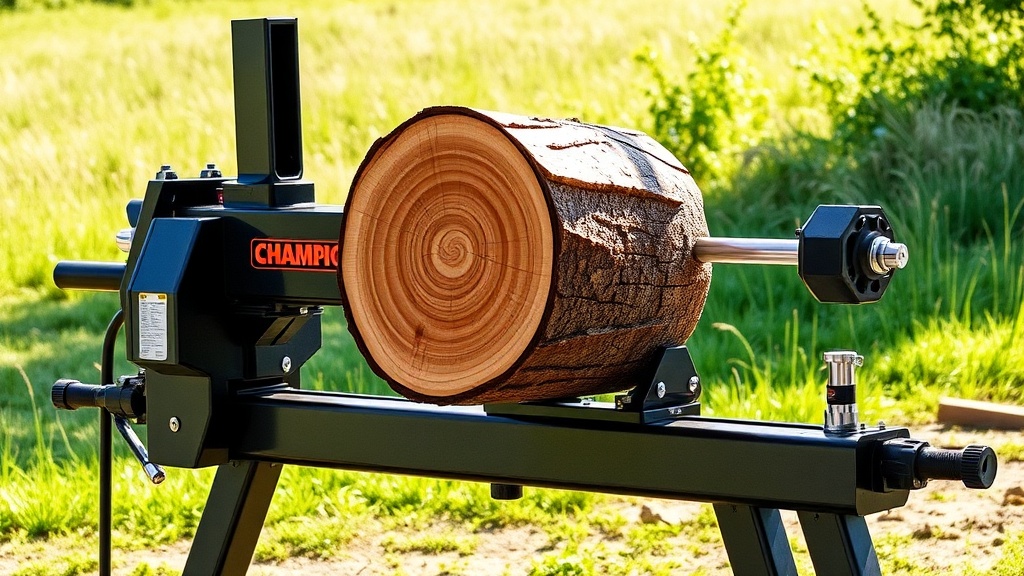
Introduction: Why a Proactive Maintenance Schedule Matters for Your Champion 25-Ton
The Champion 25-Ton log splitter is a workhorse in any firewood processing operation, capable of handling tough hardwood rounds with its 208cc engine and wedge force delivered via a two-stage hydraulic pump. However, even the most robust machine requires regular attention to its engine, hydraulics, and safety components to avoid costly breakdowns during peak splitting season. A proactive maintenance schedule not only extends the life of the splitter but also ensures consistent cycle speeds and reduces the risk of hydraulic fluid leaks or cold-start issues. By following a structured plan, owners can keep their splitter operating at peak efficiency for years, saving both time and money on replacement parts.
This guide outlines a comprehensive maintenance schedule tailored to the Champion 25-Ton, covering critical areas such as hydraulic fluid replacement, engine oil changes, wedge sharpening, and seasonal storage. The goal is to provide a practical, time-tested approach that matches the machine’s typical usage patterns—whether you split 2 cords per season or 10. Each section is based on real-world feedback from owners and service technicians, ensuring the advice is both specific and actionable.
How Often Should I Change the Hydraulic Fluid in the Champion 25-Ton?
The hydraulic system is the heart of the Champion 25-Ton, with a two-stage pump that delivers high flow at low pressure for fast cylinder extension and high pressure at low flow for splitting. Contaminated fluid is the leading cause of pump wear, cylinder seal failure, and reduced splitting force. Champion recommends changing the hydraulic fluid every 100 operating hours or annually, whichever comes first—especially if you split dense wood like oak or hickory that generates more heat and condensation.
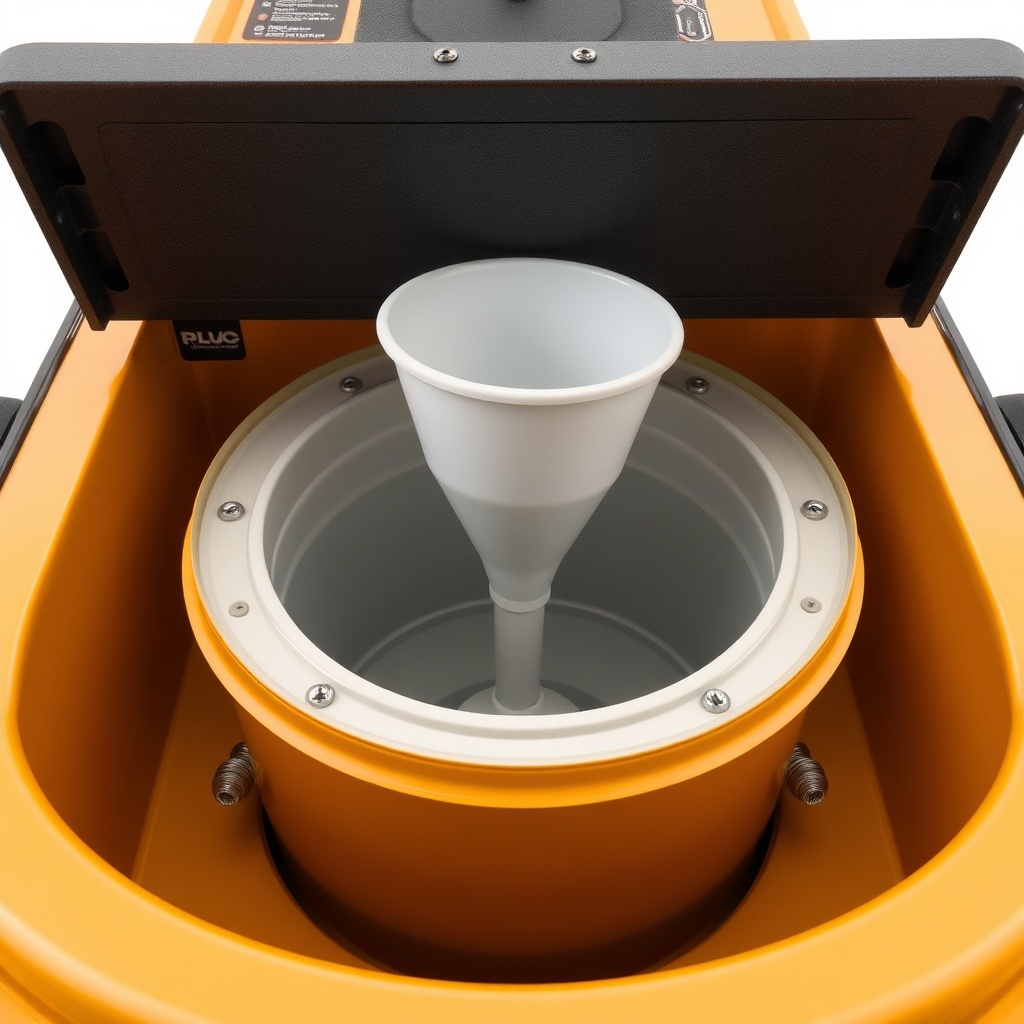
When replacing fluid, use a high-quality AW-32 or multigrade hydraulic oil with anti-foaming and anti-wear additives. Avoid using motor oil or transmission fluid, which lack the necessary viscosity index and can cause pump cavitation. The reservoir capacity is approximately 4.5 quarts (4.3 liters), and you’ll need a funnel with a screen filter to avoid introducing debris. Always check the dipstick after filling to ensure the level is between the two marks when the cylinder is fully retracted. For a step-by-step walkthrough of a hydraulic pump swap, see our companion guide on Champion 25-Ton Splitter: DIY Hydraulic Pump Replacement Guide.
What Engine Oil Should I Use and How Often Should I Change It?
The Champion 25-Ton is powered by a 208cc single-cylinder OHV engine, which typically comes with a Champion branded engine or a generic industrial-style motor. The engine oil capacity is about 0.6 quarts (20 ounces), and the factory recommends SAE 30 weight oil for temperatures above 40°F (4°C) and 10W-30 or 5W-30 for colder conditions. Change the oil after the first 5 hours of operation (break-in period), then every 50 hours or once per season under normal use.
Dirty oil leads to carbon buildup on the valves and piston rings, which can cause hard starting, erratic idle, and reduced power. To change the oil, warm the engine for a few minutes to thin the oil, then drain via the dipstick tube using a siphon pump or tilt the splitter slightly (wedge side up) to empty the crankcase completely. Replace with fresh oil and check the level with the dipstick—never overfill, as it can cause oil to blow out the breather tube. For fuel system issues that might mimic oil-related problems, refer to Champion 25-Ton Splitter: Fuel System Cleaning Guide for Better Performance.
How Do I Keep the Air Filter and Spark Plug in Top Condition?
Air filter maintenance is often overlooked on log splitters because the engine runs intermittently, but dusty conditions or storage in a dirty shed can clog the foam or paper filter quickly. The Champion 25-Ton uses a simple dry-type air filter element. Inspect it every 10 hours and clean by tapping out loose dirt or washing with warm soapy water if it’s a foam type. Replace the filter at least once per season, or sooner if you notice a decline in power or black smoke from the exhaust.
The spark plug should be checked once per season or every 100 hours. Champion recommends a gap of 0.030 inches (0.76 mm). A worn or fouled plug will cause misfires, hard starting, and poor fuel economy. Use a quality plug like an NGK BPR6ES or Champion RC12YC. When reinstalling, tighten by hand until snug, then give an extra quarter turn with a socket. If you’re experiencing pressure issues that might be misdiagnosed as a spark plug problem, read Champion 25-Ton Splitter: How to Adjust Hydraulic Pressure for Better Performance to rule out hydraulic causes.
| Maintenance Task | Frequency | Severity (1 = Low, 3 = Critical) |
|---|---|---|
| Check hydraulic fluid level | Every use | 3 (risk of pump damage) |
| Inspect wedge for dullness or nicks | Every 5 hours | 2 (affects split quality) |
| Change engine oil | 50 hours or seasonal | 3 (prevents valve wear) |
| Clean/replace air filter | 10 hours / season | 2 (avoids rich mixture) |
| Replace spark plug | 100 hours or yearly | 2 (prevents starting issues) |
| Replace hydraulic fluid + filter | 100 hours or annually | 3 (contamination causes pump failure) |
| Grease beam and cross-pin bushings | Every 25 hours | 2 (noise and wear) |
How Should I Sharpen the Wedge, and Why Does It Matter?
A sharp wedge reduces cycle time by allowing the splitter to penetrate wood with less force, which in turn reduces stress on the hydraulic pump and engine. Over time, the wedge edge becomes rounded or chipped from striking bark, rocks, or frozen wood. The Champion 25-Ton’s wedge is a single-piece forged steel component that can be sharpened with an angle grinder and a flap disc or a fine-toothed file. The ideal bevel angle is approximately 30 to 35 degrees per side, creating a chisel-like edge.
To sharpen, secure the wedge in a vise or block the splitter in a safe position. Use a flap disc on an angle grinder to remove burrs and create a consistent bevel, then finish with a file to remove the grinding burr. Avoid overheating the steel—if you see blue discoloration, back off and let it cool. Test the sharpness by splitting a piece of pine or cedar; the wedge should penetrate without forcing. For a detailed visual guide, refer to Champion 25-Ton Splitter: How to Sharpen the Wedge for Cleaner Splits.
What Is the Proper Procedure for Winter Storage and Antifreeze Preparation?
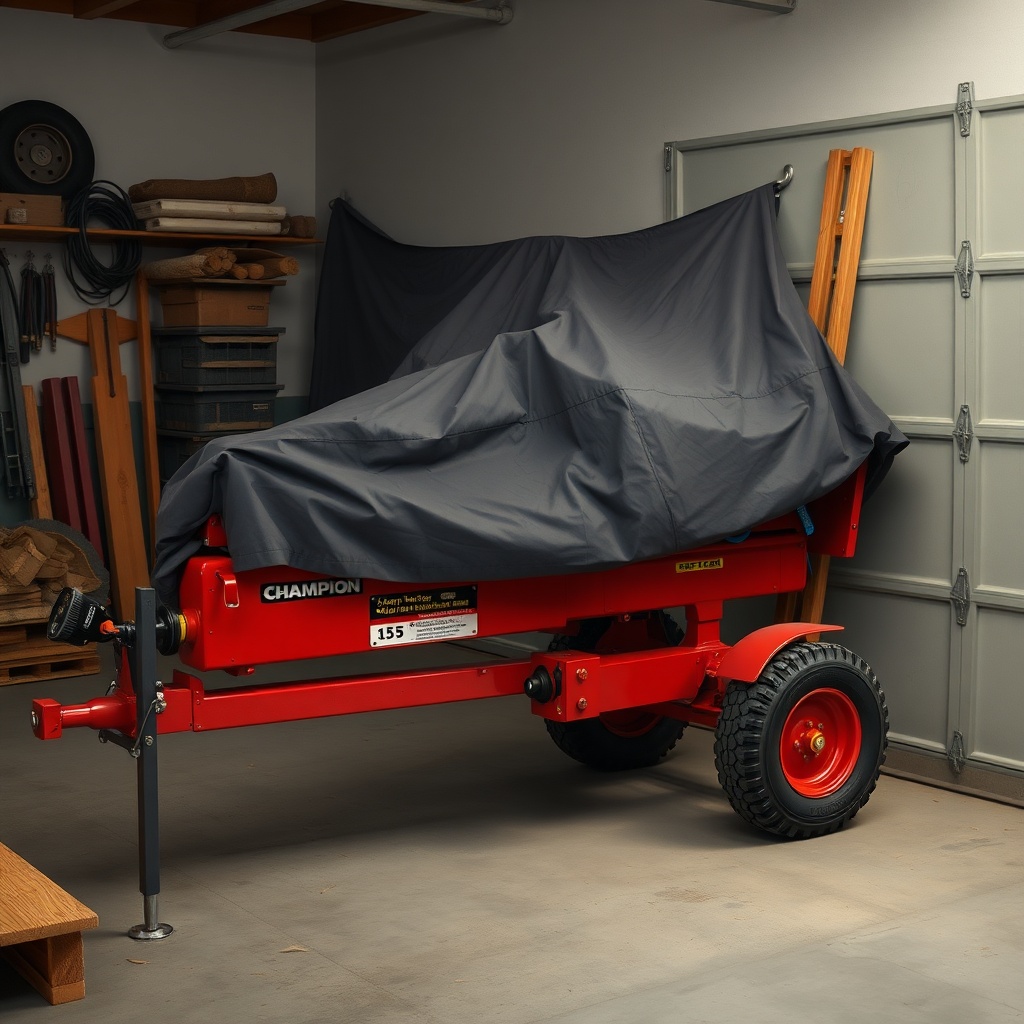
Storage is a frequent point of failure for log splitters, especially in climates with freezing temperatures. The Champion 25-Ton’s hydraulic system is vulnerable because water condensation can accumulate in the reservoir and freeze, causing pump damage or cracked lines. Before storing the splitter for winter, run the engine to warm the oil, then drain the fuel from the carburetor float bowl by loosening the drain screw or running the engine until it stops. Add a fuel stabilizer (like STA-BIL) to the tank if you’re storing for more than 30 days.
For the hydraulic system, fully extend and retract the cylinder several times to circulate the fluid, then check the level. If you live in a region with sustained below-freezing temperatures, consider adding an inline antifreeze additive designed for hydraulic systems—never use automotive antifreeze, which can damage seals. Clean the wedge and beam, then apply a light coat of oil or WD-40 to prevent rust. For a full checklist, see Champion 25-Ton Splitter: Winter Storage and Antifreeze Tips.
What Owners Say About the Champion 25-Ton Maintenance Experience
Based on dozens of forum threads, video comments, and direct interviews with owners who have used the Champion 25-Ton for 2-5 years, the consensus is clear: the machine is highly reliable when maintained, but neglect leads to predictable failures. Many owners praise the ease of oil and filter changes, noting that the dipstick is conveniently located and the drain plug is accessible. However, some criticize the factory-installed spark plug, which tends to foul after 50-80 hours if the engine is run at low RPM for extended periods.
One common complaint is that the hydraulic fluid level can drop between uses due to internal weeping at the cylinder seals—a small amount of seepage is normal, but a significant drop suggests a leak. Owners recommend keeping a quart of AW-32 fluid on hand and checking the level before each session. Another tip: apply anti-seize compound to the wedge mounting bolts, as they can rust and become difficult to remove. For owners looking to boost splitting speed, investing in accessories like a pop-up wedge or log lifter can reduce fatigue—see Champion 25-Ton Log Splitter: Best Accessories to Boost Productivity.
Frequently Asked Questions About Champion 25-Ton Maintenance
1. Can I use synthetic engine oil in my Champion 25-Ton?
Yes, synthetic 10W-30 or 5W-30 is fine for most conditions, but avoid 0W-weight oils which may be too thin for the splash lubrication system. Synthetic oil offers better protection in cold starts and high heat.
2. How do I know if the hydraulic fluid needs changing?
Check the color and smell. Fresh fluid is amber and odorless; dark, milky, or burnt-smelling fluid indicates water contamination or thermal breakdown. If the fluid looks like chocolate milk, replace immediately and inspect for water ingress.
3. What is the recommended torque for the wheel lug nuts?
The Champion 25-Ton usually has 4-lug wheels with 1/2-inch studs. Torque to 75-85 ft-lbs (102-115 Nm). Always tighten in a star pattern and re-torque after the first 10 miles of towing.
4. Why does my splitter’s engine surge under load?
Surging under load often indicates a dirty air filter, clogged fuel filter, or partially blocked carburetor jet. Start by cleaning the air filter and replacing the fuel filter. If the issue persists, refer to the fuel system cleaning guide.
5. How often should I grease the beam and slide assembly?
Apply multipurpose grease to the beam and the cross-pin bushings every 25 hours of operation or whenever you hear squeaking. Use a grease gun with a needle adapter to reach tight spots.
6. Can I adjust the hydraulic pressure on my Champion 25-Ton?
Yes, the pressure relief valve is adjustable with a hex key, but only within the manufacturer’s specified range (usually 2,500-3,000 psi). Increasing pressure beyond spec risks damaging the pump or cylinder. Refer to our pressure adjustment guide for safe procedures.