
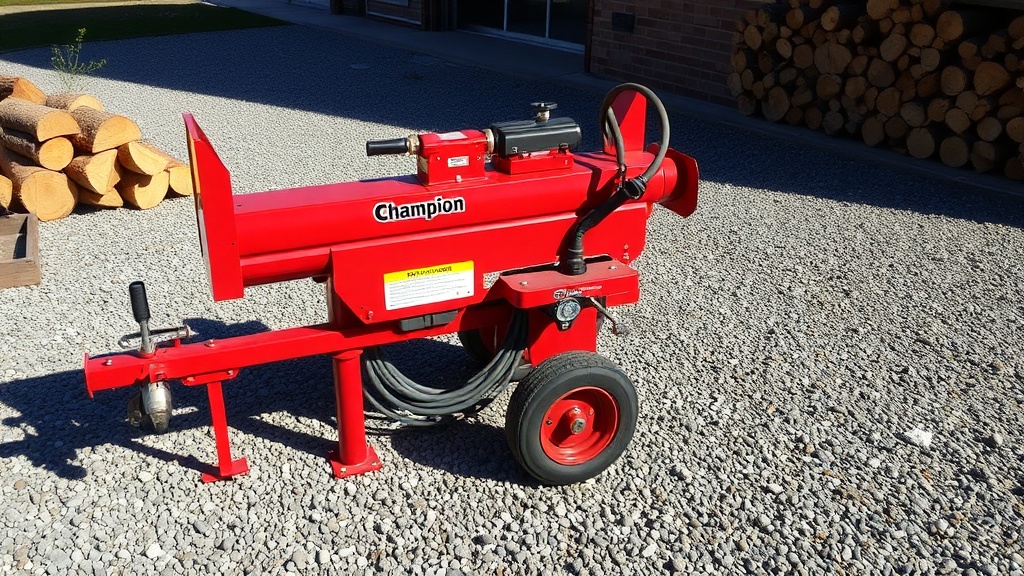
Why Does the Champion 25-Ton Log Splitter Need Hydraulic Hose Replacement?
The Champion 25-Ton log splitter is a workhorse for processing large amounts of firewood, but its hydraulic hoses endure constant pressure, heat, and abrasion from splitting cycles. Over time, hoses develop micro-cracks, bulges, or chafing from contact with the frame or wedge assembly. Replacing a damaged hose promptly is critical because a burst hose can spray hot hydraulic fluid, cause sudden loss of splitting force, or contaminate the entire hydraulic system with debris. This step-by-step guide covers the complete replacement process, from sizing and sourcing the correct hose to bleeding air after installation.
What Tools and Parts Are Required for Hydraulic Hose Replacement?
Before starting, gather the necessary tools and components. Using improper tools can damage fittings or cause fluid leaks. The Champion 25-Ton uses standard JIC (SAE 37°) flare fittings on most models. Verify your specific year’s manual, but the typical hose setup includes two main hoses: pressure line (usually 3/8″ ID) and return line (often 1/2″ ID), each with a working pressure rating of at least 3,000 PSI.
| Component/Tool | Specification | Estimated Cost (USD) |
|---|---|---|
| Hydraulic hose (pressure) | 3/8″ ID, 2-wire braid, 3,500 PSI min | $18–$28 per foot |
| Hydraulic hose (return) | 1/2″ ID, 2-wire braid, 2,500 PSI min | $15–$22 per foot |
| JIC flare fittings (male) | #6 (3/8″) and #8 (1/2″) | $4–$8 each |
| Hydraulic fluid (AW 32 or 46) | 5-gallon pail | $35–$55 |
| Adjustable wrench set | 2 wrenches (12″ and 16″) | $20–$40 |
| Pipe thread sealant (Loctite 567) | High-pressure rated | $8–$12 |
| Drain pan (5-quart capacity) | Plastic or metal | $10–$15 |
| Safety glasses + gloves | Oil-resistant | $15–$25 |
Always purchase hoses pre-cut to length with ends crimped at a hydraulic shop, unless you have a crimping tool. Custom-cut hoses ensure proper routing and prevent kinking. For the return line, a lower pressure rating is acceptable because it sees less backpressure than the pressure line.
How to Drain the Hydraulic Fluid Safely Before Hose Removal?
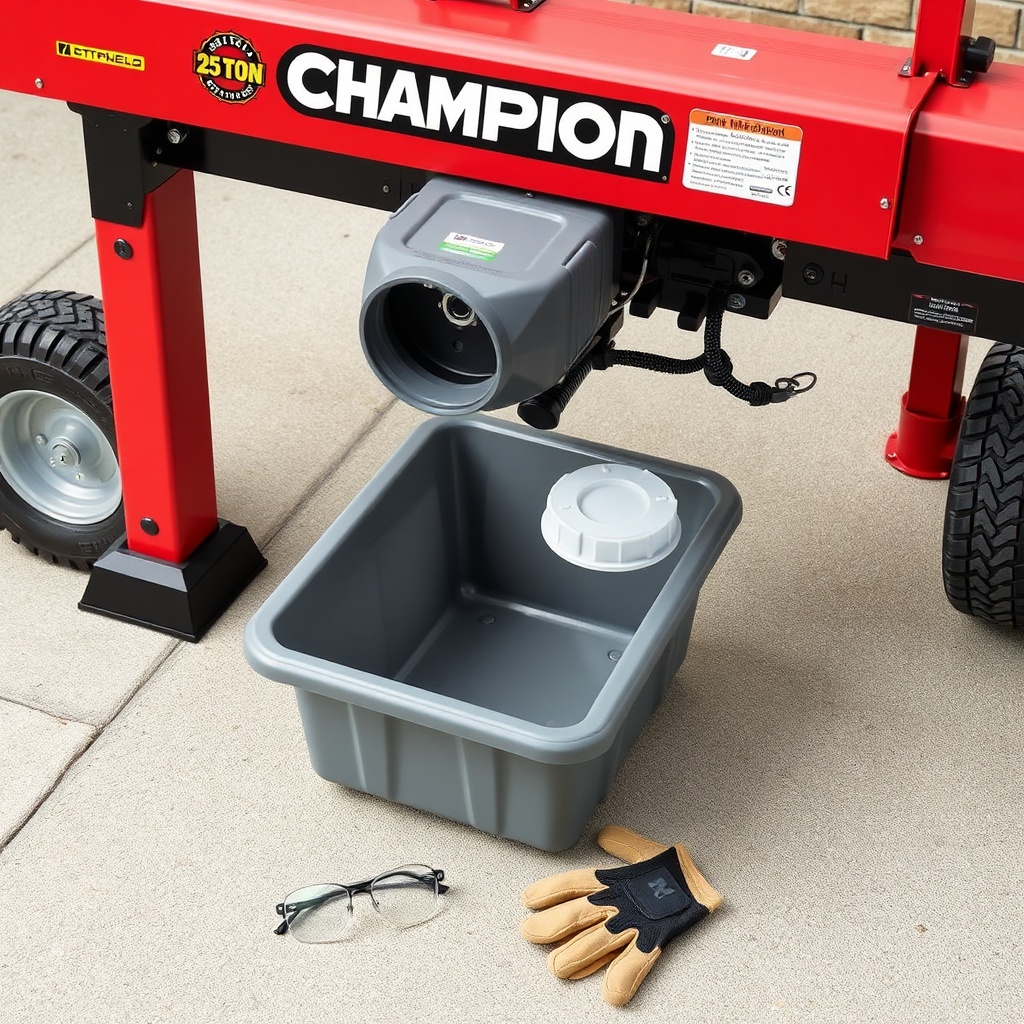
Fluid must be drained to avoid spills and prevent air from entering the pump. Park the splitter on level ground with the engine off and cooled (at least 30 minutes after last use). Locate the hydraulic reservoir—a cylindrical tank on the side of the engine. Remove the fill cap and place a clean drain pan under the drain plug (usually a hex-head bolt on the bottom of the reservoir). Allow all fluid to drain completely. Dispose of old hydraulic oil at a recycling center—never pour it down drains or onto soil. While draining, inspect the old fluid for metal shavings or discoloration; dark, burnt-smelling oil indicates overheating or contamination, which might warrant a filter change or fuel system inspection if the machine runs poorly.
After draining, close the drain plug (torque to 15–20 ft-lb) and replace the fill cap temporarily to keep debris out during hose work. Wipe down the reservoir exterior with a clean rag.
How to Remove the Old Hydraulic Hoses Without Damaging Fittings?
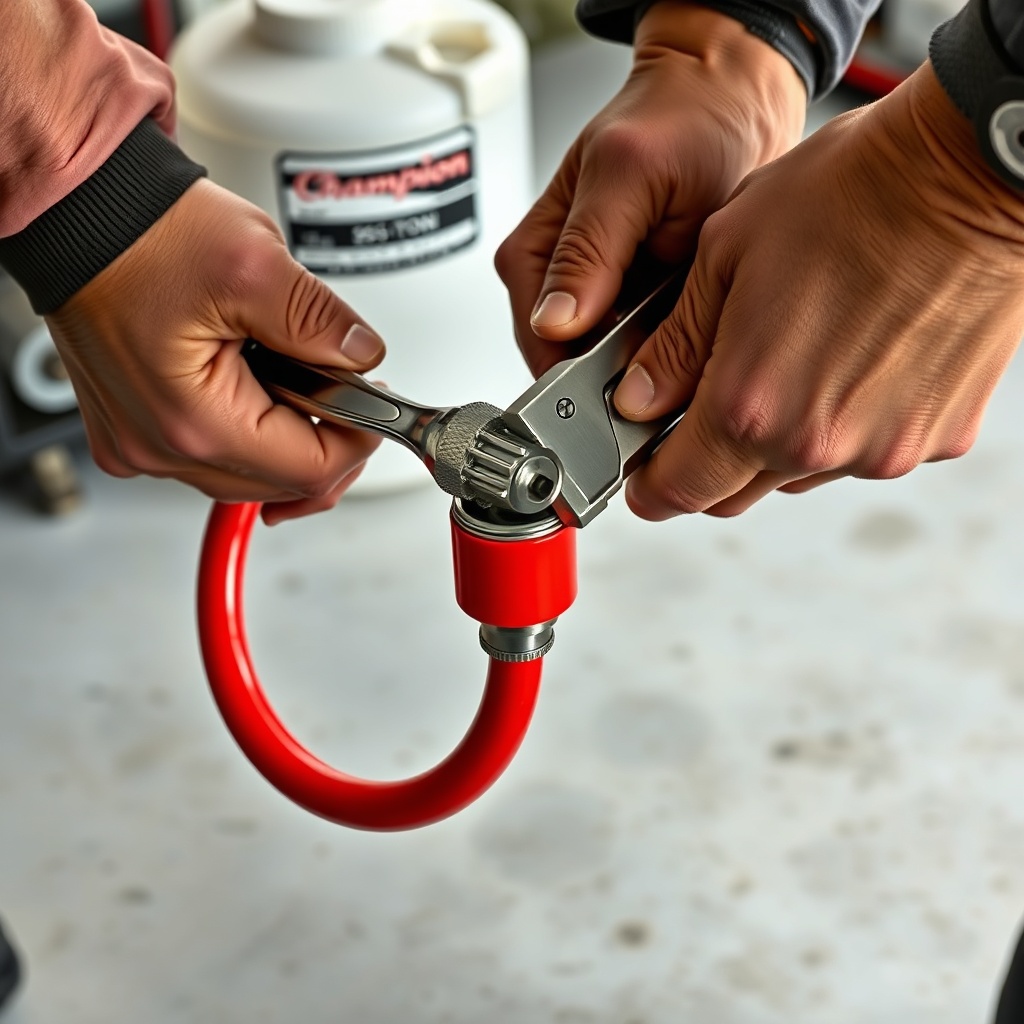
Old hoses are often seized to fittings due to corrosion or overtightening. Use two wrenches: one to hold the fitting on the pump or cylinder, the other to turn the hose end counterclockwise. If the fitting is stuck, apply penetrating oil (like PB Blaster) and wait 10–15 minutes before attempting again. Never use pipe wrenches or pliers on the fitting hex—this can round the corners. Label each hose connection with masking tape before removal to ensure correct routing later. On the Champion 25-Ton, the pressure hose connects from the pump to the control valve, and the return hose runs from the control valve back to the reservoir. Carefully trace each hose and note any clamps or protective sleeves. Once both hoses are loose, pull them away from the machine, being mindful of sharp edges on the frame.
Inspect the fittings for damaged threads or cracks. If the flare on the fitting is gouged, replace that fitting too—a damaged flare will cause leaks even with a new hose. This is also a good time to check the hydraulic cylinder seals; if the cylinder rod shows pitting or scoring, consider a seal kit replacement as outlined in our proactive maintenance schedule.
How to Install New Hoses and Torque Fittings Correctly?
Before connecting, apply a thin layer of hydraulic-friendly thread sealant (like Loctite 567) to the male threads of each fitting—this prevents leaks and doesn’t harden like Teflon tape, which can break off and clog filters. Hand-tighten the hose end to the fitting until snug, then use two wrenches: hold the fitting stationary, and torque the hose nut to 35–45 ft-lb (for #6 JIC) or 45–55 ft-lb (for #8 JIC). Over-torquing can crack the flare; under-torquing causes leaks. Route the hoses so they don’t rub against the frame or engine—use spiral wrap or rubber grommets at contact points. For the Champion 25-Ton, the pressure hose should have a gentle curve (no kinks) from pump to control valve, and the return hose should be free of loops that could trap air. Secure hoses with the original clamps or zip ties (non-metal preferred to avoid chafing).
How to Refill Hydraulic Fluid and Bleed Air From the System?
After hoses are installed, refill the reservoir with fresh AW 32 or AW 46 hydraulic fluid. Fill to the cold-level mark on the dipstick (usually about 3/4 full). Do not overfill—the fluid expands as it warms. With the engine off, cycle the control lever (forward/backward) several times to help move air out of the cylinder lines. Start the engine and let it idle for 30 seconds with the lever in neutral. Slowly extend the wedge fully (forward stroke) and retract it (reverse stroke) two to three times. Watch for bubbles in the reservoir—if you see foam, stop and let the fluid settle, then top off. You may need to repeat this process 3–4 times until the wedge moves smoothly without hesitation. Check all hose connections for leaks while the system is under pressure (extend the wedge against a large log). Tighten any weepy fittings gently—no more than 1/8 turn.
If the wedge moves sluggishly or jerks after bleeding, you may have trapped air in the pump. Let the splitter cool, then replace the hydraulic oil filter if it is clogged (air can’t escape through a blocked filter). A clean filter plus fresh fluid often resolves persistent air issues.
What Owners Say About Hydraulic Hose Replacement?
Owners of the Champion 25-Ton frequently note that hose routing is tight, especially near the control valve area. Many recommend taking clear photos before removal to guarantee correct reinstallation—a simple step that saves time and frustration. Several users report that using pre-made hoses from a local hydraulic shop (rather than universal lengths) eliminates kinks and reduces replacement frequency. A common complaint is that the stock hose clamps are flimsy; upgrading to stainless-steel “P-clamps” costs under $10 and prevents chafing. Some owners also mention that the pressure hose connector at the pump can be difficult to reach without removing the engine shroud—a 15-minute extra step that prevents skinned knuckles. Overall, the consensus is that hydraulic hose replacement is a DIY-able job for anyone with basic wrench skills, taking about 1.5–2 hours if no fittings are seized. For those who prefer a step-by-step visual reference, our companion guide for filter replacement pairs well with this task because both involve draining the system.
Frequently Asked Questions
Q: How often should hydraulic hoses be replaced on a Champion 25-Ton?
A: Inspect hoses every 50 operating hours. Replace them if you see cracking, bulging, or any leak. With regular use (10–15 cords per year), expect replacement every 2–3 years.
Q: Can I use standard rubber garden hose instead of hydraulic hose?
A: No. Garden hose lacks the pressure rating and reinforcement required for hydraulic systems. Using it can cause explosive failure, leading to injury or fluid contamination.
Q: What happens if I don’t bleed air after hose replacement?
A: Air trapped in the system causes erratic wedge movement, reduced splitting force, and potential pump cavitation that damages components. Always bleed thoroughly after any hydraulic work.
Q: The return hose is colder than the pressure hose—is that normal?
A: Yes. The pressure hose carries hot, high-pressure fluid from the pump; the return hose carries cooler, lower-pressure fluid back to the reservoir. Slight temperature difference is normal.
Q: My new hose leaks at the fitting—what went wrong?
A: Most likely the flare seat is damaged or the fitting was under-torqued. Disconnect, inspect the flare for nicks or dirt, and re-tighten to spec. If the leak persists, replace the fitting.
Q: Where can I buy exact replacement hoses for the Champion 25-Ton?
A: Champion Power Equipment sells OEM hose kits through their website. Alternatively, any local hydraulic shop can make hoses to your specified length and fitting type. Bring the old hose as a pattern.