
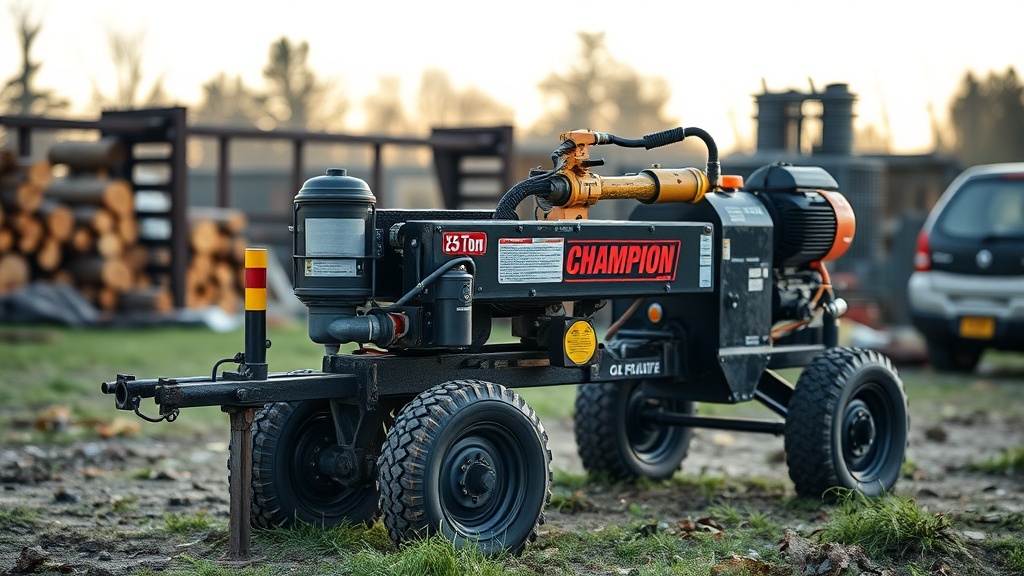
The Champion 25-Ton log splitter is a workhorse for anyone processing firewood, but like any hydraulic system, it requires regular maintenance to keep splitting at peak efficiency. One of the most critical yet straightforward tasks you can perform is replacing the hydraulic oil filter—a clogged filter can lead to slow cycle times, overheating, and even pump damage. This guide walks you through the entire process, from identifying when it’s time for a change to bleeding air after installation, all while keeping your splitter in top shape for the long haul.
Why Should You Replace the Hydraulic Oil Filter on a Champion 25-Ton Splitter?
The hydraulic oil filter is the unsung hero of your splitter’s fluid system. Its job is to trap microscopic contaminants—metal shavings from normal wear, dust pulled in through the breather cap, and sludge that forms as oil breaks down. Over time, this captured debris builds up and restricts oil flow. A clogged filter causes the hydraulic pump to work harder, leading to sluggish ram movement, excessive heat (which accelerates oil degradation), and in severe cases, cavitation that can destroy the pump. For a 25-ton machine rated at 13.5 GPM on the pump, unrestricted flow is mandatory; even a partial blockage can reduce splitting force by 15–20%. Replacing the filter annually—or after every 100–150 hours of heavy use—is the cheapest insurance against a rebuild.
Neglecting this task can also void your warranty and make other adjustments pointless. For instance, if you’re chasing better cycle times, a clean filter is a prerequisite to any Champion 25-Ton Splitter: How to Adjust Hydraulic Pressure for Better Performance.
What Tools and Parts Do You Need for the Filter Replacement?
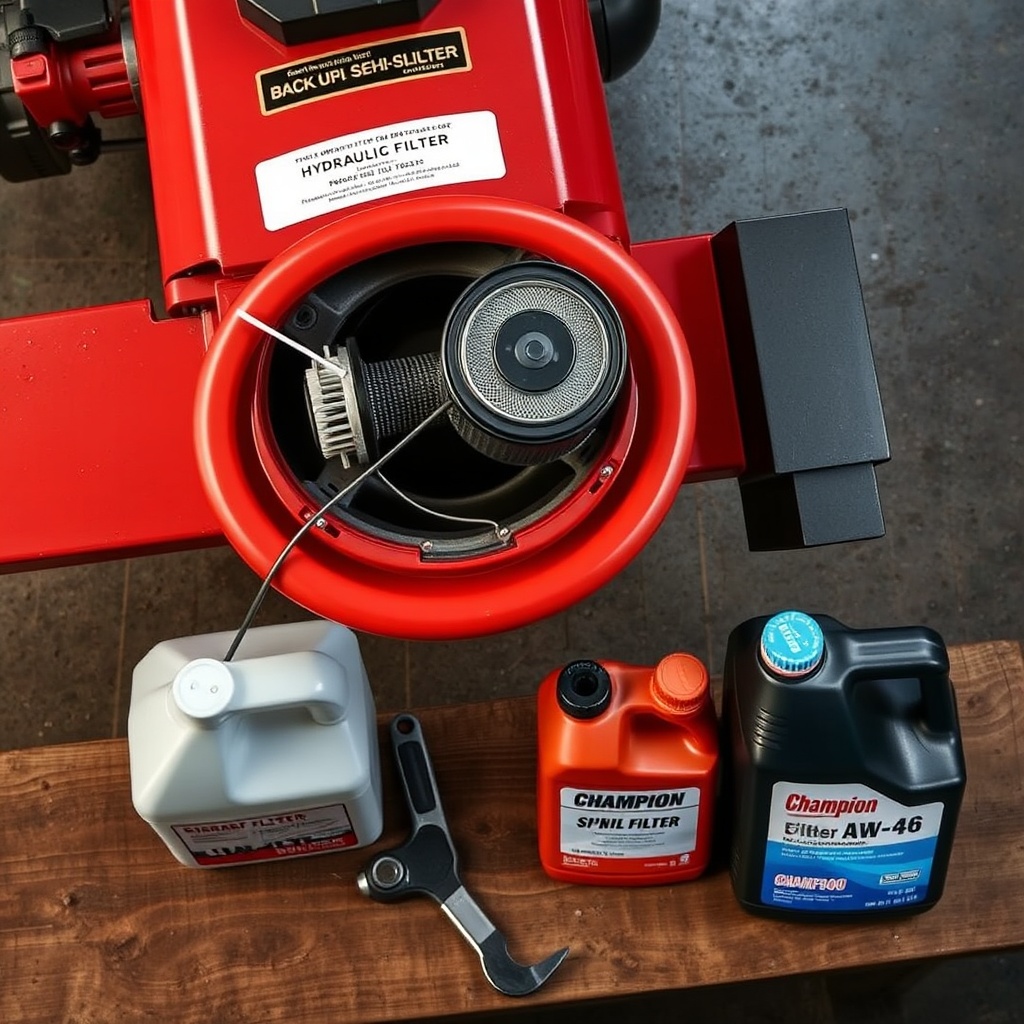
Before you get greasy, gather the right supplies. The Champion 25-Ton uses a spin-on type hydraulic filter, similar to an oil filter on a car. You’ll need the following:
- Replacement filter: Champion OEM part #PH1250 or cross-reference to Wix 51515, Napa 1515, or Donaldson P550759. Cost is around £12–£18 (€14–€21) depending on source.
- Hydraulic oil: ISO 46 or AW-46 (approximately 2–3 litres for top-off). Expect £18–£25 per 5-litre pail (€21–€29).
- Filter wrench: Adjustable or strap-style for 3.5-inch diameter filter.
- Drain pan: At least 5-litre capacity to catch leaking oil.
- Rags and safety glasses: Oil under pressure can spray.
- Nitrile gloves: To keep skin clean.
If you’re also performing other maintenance, consider combining this with the Champion 25-Ton Splitter: Fuel System Cleaning Guide for Better Performance since you’ll already have tools out.
How Do You Safely Prepare the Splitter for Filter Removal?
Safety first. The hydraulic system holds pressure even when the engine is off. Follow these steps to prevent injury and oil spills:
- Park on level ground with the wedge retracted fully. Engage the axle lock and chock the wheels.
- Allow the engine and hydraulic fluid to cool for at least 20 minutes after running. Hot oil can cause severe burns.
- Relieve system pressure: Cycle the engine off, then pull the starter rope or hit the electric start 2–3 times briefly—do not start the engine. This moves the internal gears slightly and bleeds residual pressure.
- Locate the filter. On most Champion 25-Ton models (e.g., 25-Ton Vertical/Horizontal), the filter is mounted on the left side of the pump near the hydraulic tank, protected by a steel bracket.
- Place the drain pan directly underneath. Even after pressure relief, oil will weep from the filter gasket as you loosen it.
If you’re unfamiliar with the filter location, check your owner’s manual or refer to the Champion 25-Ton Log Splitter: Proactive Maintenance Schedule to Extend Life which includes a diagram of service points.
Step-by-Step: Removing the Old Hydraulic Oil Filter
Once the splitter is prepped, removing the old filter is straightforward but requires patience to avoid damaging the filter housing threads.
- Loosen the filter by hand if possible. If it’s stuck, use a strap wrench or filter pliers. Never use a pipe wrench or pliers that could crush the filter canister.
- Turn the filter counterclockwise until it’s loose enough to spin by hand. Keep the drain pan underneath—you’ll spill 0.5–1 litre of oil.
- Slowly unscrew the filter completely and tilt it to empty remaining oil into the pan. Dispose of the old filter at a recycling centre that accepts automotive filters.
- Wipe the filter mounting surface clean with a lint-free rag. Inspect the rubber gasket from the old filter—if it remains stuck to the pump, scrape it off gently with a plastic scraper. A double gasket will cause leaks.
- Check the threads on the pump head for any galling or debris. Use a flashlight to inspect.
While the filter is off, it’s a good time to visually inspect the hydraulic pump shaft seal for drips. If you see signs of wear, address them now before reassembly.
How Do You Install the New Filter and Bleed the System?
Proper installation prevents leaks and ensures immediate oil flow.
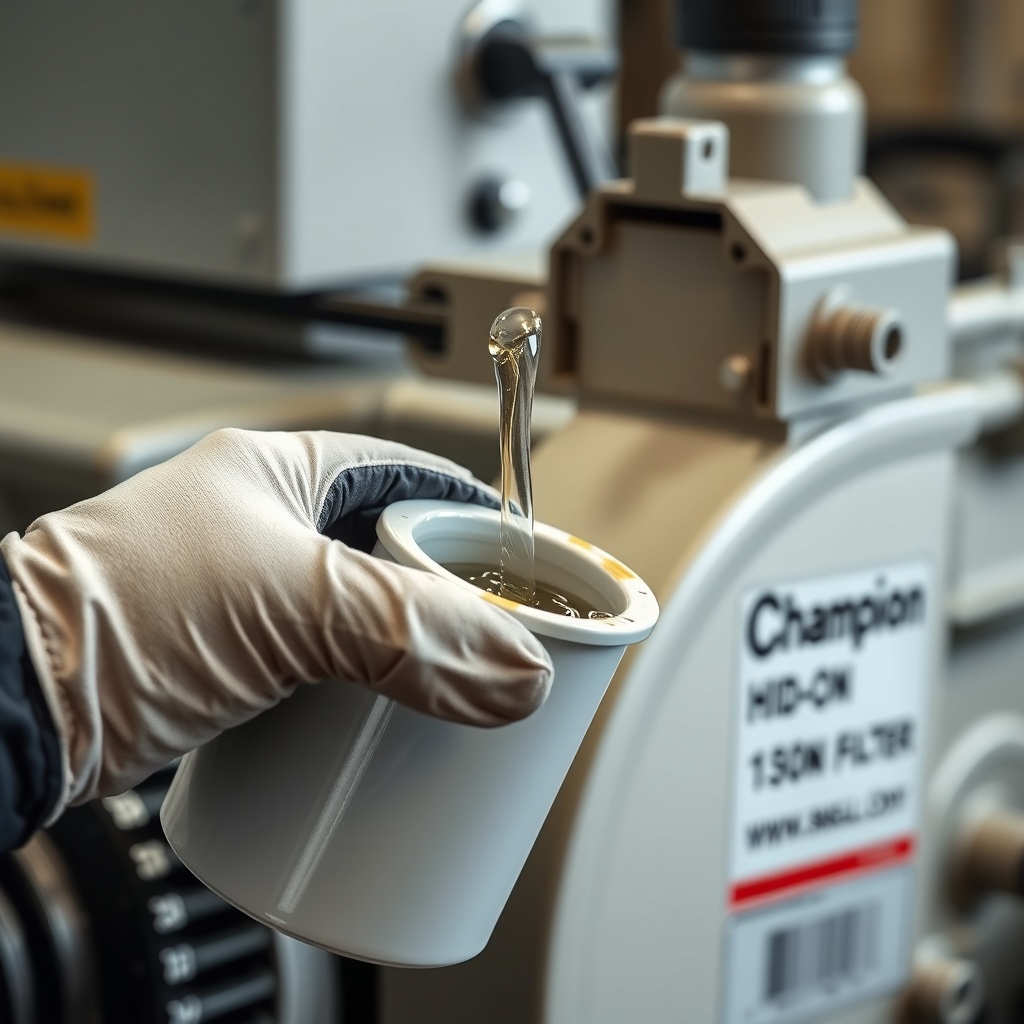
- Pre-fill the new filter with clean hydraulic oil. Pour AW-46 oil into the centre hole until the filter is about two-thirds full. This primes the filter element and prevents dry start, which can damage the pump.
- Lubricate the gasket by wiping a thin layer of oil on the rubber O-ring.
- Screw the filter onto the pump head by hand, turning clockwise until the gasket contacts the mounting surface.
- Tighten according to spec: Typically, hand-tighten plus ¾–1 full turn using the filter wrench. Do not overtighten—this distorts the gasket and may cause leaks.
- Check the hydraulic fluid level. The reservoir should be filled to the full mark on the dipstick or sight glass. Add ISO 46 oil slowly if needed.
- Bleed trapped air: With the engine off, cycle the splitter lever forward and back 5–6 times (hydraulic hand valve). This pushes air through the system back into the tank.
- Start the engine and let it idle for 30 seconds. Listen for unusual pump noise (cavitation sounds like marbles). If noisy, shut off and check oil level again.
- Cycle the ram several times at low RPM without load. Extend and retract fully. Top off oil as needed.
After completing this step, you may notice improved ram speed. If you’re still experiencing sluggish performance, consider our guide on Champion 25-Ton Splitter: How to Sharpen the Wedge for Cleaner Splits—a dull wedge can mimic hydraulic issues.
How Often Should You Replace the Filter and What’s the Cost?
Frequency depends on usage intensity. Below is a specification and severity reference table to help you schedule maintenance.
| Usage Type | Operating Hours | Recommended Filter Change Interval | Estimated Replacement Cost (£/€) |
|---|---|---|---|
| Light home use (1–2 cords/year) | 0–50 hours per year | Every 2 years | £12–£15 (€14–€17) |
| Moderate hobby-use (5–10 cords/year) | 50–150 hours per year | Annually | £12–£18 (€14–€21) |
| Heavy commercial/rental (20+ cords/year) | 150+ hours per year | Every 100 hours or 6 months | £15–£25 (€17–€29) |
| Seasonal storage (typical) | Not applicable | Before first start of season | £12–£18 (€14–€21) |
Compare filter cost to a pump replacement (£200–£350 / €230–€410). Regular changes save you money and downtime. For maximum productivity, also review the Champion 25-Ton Log Splitter: Best Accessories to Boost Productivity for tools that reduce strain on the hydraulics.
What Owners Say About the Filter Replacement Process
Champion 25-Ton owners on forums and reviews generally rate the filter replacement as a 2/10 difficulty job—easy enough for a DIYer with basic tools. Common positive feedback includes: “The filter is right there, takes 15 minutes tops,” and “I couldn’t believe how much sludge was in the old one after two seasons.”
Some owners note that the OEM filter is more expensive than generic equivalents but recommend sticking with Champion or Wix for reliability. Others caution that if you overtighten the filter, you risk stripping the aluminum pump head threads—a repair costing £50–£80 (€58–€93) for a thread repair kit. A few users mention the importance of bleeding air: “I skipped the bleeding step and my splitter sounded like a coffee grinder for five minutes—don’t skip it.”
Another recurring tip: keep the drain plug on the reservoir clean. Dust can enter when you top off oil. If you use non-detergent oil, upgrade to AW-46 for better filter life. Overall, owners agree this is a non-negotiable part of the proactive maintenance schedule.
Frequently Asked Questions
1. What type of hydraulic oil does the Champion 25-Ton splitter take?
The manufacturer recommends ISO VG 46 (AW-46) hydraulic fluid. Do not use motor oil, transmission fluid, or universal tractor fluid (UTF) unless specified. Cost per 5 litres is approximately £18–£25 (€21–€29).
2. Can I use a different brand filter, or must it be Champion brand?
You can use a quality equivalent like Wix 51515, Napa 1515, or Donaldson P550759. As long as it meets the same micron rating (typically 10 micron) and thread size (1-1/2”-12 UNF-2B), it’s safe. Champion brand is always the safest bet for warranty compliance.
3. How do I know if the filter is clogged?
Signs include slow ram extension (especially under load), the engine straining or bogging down, unusually hot hydraulic oil, and whining or knocking sounds from the pump. If your splitter struggles to split wood that it previously handled easily, suspect a clogged filter.
4. Is it necessary to change the hydraulic oil at the same time as the filter?
Not always, but it’s good practice. If the oil looks milky (water contamination) or smells burnt, drain and replace the entire 10–12 litre reservoir. If oil looks clean, simply top off after filter change. Full oil change costs about £30–£40 (€35–€47) for quality oil.
5. What happens if I run the splitter without a filter?
Never operate without a filter. Unfiltered debris will quickly score the pump’s internal surfaces, leading to loss of pressure and premature pump failure. Even a few minutes can cause irreparable damage costing £300+ (€350+) to replace.
6. Can I clean the old filter and reuse it?
No. Spin-on hydraulic filters are disposable. Cleaning them with solvent or compressed air damages the internal pleats and does not remove trapped particles. Always replace with a new, quality filter for guaranteed performance.