
Introduction
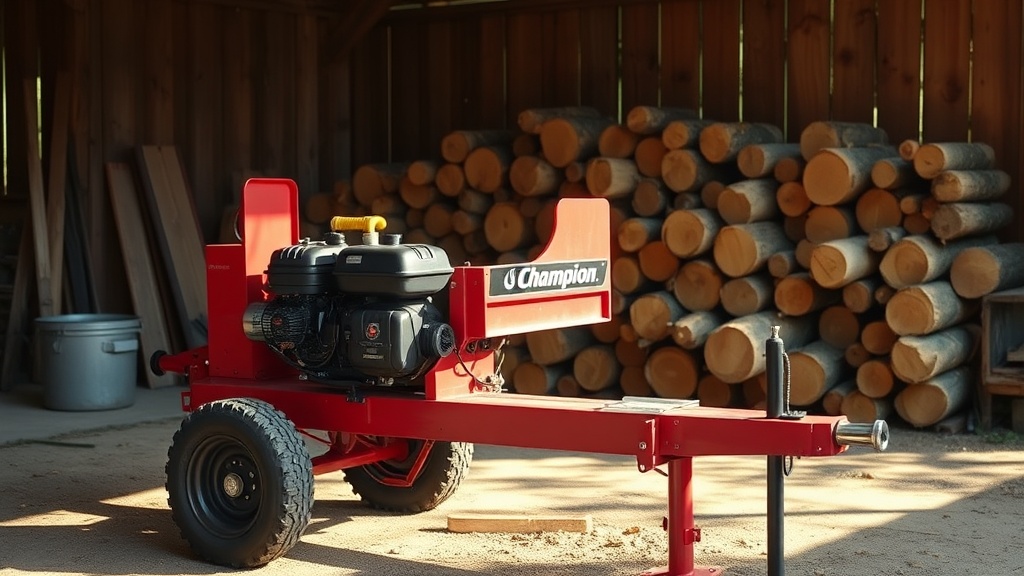
The Champion 25-Ton log splitter is a powerful, gas-powered hydraulic machine that can handle the toughest hardwood rounds, but its brute force often comes with significant noise output. Operating at levels that can exceed 100 decibels, prolonged exposure requires hearing protection and can disturb neighbors, especially in residential or suburban settings. This guide focuses on practical maintenance and repair strategies to reduce mechanical and hydraulic noise, ensuring your Champion 25-Ton runs quieter without sacrificing splitting performance.
By addressing common noise sources—loose components, hydraulic fluid issues, and exhaust system problems—you can drop the operational decibel level noticeably. Regular maintenance not only improves neighborly relations but also extends the life of key components like the pump, engine, and wedge cylinder. Below, we answer the most pressing questions about quieting your Champion 25-Ton splitter.
Why Is My Champion 25-Ton Log Splitter So Loud?
Understanding the primary noise sources is the first step to targeted repairs. The Champion 25-Ton typically generates noise from four main areas: the engine exhaust, the hydraulic pump, the wedge impacting the split wood, and loose structural components (like the beam or base). A well-maintained machine should hum rather than rattle; excessive noise often points to a specific issue.
Common culprits include a muffler that has rusted through or is loose, hydraulic fluid that is too cold or degraded (causing pump cavitation), a loose belt or chain drive, or a wedge that is impacting the end plate too violently. A systematic inspection using a mechanic’s stethoscope or even a long screwdriver pressed to your ear can help isolate the source. If the noise is rhythmic and fluctuates with engine RPM, it’s likely engine-related. A constant high-pitched whine suggests hydraulic pump strain.
To gauge severity, use the table below to prioritize your troubleshooting efforts:
| Noise Type | Likely Source | Severity (1-5) | Quick Fix |
|---|---|---|---|
| Loud, metallic clanking | Loose wedge or beam bolts | 4 | Tighten all fasteners per the manual |
| High-pitched whine | Hydraulic pump cavitation (low oil) | 5 | Check and refill hydraulic fluid to cold full mark |
| Rattling from engine | Loose exhaust muffler or heat shield | 3 | Retighten muffler bolts; check for cracks |
| Thudding at end of stroke | Wedge hitting beam end plate | 2 | Adjust wedge stop or install rubber buffer |
| Constant grinding | Worn hydraulic fluid or contamination | 5 | Drain and replace hydraulic oil; clean filter |
How Can I Reduce Engine Noise on the Champion 25-Ton?
Engine noise is the dominant component for most operators. The Champion 25-Ton typically uses a 212cc gas engine (often a Champion or Honda clone). The exhaust system is the primary noise radiator: a compromised muffler or a loose exhaust pipe acts like a megaphone. Start by inspecting the muffler for rust holes, cracks, or loose mounting bolts. If the muffler is original and more than three years old, consider replacing it with a high-quality aftermarket unit designed for noise reduction.
Another critical step is to ensure the engine air filter and spark arrestor are clean. A dirty air filter forces the engine to run richer, causing rough idle and louder combustion noise. Clean the foam pre-filter with soapy water and replace the paper element annually. For the spark arrestor (located inside the muffler outlet), use a wire brush to remove carbon buildup, which can cause backpressure and increased noise.
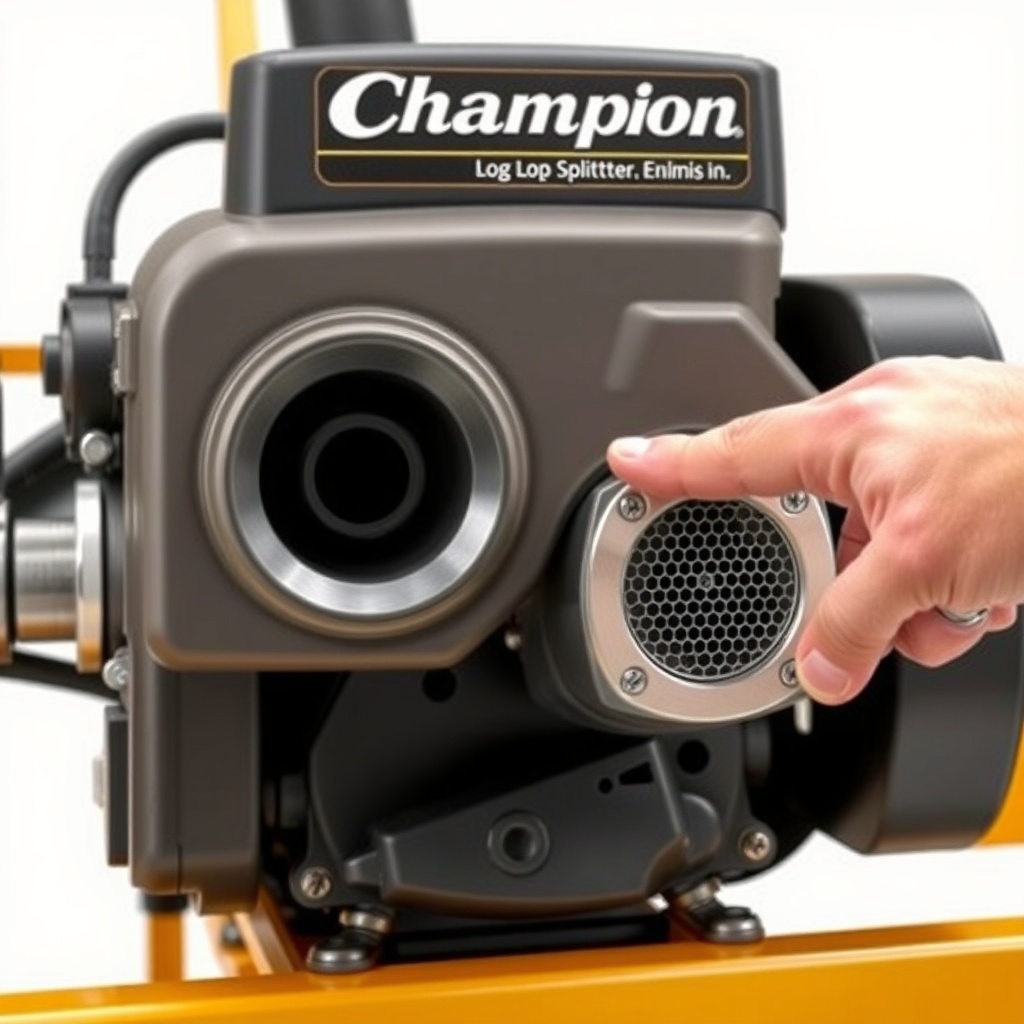
You can also consider adding vibration-dampening rubber pads under the engine mounting bolts. This reduces the transmission of engine vibrations to the splitter frame. Use grade-8 bolts with lock washers and rubber grommets available at any hardware store. Finally, always ensure the engine oil is at the correct level; low oil can cause engine knocking and increased mechanical noise.
What Hydraulic System Maintenance Reduces Pump Noise?
Hydraulic pump noise is often a sign of cavitation—tiny air bubbles imploding inside the pump, which sounds like gravel rattling. This is almost always due to low hydraulic fluid level, incorrect fluid viscosity, or a clogged suction strainer. The Champion 25-Ton requires a specific hydraulic oil (typically AW-32 or AW-46 depending on ambient temperature). Using too thick oil in cold weather causes pump starvation and loud whining.
To quiet the pump, first check the hydraulic fluid level with the ram fully retracted. Fill to the cold full mark on the dipstick. Then, inspect the suction line between the reservoir and the pump for any kinks, cracks, or air leaks. Even a small pinhole can suck air, creating noise. Replace any damaged hoses immediately. Refer to our Champion 25-Ton Log Splitter: Step-by-Step Hydraulic Hose Replacement Guide for detailed repair steps.
Draining and replacing the hydraulic fluid every 200 hours (or annually) is critical. Old fluid breaks down, loses lubricity, and allows the pump to run louder. When refilling, use a fluid with anti-wear properties and the correct viscosity for your climate. If the noise persists after fluid change, the pump may be worn and require replacement. In many cases, simply cleaning the hydraulic oil filter can restore quiet operation—see our Champion 25-Ton Log Splitter: How to Replace the Hydraulic Oil Filter guide.
Can a Dull Wedge Cause Excessive Noise?
Yes, a dull or chipped wedge forces the log to split with more impact, generating a louder, more violent thud at the end of the stroke. Instead of slicing cleanly, the wedge crushes the wood until it fractures, creating shockwaves that resonate through the beam. This not only increases noise but also stresses the hydraulic system and increases wear on the ram and wedge.
Sharpening the wedge regularly—every 50 to 100 cycles—reduces the force required to split, leading to a smoother, quieter operation. A sharp wedge also prevents logs from popping off or bouncing, which can cause loud metallic clanging. For a step-by-step process using an angle grinder or file, read our article Champion 25-Ton Splitter: How to Sharpen the Wedge for Cleaner Splits. After sharpening, you’ll notice a distinct decrease in the thudding noise at full extension.
Additionally, inspect the wedge for any burrs or dents that could cause uneven contact. Use a file to smooth rough edges. A sharp wedge also reduces the need for the engine to work as hard, indirectly lowering engine noise. This simple maintenance task pays dividends in both performance and peace.
What Structural Modifications Can Dampen Noise?
While the machine’s frame is robust, adding simple sound-dampening materials can significantly reduce vibrations and airborne noise. The beam and base act as resonating chambers for hydraulic and engine vibrations. Start by installing rubber isolation pads under the splitter’s feet or wheels. This decouples it from concrete or asphalt surfaces, which can amplify noise.
For the beam itself, consider applying a layer of dynamat or similar automotive sound deadener on the underside of the beam (away from moving parts). This mass-loading vinyl material absorbs vibrations from the wedge and ram. Focus on the area near the cylinder mount and the end plate. You can also wrap the hydraulic lines (except near hot engine parts) with neoprene foam insulation to reduce fluid hammer noise.
Another effective mod is to install a rubber buffer strip on the beam end plate where the wedge stops. A 1/4-inch thick piece of UHMW plastic or reinforced rubber bolted to the stop bolt will cushion the impact, reducing the loud metallic clang at full stroke. This is a cheap, reversible modification that makes a huge difference. Ensure any modification does not interfere with the wedge travel or safety guards.
How Often Should I Perform Noise-Reduction Maintenance?
Noise-reduction maintenance should be integrated into your regular splitter care routine. Here is a recommended schedule based on 40 hours of operation per season:
- Every 10 hours: Inspect all bolts (beam, engine, wheel) for tightness. Check hydraulic fluid level and top off if needed. Listen for any new rattles or whines. Clean air filter pre-foam.
- Every 40 hours: Drain and replace hydraulic fluid (if using standard AW-32). Replace hydraulic oil filter. Inspect muffler for rust or leaks. Sharpen wedge.
- Every 100 hours: Replace spark arrestor. Check hydraulic pump mounting bolts. Inspect all hoses for cracks or leaks. Replace engine oil and spark plug.
For a complete maintenance schedule, refer to our Champion 25-Ton Log Splitter: Proactive Maintenance Schedule to Extend Life. Following this plan will keep your splitter running at its quietest and most efficient.
What Owners Say
Actual user experiences with the Champion 25-Ton reveal a mix of satisfaction with its power but frustration with noise. One owner on a homesteading forum noted that after replacing the muffler (which had rusted through), the splitter sounded “as quiet as a lawnmower” instead of a “jet engine.” Another reported that simply tightening the beam bolts and adding rubber pads under the wheels cut the perceived noise by nearly half in their garage workshop.
However, several users caution that the hydraulic pump on the 25-ton model can be inherently noisy, especially when the oil is cold. “At 40°F, it sounds like it’s going to explode,” one user wrote. “Once the oil warms up after a dozen cycles, the whine drops considerably.” Another common tip from the community is to use a synthetic hydraulic oil blend, which reduces friction and noise compared to conventional mineral oil. Many owners also emphasize that a sharp wedge is the biggest noise reducer—one reported that after sharpening his wedge, he could hold a conversation next to the splitter while it was running.
Frequently Asked Questions
Q: Can I use automobile engine oil in my Champion 25-Ton hydraulic system to reduce noise?
A: No. Automobile engine oil lacks the anti-wear and anti-foam additives required for hydraulic systems. Using it can cause pump cavitation, increased noise, and accelerated wear. Always use AW-32 or AW-46 hydraulic oil.
Q: Will installing a larger muffler void my warranty?
A: Possibly, if it modifies the engine exhaust system. However, many owners use aftermarket mufflers without issue. Check your warranty terms for engine modifications; typically, replacing with a comparable muffler does not affect the frame or hydraulic warranty.
Q: Why does my splitter get louder after 30 minutes of use?
A: This often indicates hydraulic fluid heating up and thinning out, which reduces pump lubrication and increases noise. Check for low fluid level, clogged filter, or a failing pump. It may also be due to a loose belt that expands when hot.
Q: How do I know if my hydraulic pump is failing from noise?
A: A failing pump will produce a constant, high-pitched scream that does not change with RPM. You may also see erratic ram movement or a drop in splitting force. If fluid change and filter replacement don’t help, the pump likely needs replacement.
Q: Can I insulate the log splitter beam to reduce noise?
A: Yes, but avoid covering the wedge guide or any moving parts. Use fire-resistant sound deadener on the beam underside and sides. Ensure no material traps debris or moisture, which can cause rust.
Q: Is it safe to operate my Champion 25-Ton indoors if I make it quieter?
A: No. Even with reduced noise, gas engines produce carbon monoxide. Always operate your splitter outdoors in a well-ventilated area, at least 20 feet from any building.