
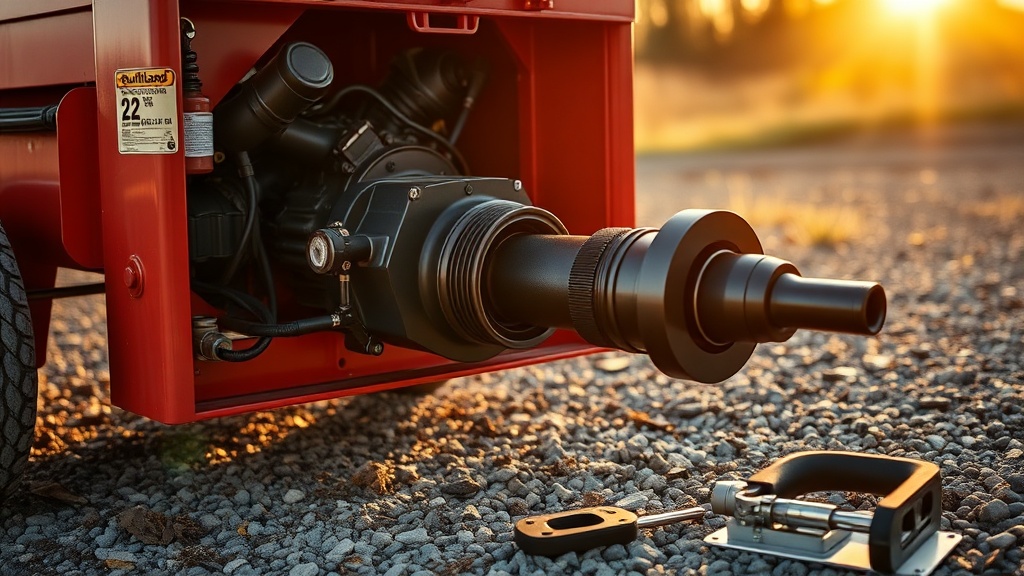
How to Replace Hydraulic Seals on Southland 22-Ton Splitter
Replacing hydraulic seals on a Southland 22-Ton log splitter is a manageable repair that can save you hundreds of dollars in shop labor. Over time, seals wear out due to heat, pressure, and contamination, leading to sluggish ram operation or visible oil leaks. This guide walks you through the process step by step, with specific details for the Southland 22-Ton model.
What Tools and Parts Do I Need for a Southland 22-Ton Seal Replacement?
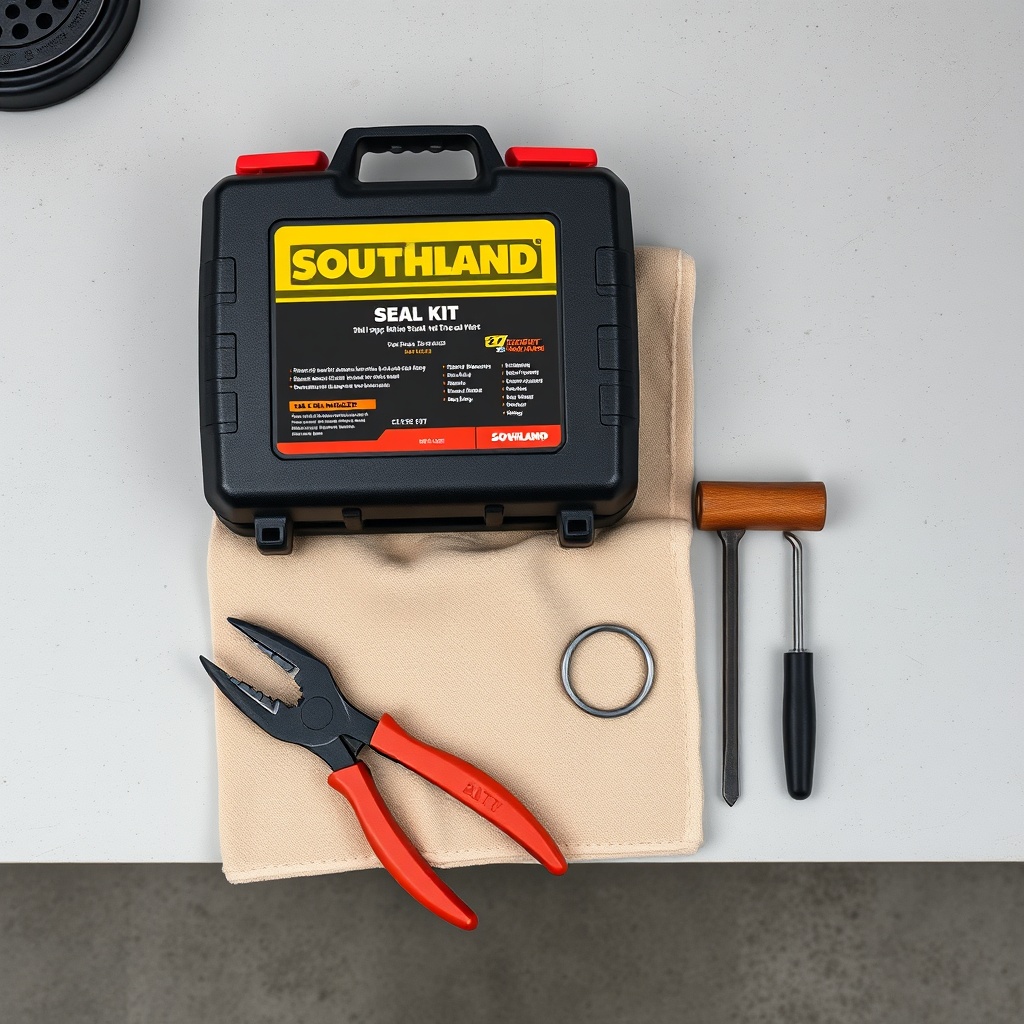
Before starting, gather these essentials. The Southland 22-Ton uses a standard 4-inch bore cylinder, so common seal kits fit, but double-check your serial number. You’ll need a Southland-compatible seal kit (around $25–$40 from Amazon or Tractor Supply), a snap ring pliers set with straight tips, a soft-faced mallet, a pick set for old seals, and a vice or cylinder repair stand. Also have a 5-gallon bucket for draining fluid and clean rags. Hydraulic fluid (ISO 32 or AW 32) costs about $15–$20 per gallon—you’ll need roughly 4 gallons to refill after reassembly.
How Do I Drain the Hydraulic Fluid Safely?
Safety first: never work on a pressurized system. Place the splitter on level ground, lower the wedge fully, and disconnect the spark plug (if gas) or battery (if electric). Locate the drain plug on the hydraulic tank—it’s a hex bolt at the bottom rear on Southland 22-Ton models. Place a bucket underneath and remove the plug. Let all fluid drain; expect about 3.5–4 gallons. While draining, inspect the fluid for metal shavings or dark color—this indicates internal wear beyond seals. If you see metal, consider a full cylinder refurbishment rather than just seals.
How to Disassemble the Cylinder on a Southland 22-Ton Splitter
Start by removing the hydraulic lines. Use two wrenches to avoid twisting the fittings; the Southland 22-Ton uses 1/2-inch JIC fittings. Cap the lines immediately with clean plugs to keep debris out. Then, unbolt the cylinder from the splitter frame—typically two 5/8-inch bolts at the base and two at the piston eye. Slide the cylinder off carefully; it weighs about 35 pounds. Place it in a vice with soft jaws, gripping the barrel near the gland end.
Remove the snap ring that holds the gland in place using your snap ring pliers. Tap the gland lightly with a soft mallet to loosen it, then pull it out by hand. Slide the piston rod out of the barrel. You’ll see the old seals: a wiper seal on the gland, a rod seal inside the gland, and a piston seal at the end of the rod. Some Southland 22-Ton models also have a buffer seal—check your kit.
| Wear Level | Recommended Action |
|---|---|
| Minor seepage (pinhole leaks) Small puddles under the splitter after use |
Monitor next 5–10 hours; replace at next scheduled maintenance if leakage worsens |
| Constant dripping or slow ram drift Oil visible on rod or cylinder barrel during operation |
Replace seals within 2–3 sessions to avoid pump damage from air ingestion |
| Sudden fluid spray or ram chatter Erratic log splitting with pressure drops |
Immediate seal replacement; system may already have contamination |
How Do I Remove Old Seals Without Damaging the Grooves?
Use a pick set to carefully pry out each old seal. Work from the outside in; for the piston seal, slide it off the rod end. Be gentle—scratches in the seal grooves will cause new seals to fail quickly. If a seal is stuck, apply a little WD-40 and wait 5 minutes. Clean every groove with a plastic brush and brake cleaner. Inspect the rod for scoring or rust: if you feel any roughness with your fingernail, the rod needs polishing with 400-grit sandpaper or replacement. The Southland 22-Ton rod is 1.5 inches in diameter—replacement rods cost around $60.
How to Install New Seals on the Southland 22-Ton Cylinder
Lubricate all new seals with fresh hydraulic fluid before installation. For the piston seal, slide it over the rod and into its groove—use a seal installation tool or a plastic zip tie to stretch it evenly. The rod seal and wiper go into the gland; press them in with your thumbs, then seat them fully with a socket slightly smaller than the gland bore. This prevents twisting—common cause of premature failure. Install the backup rings if your kit includes them; they’re usually on the rod seal side. Reassemble by sliding the rod back into the barrel, then pressing the gland in flush. Replace the snap ring and tap it into its groove with the mallet.
What Owners Say
Owners of the Southland 22-Ton splitter often note that the process is similar to other splitter repairs but with a few quirks. One user reported that the snap ring is stiffer than expected and recommends having a heavy-duty pair of snap ring pliers. Another owner mentioned that the seal kit from a major retailer didn’t include a backup ring, so they had to order a separate kit directly from Southland. Many agree that the job takes about 2–3 hours for a first-timer, and the results—no leaks and smoother ram movement—make it worthwhile.
Frequently Asked Questions
How long do Southland 22-Ton hydraulic seals typically last?
With proper maintenance and clean fluid, seals last 200–400 hours of operation. Operating in dusty or humid conditions reduces life to 100–200 hours. Regular fluid changes every 100 hours help extend seal life.
Can I use a universal seal kit instead of Southland-specific?
Yes, but only if the kit matches your cylinder bore (4 inches), rod diameter (1.5 inches), and seal profile. Universal kits often lack backup rings or have slightly different wiper shapes; you may need to adjust. Prioritize Southland-compatible kits for guaranteed fit.
Do I need to replace the hydraulic fluid after seal replacement?
Absolutely—drain and replace all fluid. Old fluid contains debris that will quickly wear new seals. Use ISO 32 or AW 32 hydraulic fluid; the Southland 22-Ton holds about 4 gallons. Recycle the old fluid at an auto parts store.
How do I test the new seals before reassembling the splitter?
Once reassembled, reinstall the cylinder on the splitter, reconnect lines, and fill the tank. Run the splitter for 3–5 cycles without a log—listen for hissing or chattering. Then perform a full-force cycle against a large hardwood log; check for leaks at the rod and lines.
What if my Southland 22-Ton has a bent cylinder rod?
A bent rod causes rapid seal failure and dangerous operation. Visual inspection will show wobble; you can also roll the rod on a flat surface. Replace the rod (about $60) or the entire cylinder ($120–$150). Do not attempt to straighten a bent rod—it will crack or compromise seals.
Can I replace seals without removing the cylinder?
No—the cylinder must be removed to access the gland and piston seals. Attempting to work in place risks damaging the rod and making the job harder. Remove the cylinder as described; the extra 15 minutes saves hours of frustration.