How Does the Champion 25-Ton Perform in Vertical vs. Horizontal Splitting?
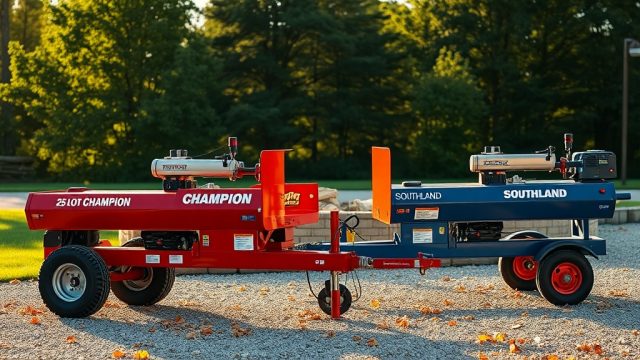
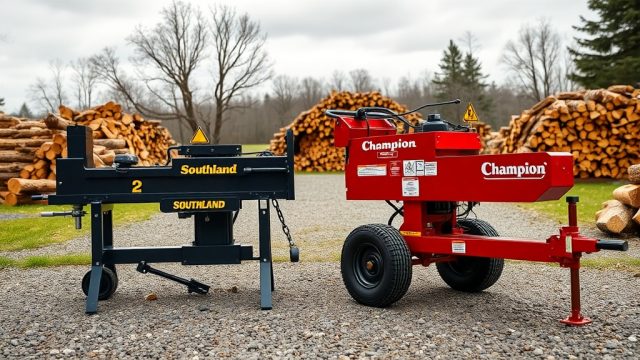
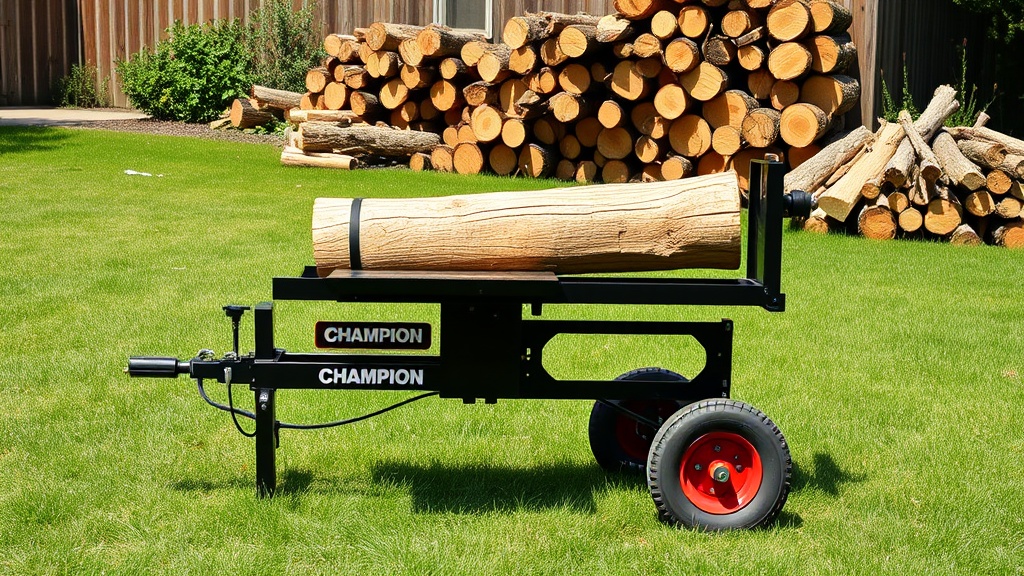
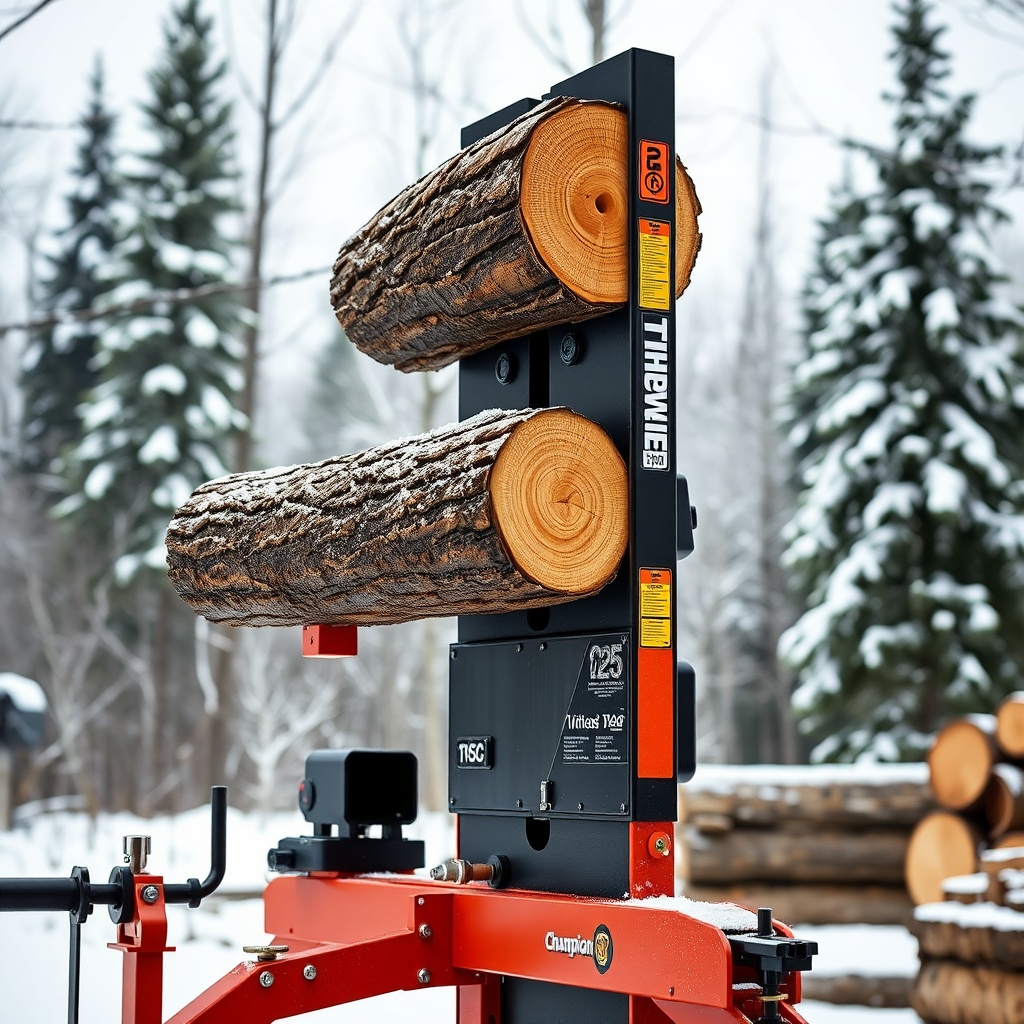
The Champion 25-Ton log splitter offers dual operation modes—vertical and horizontal—which gives users flexibility based on log size, weight, and working preference. In horizontal mode, the splitter sits low to the ground, requiring you to lift logs onto the beam. This is ideal for smaller, lighter rounds you can handle without strain. Vertical mode stands the splitter upright, letting you roll heavy logs onto the splitting wedge without lifting, making it the go-to for large, split-resistant hardwood rounds. Performance-wise, both modes deliver the same 25 tons of ram force and cycle times, but the ergonomic difference heavily influences which mode you’ll choose for daily use. The vertical mode reduces back strain, while horizontal offers a stable, lower work surface for smaller splits.
What Are the Key Specs That Determine Splitting Ease in Each Mode?
To understand why the Champion 25-Ton excels in vertical mode, you need to look at its specifications. The engine is a 196cc Champion OHV engine, which provides smooth power and reliable starting, even in cold conditions. The hydraulic pump delivers 11 GPM at 2,500 PSI, generating the 25 tons of splitting force. The cycle time is around 13 seconds (forward and return), which is standard for this class. The beam length is 24 inches, accepting logs up to 24 inches long in horizontal mode and up to 25 inches long in vertical mode. The splitting wedge is hardened steel, and the log cradle design ensures logs stay centered for clean splits. The weight is approximately 255 pounds, making it stable in vertical mode when splitting large rounds.
| Specification | Horizontal Mode | Vertical Mode |
|---|---|---|
| Max Log Length | 24 inches | 25 inches |
| Weight Without Log | 255 lbs (stable) | 255 lbs (stable with base) |
| Ram Force | 25 tons (same) | 25 tons (same) |
| Cycle Time | 13 seconds | 13 seconds |
| Hydraulic Oil Capacity | 3.4 quarts | 3.4 quarts |
| Engine Power | 196cc (same) | 196cc (same) |
| Ideal Log Weight | Under 40 lbs | Over 40 lbs |
As the table shows, the Champion 25-Ton Log Splitter: Vertical vs Horizontal Splitting Performance hinges on log weight rather than raw force. The engine and hydraulic system are identical, so performance is consistent. The vertical mode shines when you’re handling large diameter rounds like oak or elm that are heavy and awkward. Horizontal mode is best for lighter, smaller logs where you want to work at a lower height. The Champion 25-Ton Log Splitter: How to Change Hydraulic Oil guide explains that maintaining the hydraulic oil level is critical in both modes—vertical mode can strain the pump if oil is low due to gravity pulling fluid away from the pump inlet.
Does Vertical Mode Reduce Physical Strain When Splitting Large Logs?
Yes, vertical mode is the clear winner for reducing back strain. When splitting large logs—say, 24-inch diameter oak rounds—lifting them onto a horizontal beam is not only difficult but risky for your lower back. In vertical mode, you simply roll the log into position on the beam base, then pivot the splitter upright. The wedge stays in place, and the log is already aligned. This eliminates heavy lifts of 80 to 120 pounds. The 25-ton force then splits the log horizontally, while the operator stands upright. Many owners report that vertical mode lets them split for longer sessions without fatigue. However, you must ensure the splitter is on level ground and stable before engaging the ram in vertical mode, as the center of gravity shifts.
For safety, always use the two-hand controls in vertical mode and never reach over the beam. The Champion 25-Ton Splitter: Essential Safety Tips for Beginners article emphasizes that vertical mode has a higher tip-over risk if the log is unevenly positioned. Always block the wheels and extend the support legs fully.
How Does the Hydraulic System Handle Varying Log Types in Both Modes?
The Champion 25-Ton uses a two-stage hydraulic pump that adjusts flow and pressure based on resistance. For softwoods like pine, the ram cycles quickly in horizontal mode. For dense hardwoods like hickory or black locust, the pump shifts to high-pressure mode, delivering the full 25 tons in both vertical and horizontal orientations. The auto-return feature is useful in horizontal mode because it returns the ram without you having to hold the lever. In vertical mode, the return is still automatic, but the operator must keep hands clear. The system can handle stringy or knotted wood, though you may need to rotate the log for a cleaner split. The reservoir holds 3.4 quarts of 10W hydraulic fluid, and cold weather can thicken the oil, slowing cycle times. For winter operation, check the Champion 25-Ton Log Splitter: Cold Weather Starting and Performance Tips guide for recommended fluid viscosity and warm-up procedures.
What Do Owners Say About Choosing Between Vertical and Horizontal?
Owner feedback consistently highlights practicality over raw specs. Many users on forums and review sites note that the Champion 25-Ton’s vertical mode is “a game-changer for wood heat.” One owner splits oak logs up to 24 inches in diameter and says vertical mode cuts splitting time in half because he can roll logs without a helper. Another owner uses horizontal mode exclusively for splitting smaller logs for kindling and campfires, finding it easier to stack splits directly into a wheelbarrow. However, some owners report that the vertical mode can be slightly less stable on uneven ground—the splitter can wobble if the legs aren’t fully extended or if logs are too short (under 12 inches). The consensus is that the vertical mode is best for large rounds, horizontal for smaller work. A few owners also mention that the 25-ton force is more than enough for most North American hardwoods, and they rarely stall the ram. The engine starts reliably in warm weather but may require a few extra pulls in cold temperatures. Some owners recommend upgrading to a larger log cradle for vertical mode to prevent logs from shifting. Overall, the Champion 25-Ton earns high marks for versatility, and the dual-mode design is often cited as the main purchase reason.
How Does Vertical vs. Horizontal Affect Portability and Storage?
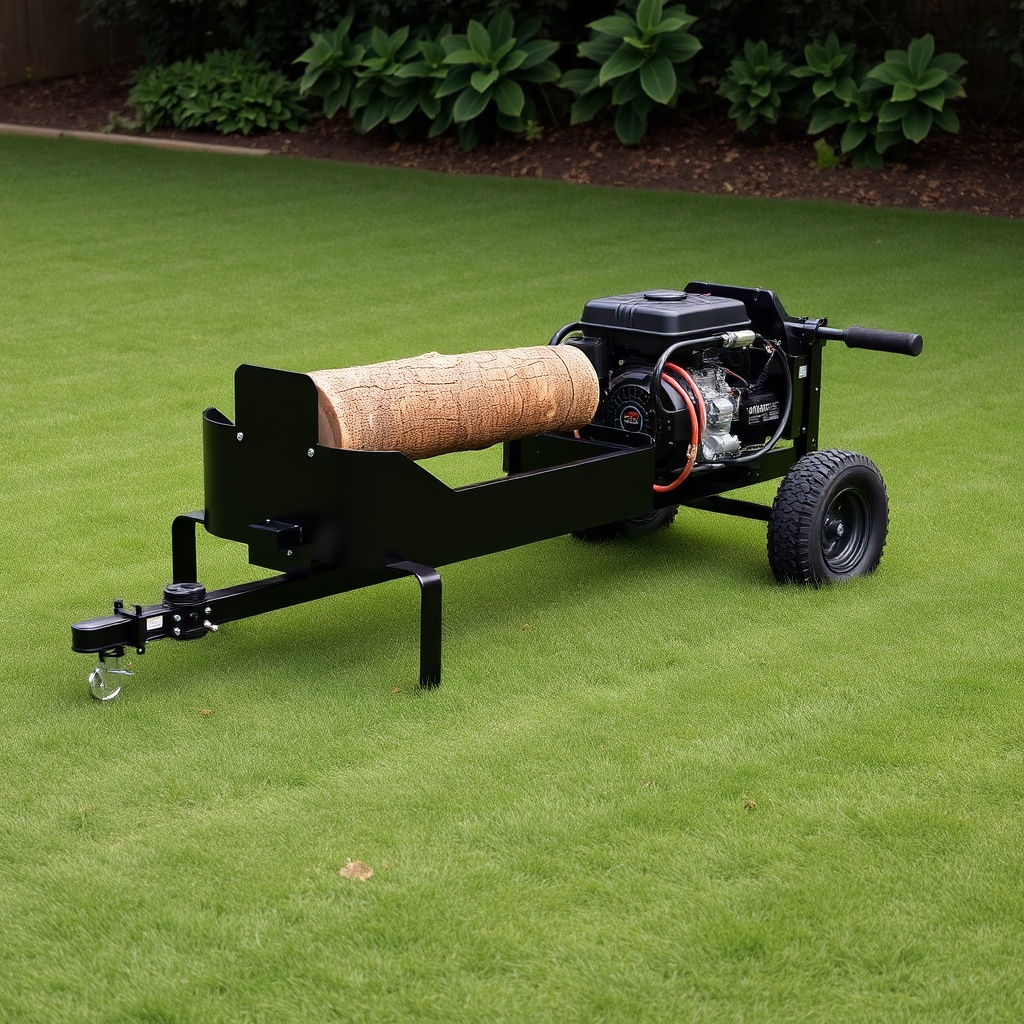
The Champion 25-Ton is not lightweight at 255 pounds, but its dual-mode design affects how you move and store it. In horizontal mode, the splitter sits on its wheel kit and tow tongue, making it easy to move around a yard or driveway. The wheels are 12-inch pneumatic tires, which roll over rough terrain reasonably well. When you need to use vertical mode, you rotate the splitter upright, which shifts the weight to the base plate. This reduces portability—you can’t roll it easily in vertical mode—so you should position the splitter near your woodpile before flipping it. Storage is simpler in horizontal mode because it takes up less height, fitting under a tarp or in a shed. Vertical mode requires more headroom, so it’s less suited for indoor storage. Some owners store the splitter horizontally and only flip it vertical when splitting large logs. The towing tongue is standard, and the unit can be towed at low speeds, but check local laws.
Frequently Asked Questions
Can the Champion 25-Ton splitter be used exclusively in vertical mode?
Yes, you can leave it in vertical mode for days if you prefer, but the engine and pump are designed for both orientations. Long-term vertical storage may cause the hydraulic fluid to settle away from the pump inlet, potentially causing cavitation on startup. It’s better to store it horizontally.
Which mode is safer for someone with back issues?
Vertical mode is safer because you avoid lifting heavy logs. You only need to roll them into position. However, always use the two-hand controls and ensure the splitter is on firm, level ground to prevent tipping.
How many tons does the Champion 25-Ton actually deliver?
It delivers 25 tons of splitting force at the wedge, measured by the hydraulic system pressure (2,500 PSI) times the cylinder area. This is enough to split most hardwood rounds up to 24 inches in diameter.
Does the vertical mode work for logs shorter than 12 inches?
Yes, but shorter logs can shift in the cradle. Use a smaller wedge attachment or place a piece of scrap wood behind the log to keep it stable. Some owners built a custom log stop for vertical mode.
What is the cycle time in vertical vs. horizontal mode?
Cycle time is identical—approximately 13 seconds for full extension and retraction—because the hydraulic system and engine speed are unchanged regardless of orientation.
Is the Champion 25-Ton worth the price compared to a horizontal-only splitter?
Yes for users who split a mix of large and small logs. The vertical mode adds about $100 to $150 to the cost, but it eliminates back strain from heavy lifting. Current retail price is around $1,499 in the US (USD). For solely small logs, a horizontal-only splitter may be sufficient.